Primary cells are cells directly isolated from fresh tissues with no modifications. These cells are cultured in vitro to mimic the in vivo conditions and present their natural physiology. Therefore, primary cells are typically used for the research of normal physiology and biochemistry of cells, drug discovery and development, and toxic assay. However, they can be maintained only for a finite time in vitro, and the physiology may change over cell passaging. Freshly isolated and early-passaged primary cells are recommended for your research. Ascent Research supports commonly used primary cells such as epithelial cells, endothelial cells, microvascular endothelial cells, muscle cells, fibroblasts, adipocytes, keratinocytes, immune cells, mesenchymal cells, pericytes, neurons, glial cells, isolated from organs and tissues such as brain, heart, breast, liver, ear, etc.
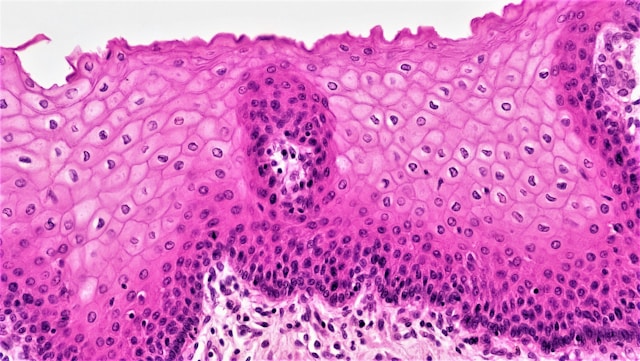
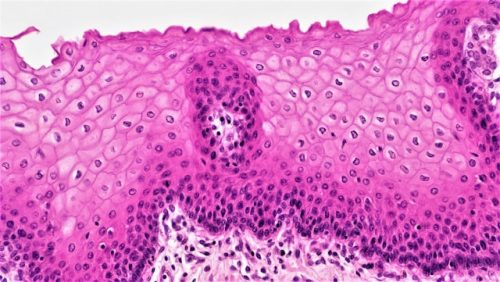
Epithelial cells are specialized cells that form the epithelium, a protective and functional barrier which covers the surfaces of the body and its internal organs. These cells vary in shape, such as squamous (flat), cuboidal (cube-shaped), and columnar (tall). They can be arranged in different layers depending on their function. Epithelial cells play key roles in absorption, secretion, sensation, and protection.
Endothelial cells are derived from the mesoderm, and form the endothelium, a simple squamous, epithelium-like lining of blood and lymphatic vessels. They play essential roles in vascular biology, including regulation of blood flow, exchange of nutrients and gases, inflammation, angiogenesis, and maintenance of hemostasis.
Microvascular Endothelial Cells line the smallest blood vessels, such as capillaries, arterioles, and venules, regulating microcirculatory function.
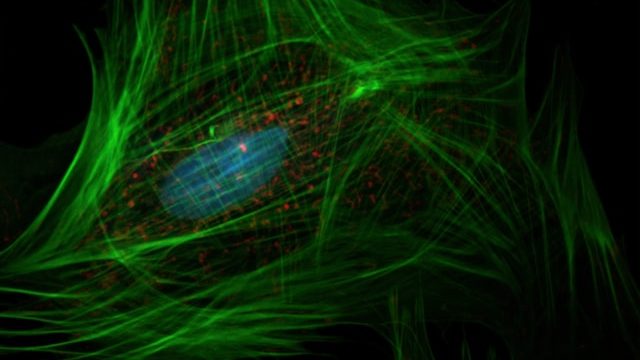
Fibroblasts are elongated, spindle-shaped cells found in connective tissue throughout the body. They can produce the extracellular matrix (ECM), which is essential for structure support and maintenance of the framework of various tissues and organs. Therefore, fibroblasts are crucial for the wound healing and tissue repairing.
They are primary type of cell found in the epidermis (skin), and key to protection against environment damage and initiation of body’s immune response.
Immune cells are multiple types of cells working together to protect the body from pathogens and other threats, such as cancer. Most common immune cells include lymphocytes (T cells, B cells, and NK cells), and myeloid cells (neutrophils, eosinophils, basophils, mast cells, monocytes, macrophages, and dendritic cells).
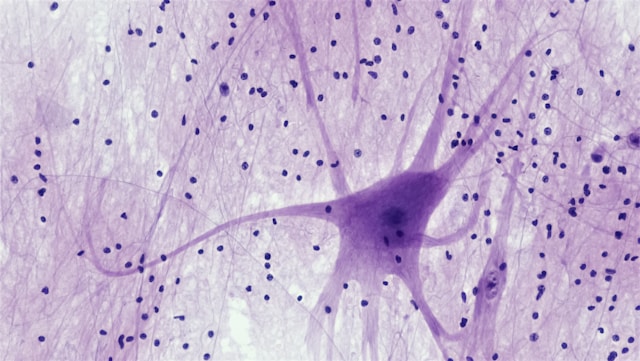
Neurons, also known as nerve cells, are the fundamental unit of the nervous system. They are responsible for the signal transmitting.
Ascent ResearchTM offers a wide variety of cells, and some are not be listed here. For more details, please visit our website www.ascentresearch.com. If you have specific requirements for cell type and properties, please contact us at info@ascentresearch.com.
Primary cells are directly isolated from fresh tissues, cultured in vitro to mimic the in vivo conditions and present natural physiology.
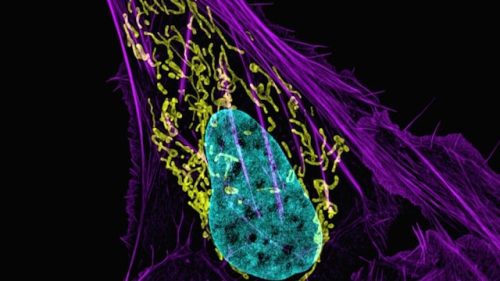
Cell lines for oncology, or cancer cell lines, are immortal cells derived from cancerous (tumor) tissues. They are used in cancer research.
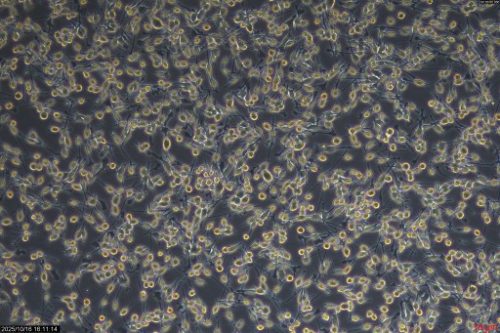
Immortalized cells are passaged or genetically modified primary cells to proliferate indefinitely in vitro.


PCR assay ensures contamination-free research

Swift and dependable shipping to get your orders on time

Affordable solutions without compromising quality

Professional 24/7 support from experienced specialists

