Introduction
Understanding ALS Through Cell-Based Research
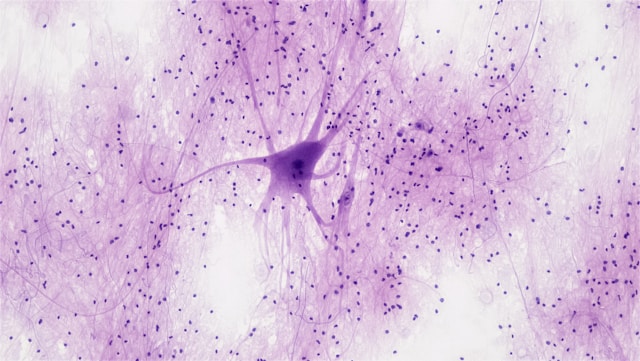
Amyotrophic lateral sclerosis (ALS) is a fatal neurodegenerative disorder of the human motor system.
It is characterized by the selective and progressive degeneration of upper motor neurons in the motor
cortex and lower motor neurons in the brainstem and anterior horn of the spinal cord. Loss of upper motor
neurons commonly leads to spasticity, hyperreflexia, and impaired voluntary motor control, whereas
degeneration of lower motor neurons is associated with muscle weakness, fasciculations, muscle wasting,
and eventual paralysis. Clinically, ALS often begins with focal muscle weakness or twitching in an arm or
leg, difficulty swallowing, or slurred speech. As the disease progresses, it increasingly affects movement,
speech, swallowing, nutrition, and respiration.
The etiology of ALS remains incompletely understood, and no curative treatment is currently available.
In ALS, progressive motor neuron degeneration weakens or disrupts the transmission of nerve signals to
skeletal muscles. As a result, affected muscles lose neural stimulation, become progressively weaker,
undergo atrophy, and eventually fail to function properly. Approximately 10% of ALS cases are familial,
many of which are associated with pathogenic mutations in genes involved in neuronal function, RNA
processing, protein homeostasis, oxidative stress, or axonal maintenance. However, most ALS cases are
sporadic, and the mechanisms driving disease onset and progression remain poorly defined. Despite
extensive research, current clinical management remains limited. Existing therapies primarily aim to slow
disease progression, modestly extend survival, preserve function, manage symptoms, and improve quality of
life, but they generally do not reverse neuronal loss once motor neurons have degenerated.
ALS research increasingly relies on cell-based models to study both motor neuron-intrinsic degeneration
and non-cell-autonomous mechanisms involving glial cells, skeletal muscle, peripheral nerve support cells,
and vascular barrier components. These models help researchers investigate disease mechanisms, evaluate
pathway-specific responses, and develop experimental systems for preclinical discovery.