Quick Order Cart

Neuroscience

Neuroscience and Nervous System Research

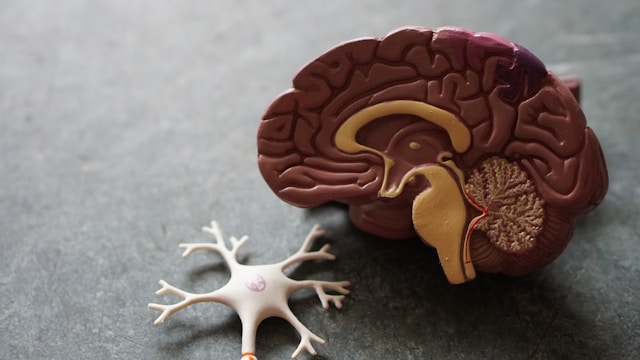
Neuroscience is the study of the nervous system and the cellular, molecular, and physiological mechanisms that support neural function. Research in this field investigates how different subdivisions of the nervous system develop, communicate, respond to injury, and contribute to neurological disease.

The nervous system is commonly divided into two major subdivisions: the central nervous system (CNS) and the peripheral nervous system (PNS). The CNS, composed of the brain and spinal cord, functions as the body’s primary processing center, receiving, integrating, and responding to sensory information while generating motor output to coordinate behavior and maintain homeostasis.

The PNS includes neural structures outside the CNS, including cranial nerves, spinal nerves, peripheral ganglia, and nerve endings. These structures connect the CNS with peripheral organs such as muscles, glands, and sensory tissues. Ganglia are clusters of neuronal cell bodies located outside the CNS and are essential for relaying sensory, autonomic, and motor information.

Neuroscience cell models for nervous system research
CNS Models Neurons, astrocytes, microglia, oligodendrocytes
PNS Models Schwann cells, sensory neurons, ganglion-associated cells
Research Focus Neurodegeneration, neuroinflammation, BBB, nerve injury

Major Cell Types in the Nervous System

The nervous system is composed of highly specialized cell populations that work together to transmit signals, maintain tissue homeostasis, support myelination, regulate immune responses, and coordinate repair after injury.

Neurons

Neurons are electrically excitable cells responsible for receiving, processing, and transmitting information through electrical impulses and chemical synapses. They are the core signaling units of the nervous system and can be broadly classified into sensory neurons, motor neurons, and interneurons.

In research, neurons are commonly used to study synaptic transmission, neurodevelopment, neurotoxicity, axonal degeneration, electrophysiology, pain signaling, and neurodegenerative disease mechanisms.

Glial Cell Types

Glial cells are non-neuronal cells that support, protect, and regulate neuronal function. Rather than serving only as passive support cells, glial cells actively participate in synaptic regulation, metabolic support, myelination, immune surveillance, extracellular homeostasis, and tissue repair.

Glial cells differ between the CNS and PNS, reflecting the distinct structural and functional requirements of each nervous system compartment.

Glial Cells in the CNS

Major CNS glial cell types include astrocytes, oligodendrocytes, microglia, and ependymal cells. These cells are involved in extracellular homeostasis, myelination, immune surveillance, cerebrospinal fluid homeostasis, and neuron-glia communication.

Glial Cells in the PNS

Major PNS glial cell types include Schwann cells, satellite glial cells, enteric glial cells, and other specialized peripheral glial populations. These cells support peripheral axons, ganglia, nerve regeneration, pain signaling, and gut-neural interactions.

Neuroscience Research Applications

Neuroscience cell models are used to investigate disease mechanisms, neural development, glial activation, neurovascular function, and therapeutic response across a wide range of CNS and PNS research areas.

Neurodegenerative Disease Modeling

Neurons, astrocytes, microglia, oligodendrocytes, and disease-relevant engineered models can support studies of Alzheimer’s disease, Parkinson’s disease, ALS, Huntington’s disease, and related neurodegenerative conditions.

Neuroinflammation and Glial Activation

Microglia and astrocytes are widely used to study inflammatory signaling, cytokine release, immune surveillance, phagocytosis, and glial activation in CNS disease models.

Peripheral Nerve Injury and Regeneration

Schwann cells, sensory neurons, and peripheral nerve-related models are useful for studying axonal injury, myelination, remyelination, neuropathy, and repair-associated signaling pathways.

Blood-Brain Barrier Research

Brain microvascular endothelial cells, astrocytes, and pericytes can be used to evaluate barrier integrity, permeability, neuroinflammatory responses, and drug transport.

Neurotoxicity and Drug Screening

Neural and glial cell models can support in vitro assays for cytotoxicity, mitochondrial stress, oxidative damage, neurite outgrowth, and compound response.

Neuro-oncology Research

Glioma, neuroblastoma, and other nervous system tumor models can be used to study tumor growth, invasion, signaling pathways, therapy resistance, and tumor microenvironment interactions.

Amyotrophic Lateral Sclerosis Research

ALS is a progressive neurodegenerative disease involving motor neuron dysfunction and degeneration. Disease-relevant cell models can support studies of motor neuron injury, glial activation, neuroinflammation, oxidative stress, axonal degeneration, and neuron-glia interactions.

Explore our dedicated ALS research resource to learn more about relevant cell types, disease mechanisms, and model selection considerations for ALS-related studies.

Cell Models for Neuroscience Research

Selecting the right neuroscience cell model depends on species, tissue source, disease relevance, growth characteristics, assay format, and the level of physiological relevance required for the experiment.

Primary Neural Cells

Primary neural cells provide physiologically relevant models for studying tissue-specific cell behavior, disease mechanisms, and native cell-cell interactions.

  • Primary neurons
  • Astrocytes
  • Microglia
  • Schwann cells

Immortalized Cell Lines

Immortalized neural and glial cell lines provide scalable and reproducible models for routine experiments, assay development, and pathway studies.

  • Immortalized astrocytes
  • Microglia-like models
  • Schwann cell models
  • Neural progenitor models

Engineered Cell Models

Gene knockout, overexpression, and reporter cell models can support mechanistic studies and pathway-specific readouts in neuroscience research.

  • Knockout cell lines
  • Overexpression cell lines
  • Luciferase reporters
  • Fluorescent reporters

Co-culture Models

Co-culture systems can better represent neuron-glia communication, neuroinflammation, myelination, BBB function, and disease-associated microenvironment changes.

  • Neuron-astrocyte co-culture
  • Neuron-microglia co-culture
  • Schwann cell-neuron co-culture
  • BBB co-culture models

Summary of Nervous System Cell Types

The table below summarizes major nervous system cell types, their primary functions, common tissue locations, and related research areas.

Cell Type Main Function Existing in Organ / Tissue Related Diseases / Research Areas
Neurons Receive, process, and transmit electrical and chemical signals Brain, spinal cord, peripheral nerves, ganglia Alzheimer’s disease, Parkinson’s disease, ALS, epilepsy, neuropathy, pain research
Astrocytes Maintain extracellular homeostasis, support synapses, regulate neurotransmitters, contribute to BBB support Brain and spinal cord Neuroinflammation, gliosis, ALS, Alzheimer’s disease, stroke, glioma microenvironment
Oligodendrocytes Form myelin sheaths around CNS axons Brain and spinal cord white matter Multiple sclerosis, leukodystrophy, demyelination, remyelination research
Microglia CNS immune surveillance, inflammatory signaling, phagocytosis, synaptic pruning Brain and spinal cord Neuroinflammation, Alzheimer’s disease, Parkinson’s disease, ALS, traumatic brain injury
Ependymal Cells Line ventricles and central canal; contribute to cerebrospinal fluid homeostasis Brain ventricles and spinal cord central canal Hydrocephalus, ependymoma, CSF-related research
Schwann Cells Myelinate and support peripheral axons; participate in nerve repair Peripheral nerves, cranial nerves, spinal nerves Peripheral neuropathy, nerve injury, Charcot-Marie-Tooth disease, schwannoma
Satellite Glial Cells Support neuronal cell bodies in peripheral ganglia and regulate the local microenvironment Dorsal root ganglia, autonomic ganglia, sensory ganglia Chronic pain, sensory neuropathy, ganglion biology
Enteric Glial Cells Support enteric neurons and regulate gut-neural interactions Enteric nervous system of the gastrointestinal tract Gut motility disorders, neuroimmune interaction, enteric neuropathy
Neural Stem / Progenitor Cells Differentiate into neural lineages and support neurodevelopmental studies Developing CNS and neural stem cell niches Neurodevelopment, regeneration, disease modeling, differentiation studies
Brain Microvascular Endothelial Cells Form the endothelial component of the blood-brain barrier Brain capillaries and neurovascular unit BBB permeability, neuroinflammation, drug transport, stroke research
Pericytes Support vascular stability and blood-brain barrier integrity CNS microvasculature BBB dysfunction, vascular dementia, stroke, neurovascular disease

How to Choose a Neuroscience Cell Model

Different experimental goals require different model systems. The following guide can help researchers select suitable cell models based on their research question.

Native neuronal signaling or axonal degeneration Primary neurons or neuron-like differentiated models
Neuroinflammation Microglia, astrocytes, or neuron-glia co-culture models
Myelination or demyelination Oligodendrocytes for CNS studies; Schwann cells for PNS studies
Peripheral nerve injury Schwann cells, sensory neurons, and DRG-related models
BBB permeability or neurovascular response Brain microvascular endothelial cells, astrocytes, pericytes, or BBB co-culture models
Scalable pathway or screening assays Immortalized neural cell lines or engineered reporter cell models

Explore Cell Models for Neuroscience Research

Ascent Research provides cell models and related reagents to support neuroscience and nervous system research, including primary cells, immortalized cell lines, engineered cell models, reporter cell lines, and culture reagents for neural, glial, neurovascular, and disease-related studies.

Need a cell model not currently listed? Contact us for sourcing support and product availability.

Frequently Asked Questions

What is the difference between the CNS and PNS?

The central nervous system includes the brain and spinal cord, while the peripheral nervous system includes nerves, ganglia, and neural structures outside the CNS. The CNS acts as the main processing center, while the PNS connects the CNS with peripheral tissues and organs.

Are glial cells only found in the CNS?

No. Glial cells are found in both the CNS and PNS. CNS glial cells include astrocytes, oligodendrocytes, microglia, and ependymal cells. PNS glial cells include Schwann cells, satellite glial cells, and enteric glial cells.

Which cell types are commonly used in neurodegeneration research?

Neurons, astrocytes, microglia, oligodendrocytes, and disease-relevant engineered cell models are commonly used to investigate neurodegenerative mechanisms such as oxidative stress, protein aggregation, mitochondrial dysfunction, neuroinflammation, and neuronal loss.

Which cell models are useful for blood-brain barrier research?

Brain microvascular endothelial cells, astrocytes, pericytes, and BBB co-culture models are commonly used to study barrier integrity, permeability, neuroinflammation, and drug transport across the blood-brain barrier.

Are these products intended for clinical use?

No. Ascent Research cell models and related reagents are intended for research use only and are not intended for diagnostic, therapeutic, or clinical applications.

Reset Password

    Reach Us Questions? Click Me Here!

    Fill out the form below and a member of our team will contact you shortly!

    *Required field


    Referee Details Discounts will be issued to both accounts after manual review!

      🎁 Refer & Earn · Rewards for You & Your Friends

      ✨ Your Referral Link