Quick Order Cart

Cat. No. ARG32857

ADARB1 Knockout HT29 Polyclonal Cells

  • Product Type:

    Polyclonal Cell Population

  • Species:

    Homo sapiens (Human)

The ADARB1 Knockout HT29 Polyclonal Cells are a CRISPR/Cas9-edited polyclonal knockout cell population that disrupts the adenosine deaminase ADARB1 in the HT29 human colorectal adenocarcinoma cell line. This model is designed for loss-of-function investigation of A-to-I RNA editing in colorectal cancer, with direct applications in tumor biology and innate immune signaling studies. ADARB1 catalyzes adenosine-to-inosine deamination in critical transcripts such as GRIA2 and HTR2C; it is upregulated by type I interferons and interacts with ADAR1 and PKR. Typical uses include RNA sequencing and Sanger sequencing to characterize editing changes, drug-response screens, and mechanistic studies of interferon pathway crosstalk in cancer progression.

Inquire Now

In stock

Ships next business day


Ask a Question

Shipping Info:

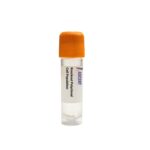
Cryopreserved in vials and shipped on dry ice


Disclaimer:

For Research Use Only

  • Characteristics

    Host Cell

    HT29

    Gene Name

    ADARB1

    Gene Identifier

    NCBI Gene ID 104

    Storage

    Liquid nitrogen (LN2)

  • Culture Conditions

    Growth medium

    McCoy's 5A

    Supplement(s)

    10% Fetal Bovine Serum, 1% Penicillin-Streptomycin Solution

    Temperature

    37°C

    Atmosphere

    5% COâ‚‚

  • Quality Control

    Sterility testing

    The bacterial, yeast, and fungi are not detected in these cells by daily monitor.

    Mycoplasma testing

    Negative for mycoplasma through PCR analysis

  • Disclaimer

    Intended Use

    This product is intended for laboratory in vitro use only. It is not intended for diagnostic, therapeutic, or clinical applications.

    Disclaimer

    Ascent Research endeavors to provide accurate and up-to-date product information. However, no warranties or representations are made regarding its completeness or reliability. References to scientific literature and patents are for informational purposes only, and the customer assumes sole responsibility for verifying their accuracy.

    By accepting this product, the customer acknowledges and agrees to assume all risks associated with its receipt, handling, storage, disposal, and use, including compliance with all applicable safety and environmental regulations and precautions. Relevant laws, regulations, and ethical guidelines must be followed in conducting any research, modifications, or derivatives derived from this product.

    This product is provided "AS IS", and except as expressly stated herein, Ascent Research disclaims all other warranties, express or implied. Under no circumstances shall Ascent Research, its affiliates, or representatives be liable for indirect, incidental, consequential, or punitive damages arising from the use of this material. While Ascent Research employs rigorous quality control measures, we shall not be held responsible for damages resulting from misidentification or misinterpretation of the provided materials.

Description

ADARB1 Knockout HT29 Polyclonal Cells are a CRISPR/Cas9-edited polyclonal knockout cell population designed for loss-of-function studies of the ADARB1 gene in a human colorectal adenocarcinoma background. This heterogeneous cell pool contains diverse ADARB1 disruptions, providing a robust and representative model that minimizes clonal artifacts while preserving the functional diversity inherent in polyclonal editing outcomes.

The HT29 host cell line is an epithelial colorectal adenocarcinoma model isolated from a primary tumor. It carries an inactivating APC mutation leading to constitutive Wnt/??-catenin signaling, a hallmark of colorectal tumorigenesis. HT29 is extensively used to investigate cancer cell proliferation, differentiation, and drug responses, making it a relevant platform to study the role of RNA editing in colorectal cancer.

ADARB1 encodes an adenosine deaminase that catalyzes site-selective A-to-I editing in dsRNA, which can result in amino acid recoding. The best-characterized target is GRIA2 (GluA2), where editing at the Q/R site changes a glutamine codon to arginine, altering calcium permeability of AMPA receptors. ADARB1 also edits HTR2C, FLNA, and COPA, thereby modulating neurotransmitter signaling and cytoskeletal organization. The enzyme is induced by type I interferons (IFN-??/??) through STAT factors and interacts with ADAR1, PKR (EIF2AK2), and PACT. Functionally, ADARB1 intersects with innate immune signaling via MDA5/MAVS/NF-??B, suggesting a role in buffering dsRNA-driven inflammatory responses.

In the HT29 colorectal cancer context, ADARB1 knockout may uncover editing-dependent regulatory mechanisms that influence tumor behavior. Loss of A-to-I editing could perturb cell adhesion, alter responses to interferon, or modify the activity of key oncogenic pathways. This model is particularly useful for dissecting how RNA editing shapes the interplay between cancer cells and the innate immune system, potentially revealing vulnerabilities that can be therapeutically exploited.

Researchers can employ this polyclonal knockout pool in a wide array of assays, including RNA-seq and Sanger sequencing to profile editing changes, RT-qPCR to measure transcript levels, and Western blotting or immunofluorescence for protein detection. Functional investigations may utilize MTT proliferation assays, colony formation assays, migration and invasion assays, and apoptosis assays to assess impacts on growth and metastasis. The model is also well-suited for screening drug responses tied to editing status and for analyzing the crosstalk between interferon signaling and RNA editing. For additional information or custom project inquiries, please contact Ascent Research.


Reset Password

    Reach Us Questions? Click Me Here!

    Fill out the form below and a member of our team will contact you shortly!

    *Required field


      Reach Us

      Fill out the form below and a member of our team will contact you shortly!

      *Required field

      Product Inquiry (Optional)