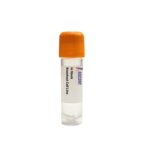
The ANGPT1 Knockout CAL-27 Cell Line is a CRISPR/Cas9-edited human cell line engineered for targeted disruption of the ANGPT1 gene. This gene encodes angiopoietin-1, a secreted glycoprotein that functions as a major ligand for the Tie2 (TEK) receptor tyrosine kinase. The knockout model abolishes angiopoietin-1 expression, providing a clean loss-of-function system for dissecting its roles in tumor biology. Supplied as a ready-to-use cell line, it is suitable for mechanistic studies in cancer and vascular biology.
CAL-27 cells originate from a metastatic lymph node of a patient with tongue squamous cell carcinoma, a highly invasive oral cancer. This cell line is extensively used to model key aspects of tumor progression, including epithelial-to-mesenchymal transition, migration, and invasion. CAL-27 cells retain aggressive phenotypic traits, such as rapid proliferation and enhanced motility, making them a robust platform for studying metastatic mechanisms. Their genetic background and tumorigenic properties render them particularly relevant for investigations into head and neck cancer pathobiology.
Angiopoietin-1 predominantly signals through Tie2, activating downstream PI3K-AKT and MAPK pathways. Key mediators include AKT1, MAPK1/3 (ERK2/1), and the catalytic subunit PIK3CA. Expression of ANGPT1 is regulated by upstream factors such as HIF1A, VEGF-A, TGFB1, and FGF2. Angiopoietin-1 also functionally interacts with integrin ??v??3 and cooperates with VEGF-A to modulate endothelial stability. In the knockout, loss of angiopoietin-1 disrupts Tie2-mediated signaling, thereby impairing AKT and ERK activation.
In CAL-27 cells, endogenously produced angiopoietin-1 may act in an autocrine or paracrine manner to promote tumor cell survival, migration, and crosstalk with the microenvironment. Ablation of ANGPT1 is expected to attenuate these processes, offering a valuable model for studying the tumor-intrinsic functions of angiopoietin-1. This system enables separation of cancer cell-autonomous effects from endothelial-dependent activities, facilitating the dissection of signaling networks that drive oral squamous cell carcinoma progression.
Researchers can employ this cell line in a variety of assays. Western blot and RT-qPCR confirm ANGPT1 knockout at the protein and mRNA levels. Functional readouts include Transwell migration and Matrigel invasion assays to assess metastatic potential. Co-culture with HUVECs in tube formation assays evaluates tumor-endothelial interactions. Transcriptomic analysis via RNA-seq reveals global gene expression changes upon ANGPT1 loss. The line serves as a powerful tool for investigating oral cancer angiogenesis, metastasis, and drug resistance. For detailed product information, contact Ascent Research.