Quick Order Cart

Cat. No. ARG0855

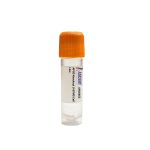
APOD Knockout U-87MG Cell Line

  • Product Type:

    Genome-edited Cells

  • Gene Species:

    Homo sapiens (Human)

The APOD Knockout U-87MG Cell Line offers a precise CRISPR/Cas9-edited knockout of apolipoprotein D in the human glioblastoma cell line U-87MG, which carries EGFR amplification and a PTEN mutation. This model is suited for dissecting APOD's contributions to lipid transport, retinoid metabolism, and antioxidant responses in an aggressive brain tumor context. APOD associates with HDL particles to shuttle cholesterol and retinoic acid, engaging receptors LRP1 and SR-B1 to regulate AKT and MAPK signaling and BCL2-mediated survival. Applications include lipid uptake assays, viability and apoptosis analyses, and oxidative stress measurements, supporting research in glioblastoma biology, neuroprotection, and cancer therapeutic development.

Inquire Now

In stock

Ships next business day


Ask a Question

Shipping Info:

Cryopreserved in vials and shipped on dry ice


Disclaimer:

For Research Use Only

  • Characteristics

    Host Cell

    U-87MG

    Gene Name

    APOD

    Gene Alias

    Apolipoprotein D

    Gene Species

    Homo sapiens (Human)

    Gene Identifier

    NCBI Gene ID 347

    Gene Family

    Apolipoprotein family

  • Culture Conditions

    Temperature

    37°C

    Atmosphere

    5% COâ‚‚

  • Quality Control

    Sterility testing

    Daily monitoring confirms that the cells are free from bacterial, yeast, and fungal contamination.

    Mycoplasma testing

    Negative for mycoplasma through PCR analysis

    Pathogens

    Cells tested negative for HIV-1, HBV, and HCV.

  • Disclaimer

    Intended Use

    This product is intended for laboratory in vitro use only. It is not intended for diagnostic, therapeutic, or clinical applications.

    Disclaimer

    Ascent Research endeavors to provide accurate and up-to-date product information. However, no warranties or representations are made regarding its completeness or reliability. References to scientific literature and patents are for informational purposes only, and the customer assumes sole responsibility for verifying their accuracy.

    By accepting this product, the customer acknowledges and agrees to assume all risks associated with its receipt, handling, storage, disposal, and use, including compliance with all applicable safety and environmental regulations and precautions. Relevant laws, regulations, and ethical guidelines must be followed in conducting any research, modifications, or derivatives derived from this product.

    This product is provided "AS IS", and except as expressly stated herein, Ascent Research disclaims all other warranties, express or implied. Under no circumstances shall Ascent Research, its affiliates, or representatives be liable for indirect, incidental, consequential, or punitive damages arising from the use of this material. While Ascent Research employs rigorous quality control measures, we shall not be held responsible for damages resulting from misidentification or misinterpretation of the provided materials.

Description

The APOD Knockout U-87MG Cell Line is a CRISPR/Cas9-edited knockout cell line with targeted disruption of the apolipoprotein D (APOD) gene in the human glioblastoma U-87MG background. This loss-of-function model enables investigation of APOD-dependent lipid transport, neuroprotection, and antioxidant regulation. By eliminating APOD expression, the cell line serves as a vital tool for dissecting molecular mechanisms in glioblastoma and related cancers.

U-87MG cells, derived from malignant glioma, harbor EGFR amplification and PTEN mutation, characteristics that drive aberrant proliferation and survival signaling. As a widely employed in vitro model for glioblastoma multiforme, U-87MG provides a physiologically relevant context for studying tumor biology, metabolic reprogramming, and therapeutic resistance under well-defined experimental conditions.

APOD is a lipid-binding glycoprotein that associates with HDL particles to mediate transport of cholesterol, retinoic acid, and arachidonic acid. Its expression is governed by upstream regulators such as glucocorticoid receptor, estrogen receptor, NF-??B, and HIF1A, and it interacts with receptors LRP1 and SR-B1. Downstream, APOD modulates AKT and MAPK pathways, influences BCL2 family members, and supports antioxidant enzymes like SOD1, thereby controlling cell survival and oxidative stress responses.

Disrupting APOD in U-87MG cells perturbs HDL-mediated lipid homeostasis, diminishes antioxidant defenses, and alters signaling through AKT and MAPK cascades. Given the cell line??s intrinsic EGFR and PTEN alterations, this model is particularly suited for examining how APOD loss impacts glioblastoma cell proliferation, apoptosis, and stress adaptation, with potential translational relevance to breast and prostate cancers where APOD is also implicated.

The cell line supports applications including western blotting, RT-qPCR, lipid uptake assays, MTT viability tests, annexin V apoptosis assays, migration/invasion studies, and ROS measurements. Researchers can thus explore APOD??s role in glioma lipid metabolism, neuroprotection, oxidative stress, and target validation. For additional technical details, researchers are encouraged to contact Ascent Research.


Reset Password

    Reach Us Questions? Click Me Here!

    Fill out the form below and a member of our team will contact you shortly!

    *Required field


      Reach Us

      Fill out the form below and a member of our team will contact you shortly!

      *Required field

      Product Inquiry (Optional)