Security Notice: Please be aware of impersonation attempts using our company name
Legitimate communications from Ascent Research will only come from official @ascentresearch.com email addresses.
Quick Order Cart

Cat. No. ARG0292

B2M Knockout HEK293 Cell Line

  • Product Type:

    Genome-edited Cells

  • Disease:

    Normal

  • Gene Species:

    Homo sapiens (Human)

The B2M Knockout HEK293 Cell Line is a CRISPR/Cas9-edited knockout cell line designed to disrupt beta-2-microglobulin (B2M) in human HEK293 cells. This loss-of-function model eliminates MHC class I surface expression, abrogating CD8+ T cell recognition and providing a defined system to study immune evasion and allogeneic response mechanisms. HEK293 cells, transformed with adenovirus 5 DNA, are a standard host for recombinant protein production. B2M interacts with HLA-A/B/C heavy chains, TAP, and tapasin to mediate antigen presentation. Applications include universal donor cell engineering, non-immunogenic protein production, and T cell cytotoxicity assays.

Inquire Now

In stock

Ships next business day


Ask a Question

Shipping Info:

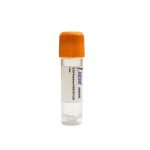
Cryopreserved in vials and shipped on dry ice


Disclaimer:

For Research Use Only

  • Characteristics

    Host Cell

    HEK293

    Age

    Fetus

    Gene Name

    B2M

    Gene Alias

    Beta-2-microglobulin; IMD43; AMYLD6; MHC1D4

    Gene Species

    Homo sapiens (Human)

    Gene Identifier

    NCBI Gene ID 567

    Gene Family

    MHC class I family

  • Culture Conditions

    Temperature

    37°C

    Atmosphere

    5% CO₂

  • Quality Control

    Sterility testing

    Daily monitoring confirms that the cells are free from bacterial, yeast, and fungal contamination.

    Mycoplasma testing

    Negative for mycoplasma through PCR analysis

    Pathogens

    Cells tested negative for HIV-1, HBV, and HCV.

  • Disclaimer

    Intended Use

    This product is intended for laboratory in vitro use only. lt is not intended for diagnostic, therapeutic, or clinical applications.

    Disclaimer

    Ascent Research endeavors to provide accurate and up-to-date product information. However, no warranties or representations are made regarding its completeness or reliability. References to scientific literature and patents are for informational purposes only, and the customer assumes sole responsibility for verifying their accuracy.

    By accepting this product, the customer acknowledges and agrees to assume all risks associated with its receipt, handling, storage, disposal, and use, including compliance with all applicable safety and environmental regulations and precautions. Relevant laws, regulations, and ethical guidelines must be followed in conducting any research, modifications, or derivatives derived from this product.

    This product is provided "AS IS", and except as expressly stated herein, Ascent Research disclaims all other warranties, express or implied. Under no circumstances shall Ascent Research, its affiliates, or representatives be liable for indirect, incidental, consequential, or punitive damages arising from the use of this material. While Ascent Research employs rigorous quality control measures, we shall not be held responsible for damages resulting from misidentification or misinterpretation of the provided materials.

Description

The B2M Knockout HEK293 Cell Line is a CRISPR/Cas9-edited knockout cell line engineered to disrupt the B2M gene in Homo sapiens HEK293 cells. This loss-of-function model provides a precisely defined genetic background for dissecting beta-2-microglobulin-dependent processes, particularly the assembly and surface presentation of major histocompatibility complex (MHC) class I molecules. By abrogating B2M expression, this cell line serves as a powerful tool for investigating antigen presentation, immune recognition, and the molecular mechanisms of immune evasion.

The host cell line, HEK293, is a human embryonic kidney cell line transformed with sheared adenovirus 5 DNA, exhibiting an adherent epithelial morphology. Widely employed for high-level recombinant protein expression and viral vector production, HEK293 cells offer a robust and well-characterized platform for genetic manipulation. Their extensive use in biotechnology and biomedical research ensures that the B2M knockout model integrates seamlessly into established workflows for protein engineering, viral vector development, and immunological assays.

Beta-2-microglobulin (B2M) functions as the invariant light chain of MHC class I molecules, essential for stabilizing heavy chains (HLA-A, HLA-B, and HLA-C) and facilitating peptide loading in the endoplasmic reticulum. The MHC class I assembly complex comprises B2M, heavy chain, transporter associated with antigen processing (TAP), tapasin, calreticulin, and ERp57, enabling efficient presentation of endogenous peptides at the cell surface. Transcription of B2M is activated by upstream signals such as interferon-gamma (IFN-??), NF-??B, CIITA, and STAT1. Downstream, peptide-MHC class I complexes engage CD8+ T cells, triggering adaptive immune responses. In this knockout cell line, disruption of B2M prevents MHC class I complex formation, eliminating surface presentation and abrogating recognition by cytotoxic T lymphocytes.

The combination of B2M knockout and the HEK293 host background generates a cell system with reduced immunogenicity, as the absence of MHC class I surface expression circumvents allogeneic CD8+ T cell-mediated rejection. This engineered line thus represents an ideal starting point for producing non-immunogenic therapeutic proteins and for constructing universal donor cells that evade host immune surveillance. Moreover, the well-characterized HEK293 transcriptome and proteome provide a clean context for studying how B2M loss influences global gene expression and protein interaction networks without confounding factors present in immune-lineage cells.

Researchers can employ this B2M Knockout HEK293 Cell Line to investigate immune evasion mechanisms exploited by cancer cells, to validate T cell recognition and cytotoxicity assays, and to develop strategies for autoimmune disease modeling. Typical experimental approaches include flow cytometric analysis of MHC class I surface expression, western blotting for B2M protein, RT-qPCR for B2M mRNA quantification, and co-immunoprecipitation of MHC class I assembly components. The line also supports functional studies of CD8+ T cell activation and killing, providing a versatile platform for immunological and cell engineering research. For further information or to request a quote, please contact Ascent Research.


Reset Password

    Reach Us Questions? Click Me Here!

    Fill out the form below and a member of our team will contact you shortly!

    *Required field


      Reach Us

      Fill out the form below and a member of our team will contact you shortly!

      *Required field

      Product Inquiry (Optional)