Quick Order Cart

Cat. No. ARG0014

Irf7 Knockout 3LL Cell Line

  • Product Type:

    Genome-edited Cells

  • Tissue Source:

    Lung

  • Disease:

    Malignant tumor

  • Gene Species:

    Mus musculus (Mouse)

Irf7 Knockout 3LL is a CRISPR/Cas9-edited mouse Lewis lung carcinoma cell line with disruption of the master interferon regulator Irf7. In 3LL tumor cells, IRF7 functions downstream of nucleic acid sensing pathways involving MYD88, STING/TMEM173, TBK1, and IKBKE to drive type I interferon and interferon-stimulated gene expression, including Ifnb1, Cxcl10, and Isg15. This model supports studies of tumor cell-intrinsic antiviral signaling, STING and TLR pathway responses, cancer immunology, tumor-immune interactions, cytokine regulation, and immunotherapy-related mechanisms using assays such as RT-qPCR, RNA-seq, ELISA, western blotting, and viral challenge.

Inquire Now

In stock

Ships next business day


Ask a Question

Shipping Info:

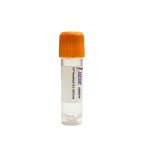
Cryopreserved in vials and shipped on dry ice


Disclaimer:

For Research Use Only

  • Characteristics

    Host Cell

    3LL

    Age

    Unknown

    Sex of Donor

    Unknown

    Gene Name

    Irf7

    Gene Alias

    interferon regulatory factor 7

    Gene Species

    Mus musculus (Mouse)

    Gene Identifier

    NCBI Gene ID 54123

    Gene Type

    protein coding gene

  • Culture Conditions

    Temperature

    37°C

    Atmosphere

    5% CO₂

  • Quality Control

    Sterility testing

    Daily monitoring confirms that the cells are free from bacterial, yeast, and fungal contamination.

    Mycoplasma testing

    Negative for mycoplasma through PCR analysis

    Pathogens

    Cells tested negative for HIV-1, HBV, and HCV.

  • Disclaimer

    Intended Use

    This product is intended for laboratory in vitro use only. lt is not intended for diagnostic, therapeutic, or clinical applications.

    Disclaimer

    Ascent Research endeavors to provide accurate and up-to-date product information. However, no warranties or representations are made regarding its completeness or reliability. References to scientific literature and patents are for informational purposes only, and the customer assumes sole responsibility for verifying their accuracy.

    By accepting this product, the customer acknowledges and agrees to assume all risks associated with its receipt, handling, storage, disposal, and use, including compliance with all applicable safety and environmental regulations and precautions. Relevant laws, regulations, and ethical guidelines must be followed in conducting any research, modifications, or derivatives derived from this product.

    This product is provided "AS IS", and except as expressly stated herein, Ascent Research disclaims all other warranties, express or implied. Under no circumstances shall Ascent Research, its affiliates, or representatives be liable for indirect, incidental, consequential, or punitive damages arising from the use of this material. While Ascent Research employs rigorous quality control measures, we shall not be held responsible for damages resulting from misidentification or misinterpretation of the provided materials.

Description

The Irf7 Knockout 3LL Cell Line is a CRISPR/Cas9-engineered murine cancer cell model in which the Irf7 gene has been disrupted to eliminate functional IRF7 expression. This edited line is generated in 3LL cells, a mouse Lewis lung carcinoma background, to provide a stable in vitro system for investigating IRF7-dependent transcriptional regulation, innate immune signaling, and tumor cell-intrinsic interferon biology. The model is particularly relevant for studies requiring controlled interrogation of type I interferon pathway amplification in a lung tumor context.

3LL is an epithelial-like Lewis lung carcinoma cell line syngeneic to C57BL/6 mice and is widely used in transplantable tumor studies of lung cancer progression, metastatic behavior, and tumor-immune interactions. Because this host line is well established in experimental oncology and immunology, it provides a useful platform for examining how tumor cells respond to inflammatory cues, nucleic acid sensing agonists, and immunomodulatory conditions. Its murine origin and frequent use in syngeneic settings also support translationally relevant analyses of cancer-immune crosstalk and tumor-associated cytokine regulation.

IRF7 is a master interferon-regulatory transcription factor that functions downstream of endosomal and cytosolic nucleic acid sensing pathways. It is activated by signaling networks involving TLR7, TLR9, MYD88, IRAK1, TRAF6, MAVS, and STING/TMEM173, with phosphorylation and activation linked to TBK1 and IKBKE/IKKepsilon. IRF7 cooperates with transcriptional cofactors such as CBP/EP300 and intersects with IRF3 and the IFNAR1/IFNAR2-JAK1-TYK2-STAT1-STAT2-IRF9 axis to amplify type I interferon responses. Downstream, IRF7 promotes expression of Ifnb1, Ifna genes, and interferon-stimulated genes including Isg15, Ifit1, Ifit2, Ifit3, Oas1, Oas2, Rsad2/Viperin, Cxcl10, Ccl5, Mx1, and Mx2. Accordingly, Irf7 loss is expected to attenuate transcriptional amplification of antiviral and inflammatory programs relevant to viral infection, interferonopathies, innate immune dysregulation, and cancer immunology.

In the 3LL background, Irf7 knockout provides a focused system for dissecting how tumor cells integrate innate immune sensing with immune-modulatory output. This is useful for evaluating tumor cell-intrinsic contributions to interferon secretion, chemokine production, immune ligand regulation, and response to STING pathway activation or TLR agonism. The model can also support studies of tumor immune evasion, lung cancer inflammatory states, and pathway dependence in response to cytokine or nucleic acid stimulation.

Representative applications include RT-qPCR or RNA-seq profiling of interferon-stimulated transcriptional programs; western blotting for IRF7-associated signaling nodes and phospho-STAT1 or phospho-TBK1; ELISA-based quantification of IFN-beta or CXCL10; interferon-stimulated response element reporter assays; immunofluorescence analysis of IRF nuclear translocation; flow cytometry of immune surface markers; viral challenge assays to assess tumor cell-intrinsic antiviral competence; cytokine profiling under STING, RIG-I-like receptor, or TLR pathway stimulation; co-immunoprecipitation studies of signaling complexes; and drug sensitivity experiments examining responses to immunomodulatory or pathway-targeted agents. Researchers may contact Ascent Research for additional technical information, product details, or related gene-edited cell models.


Reset Password

    Reach Us Questions? Click Me Here!

    Fill out the form below and a member of our team will contact you shortly!

    *Required field


      Reach Us

      Fill out the form below and a member of our team will contact you shortly!

      *Required field

      Product Inquiry (Optional)