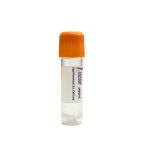
The Itgal Knockout 3LL Cell Line is a CRISPR/Cas9-engineered mouse Lewis lung carcinoma model in which the Itgal gene has been disrupted to eliminate functional integrin alpha L expression. This gene-edited cell line provides a stable in vitro system for examining the consequences of Itgal loss in a tumor epithelial-like background. As ITGAL encodes CD11a, the alpha subunit of lymphocyte function-associated antigen-1 (LFA-1), this model is suited for studies of adhesion-dependent signaling, cell-cell interactions, and tumor-associated mechanisms influenced by integrin-mediated communication.
3LL, also known as Lewis lung carcinoma, is a murine lung carcinoma cell line syngeneic to C57BL/6 mice and is extensively used in studies of lung cancer progression, metastatic dissemination, and tumor-immune interactions. Its broad use in immuno-oncology derives from its compatibility with syngeneic mouse tumor models and its utility in evaluating tumor cell behavior within immune-relevant experimental settings. In vitro, 3LL cells serve as a practical platform for investigating migration, invasion, and responses to stromal or immune cues, making them a useful host for dissecting adhesion and signaling pathways linked to cancer biology.
At the molecular level, ITGAL forms a heterodimer with ITGB2 to generate LFA-1, a receptor that mediates ICAM-dependent adhesion through binding to ICAM1 and ICAM2. ITGAL function is regulated by inside-out activation pathways downstream of chemokine receptors, including CXCR4 and CCR7, and by RAP1A, APBB1IP/RIAM, TLN1, and FERMT3, which promote integrin activation and ligand binding competence. Following ligand engagement, LFA-1 mediates outside-in signaling involving PTK2/FAK, SRC family kinases, PI3K-AKT, ERK, RAC1 activation, and actin remodeling through cytoskeletal components including ACTB and filamin A, with paxillin-associated adhesive signaling contributing to migratory phenotypes. Disruption of Itgal is therefore expected to diminish LFA-1-dependent adhesive interactions and alter downstream signaling relevant to immune synapse organization, transendothelial migration biology, and cytoskeletal regulation.
In the 3LL background, loss of Itgal provides a means to interrogate how integrin alpha L contributes to tumor cell interaction with immune and microenvironmental ligands, as well as how reduced ICAM-directed adhesion influences migration-associated and signaling-associated phenotypes. This context is relevant to studies of tumor immune evasion, inflammatory signaling interfaces, and metastatic behavior, particularly where adhesion receptor networks affect contact-dependent communication with leukocytes.
This knockout model can be applied in flow cytometry assays evaluating CD11a/LFA-1 surface expression, RT-qPCR or western blotting to confirm Itgal disruption, and adhesion assays using ICAM-coated substrates to quantify changes in ligand-dependent attachment. It is also suitable for migration and invasion assays, immunofluorescence analysis of actin cytoskeletal organization, phospho-signaling studies focused on FAK, SRC, AKT, or ERK pathway activity, and co-culture experiments with T cells or NK cells to examine tumor-immune engagement. In syngeneic mouse studies and transcriptomic profiling by RNA-seq, the model may support investigation of adhesion-regulated programs and integrin pathway dependencies in cancer immunology and metastasis research. Researchers may contact Ascent Research for additional technical information, product details, or related gene-edited cell models.