Quick Order Cart

Cat. No. ARG35410

BBC3 Knockout CAL27 Polyclonal Cells

  • Product Type:

    Polyclonal Cell Population

  • Species:

    Homo sapiens (Human)

  • Tissue Source:

    Oral cavity (tongue)

  • Disease:

    Adenosquamous carcinoma

This polyclonal CRISPR/Cas9-edited CAL-27 cell population features disruption of the BBC3 gene, providing a loss-of-function model for the pro-apoptotic BH3-only protein PUMA in a human oral squamous cell carcinoma background. PUMA is a critical p53 target that binds and inhibits BCL-2 and MCL-1, thereby unleashing BAX/BAK-driven mitochondrial apoptosis. This knockout model is ideal for investigating DNA damage-induced cell death, assessing drug sensitivity, and studying apoptosis evasion in oral cancer, with compatible assays including Annexin V flow cytometry, caspase cleavage western blots, and cell viability readouts.

Inquire Now

In stock

Ships next business day


Ask a Question

Shipping Info:

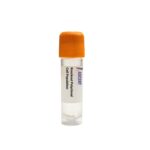
Cryopreserved in vials and shipped on dry ice


Disclaimer:

For Research Use Only

  • Characteristics

    Host Cell

    CAL-27

    Sex of Donor

    Male

    Age

    56 years

    Derived From Site

    In situ; Tongue

    Gene Name

    BBC3

    Gene Identifier

    NCBI Gene ID 27113

    Morphology

    Epithelial-like

    Growth Mode

    Adherent

    Storage

    Liquid nitrogen (LN2)

  • Culture Conditions

    Growth medium

    DMEM

    Supplement(s)

    10% Fetal Bovine Serum, 1% Penicillin-Streptomycin Solution

    Temperature

    37°C

    Atmosphere

    5% CO₂

  • Quality Control

    Sterility testing

    The bacterial, yeast, and fungi are not detected in these cells by daily monitor.

    Mycoplasma testing

    Negative for mycoplasma through PCR analysis

  • Disclaimer

    Intended Use

    This product is intended for laboratory in vitro use only. lt is not intended for diagnostic, therapeutic, or clinical applications.

    Disclaimer

    Ascent Research endeavors to provide accurate and up-to-date product information. However, no warranties or representations are made regarding its completeness or reliability. References to scientific literature and patents are for informational purposes only, and the customer assumes sole responsibility for verifying their accuracy.

    By accepting this product, the customer acknowledges and agrees to assume all risks associated with its receipt, handling, storage, disposal, and use, including compliance with all applicable safety and environmental regulations and precautions. Relevant laws, regulations, and ethical guidelines must be followed in conducting any research, modifications, or derivatives derived from this product.

    This product is provided "AS IS", and except as expressly stated herein, Ascent Research disclaims all other warranties, express or implied. Under no circumstances shall Ascent Research, its affiliates, or representatives be liable for indirect, incidental, consequential, or punitive damages arising from the use of this material. While Ascent Research employs rigorous quality control measures, we shall not be held responsible for damages resulting from misidentification or misinterpretation of the provided materials.

Description

This product comprises a polyclonal population of CAL-27 cells engineered with CRISPR/Cas9-mediated disruption of the BBC3 gene (Homo sapiens). The knockout model enables a loss-of-function approach to dissect the biological roles of the encoded PUMA protein, a critical pro-apoptotic factor. This polyclonal knockout cell population is suited for experiments requiring a heterogeneous genetic background, reflecting the complexity of tumor cell populations.

The host cell line, CAL-27, is an established human tongue squamous cell carcinoma model derived from a head and neck tumor. These adherent epithelial cells exhibit aggressive growth characteristics and retain key molecular features of oral cancer, including sensitivity to p53-mediated stress responses. As a clinically relevant cellular context, CAL-27 provides a robust platform for studying apoptosis regulation and therapeutic vulnerabilities in oral squamous cell carcinoma.

BBC3 encodes PUMA, a BH3-only member of the BCL-2 family that functions as a pivotal link between upstream stress signals and mitochondrial apoptosis. Under DNA damage, the transcription factor p53/TP53 directly activates BBC3 expression; additional regulators such as E2F1 and FOXO3a also contribute to its transcriptional control. PUMA protein then engages anti-apoptotic binding partners??notably BCL-2, BCL-XL, and MCL-1??neutralizing their inhibitory effects on the pore-forming effectors BAX and BAK. This liberation triggers BAX/BAK oligomerization, mitochondrial outer membrane permeabilization, cytochrome c release, and subsequent activation of caspase-9, which in turn cleaves and activates executioner caspases including caspase-3. This cascade represents a core executioner mechanism of intrinsic apoptosis, integrating signals from DNA damage, oncogene activation, and cytokine withdrawal.

In the CAL-27 background, disruption of BBC3 provides an invaluable tool for examining apoptosis evasion, a hallmark of many solid tumors. Oral squamous cell carcinomas frequently display aberrant apoptotic signaling, and the loss of PUMA function can mimic the anti-apoptotic adaptations that promote tumor survival and chemoresistance. This model thus allows researchers to study how cancer cells withstand genotoxic stress, as well as to explore the interplay between p53 status (wild-type or mutant) and downstream death pathways. The polyclonal nature further permits assessment of heterogeneous responses to apoptotic stimuli within a mixed population, mirroring the clonal diversity of real tumors.

Researchers can employ this knockout model in a range of assays including Annexin V/propidium iodide flow cytometry to quantify apoptosis, western blotting for detection of cleaved caspase-3 and caspase-9, and cell viability assays such as MTT or CellTiter-Glo. RT-qPCR analysis can confirm reduced PUMA transcript levels, while immunofluorescence enables visualization of cytochrome c release from mitochondria. Colony formation assays provide insight into long-term proliferative capacity following genotoxic treatment. This product is particularly useful for investigations into p53-dependent apoptosis, DNA damage response pathways, and mechanisms of drug resistance in oral cancer. For further information, please contact Ascent Research.


Reset Password

    Reach Us Questions? Click Me Here!

    Fill out the form below and a member of our team will contact you shortly!

    *Required field


      Reach Us

      Fill out the form below and a member of our team will contact you shortly!

      *Required field

      Product Inquiry (Optional)