Quick Order Cart

Cat. No. ARG43773

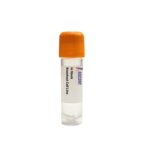
CAV1 Knockout Caco-2 Cell Line

  • Product Type:

    In Stock Cell Lines

  • Species:

    Homo sapiens (Human)

  • Tissue Source:

    Large intestine (colon)

  • Disease:

    Adenocarcinoma

The CAV1 Knockout Caco-2 Cell Line is a CRISPR/Cas9-edited knockout cell line derived from human Caco-2 colorectal adenocarcinoma cells. It provides constitutive disruption of caveolin-1, the main structural protein of caveolae, allowing researchers to study endocytosis, intestinal barrier function, and signaling pathways. Caveolin-1 scaffolds caveolae and inhibits receptors such as EGFR and eNOS, attenuating PI3K/AKT and MAPK cascades. This model is ideal for permeability assays, migration studies, and signaling analysis via western blotting, immunofluorescence, and co-immunoprecipitation in an intestinal epithelial context.

Inquire Now

In stock

Ships next business day


Ask a Question

Shipping Info:

Cryopreserved in vials and shipped on dry ice


Disclaimer:

For Research Use Only

  • Characteristics

    Host Cell

    Caco-2

    Sex of Donor

    Male

    Age

    72 years

    Gene Name

    CAV1

    Gene Identifier

    NCBI Gene ID 857

    Morphology

    Epithelial-like

    Growth Mode

    Adherent

    Storage

    Liquid nitrogen (LN2)

  • Culture Conditions

    Temperature

    37°C

    Atmosphere

    5% COâ‚‚

  • Quality Control

    Sterility testing

    The bacterial, yeast, and fungi are not detected in these cells by daily monitor.

    Mycoplasma testing

    Negative for mycoplasma through PCR analysis

  • Disclaimer

    Intended Use

    This product is intended for laboratory in vitro use only. It is not intended for diagnostic, therapeutic, or clinical applications.

    Disclaimer

    Ascent Research endeavors to provide accurate and up-to-date product information. However, no warranties or representations are made regarding its completeness or reliability. References to scientific literature and patents are for informational purposes only, and the customer assumes sole responsibility for verifying their accuracy.

    By accepting this product, the customer acknowledges and agrees to assume all risks associated with its receipt, handling, storage, disposal, and use, including compliance with all applicable safety and environmental regulations and precautions. Relevant laws, regulations, and ethical guidelines must be followed in conducting any research, modifications, or derivatives derived from this product.

    This product is provided "AS IS", and except as expressly stated herein, Ascent Research disclaims all other warranties, express or implied. Under no circumstances shall Ascent Research, its affiliates, or representatives be liable for indirect, incidental, consequential, or punitive damages arising from the use of this material. While Ascent Research employs rigorous quality control measures, we shall not be held responsible for damages resulting from misidentification or misinterpretation of the provided materials.

Description

The CAV1 Knockout Caco-2 Cell Line is a CRISPR/Cas9-edited knockout cell line derived from the human Caco-2 colorectal adenocarcinoma cell line. This loss-of-function model provides constitutive disruption of the CAV1 gene, which encodes caveolin-1, the principal structural and functional component of caveolae. By eliminating caveolin-1 expression, this cell line permits detailed analysis of caveolae-dependent processes in an intestinal epithelial context.

Caco-2 cells, originally isolated from a human colon carcinoma, are a well-established in vitro model of the intestinal epithelium. Upon reaching confluence, these cells spontaneously differentiate into polarized enterocyte-like monolayers that form tight junctions, develop apical microvilli, and express brush border enzymes and drug transporters characteristic of the small intestine. They are widely employed in pharmaceutical science to predict human oral drug absorption, assess intestinal permeability, and investigate epithelial barrier function. The CAV1 Knockout Caco-2 Cell Line is generated on this robust background, offering a physiologically relevant system for studying caveolin-1 biology in intestinal cells.

Caveolin-1 drives the formation of flask-shaped caveolae at the plasma membrane. It directly binds and inhibits signaling receptors, notably EGFR and eNOS, thereby attenuating downstream PI3K/AKT and MAPK cascades. Upstream regulators include EGF, TGF-??, hypoxia, nitric oxide, and the tumor suppressor p53, which transcriptionally controls caveolin-1 expression. Downstream, caveolin-1 modulates EGFR internalization, Src kinase activity, Rho GTPase signaling, ??-catenin transduction, and integrin trafficking. It interacts with cavin proteins, Src, EGFR, eNOS, Rac1, integrins, actin, and cholesterol to coordinate endocytosis, adhesion, and signal integration. CAV1 knockout disrupts caveolae structure and removes a critical brake on diverse signaling pathways.

In the Caco-2 intestinal epithelial context, CAV1 knockout disrupts caveolae and releases tonic inhibition of EGFR and eNOS, enhancing PI3K/AKT and MAPK signaling. This can alter tight junction dynamics, cell migration, and endocytic trafficking of drug transporters. Because Caco-2 cells express Wnt and TGF-?? pathway components, this model enables dissection of caveolin-1??s roles in colorectal cancer progression and epithelial?Cmesenchymal transition. The combination of relevant epithelial features and CAV1 loss makes this a powerful translational research tool.

Researchers can employ the CAV1 Knockout Caco-2 Cell Line in a wide array of functional studies. It is ideally suited for Transwell permeability assays to evaluate how caveolin-1 influences intestinal drug absorption and barrier integrity. Migration and invasion assays using these cells can reveal mechanisms of caveolin-1-dependent metastatic behavior. Biochemical analyses via western blotting for CAV1 and phospho-proteins, RT-qPCR, immunofluorescence, and co-immunoprecipitation with EGFR or cavins enable signaling dissection. Additional applications include cholesterol staining and flow cytometry to assess lipid raft organization and surface receptor expression. For further information, please contact Ascent Research.


Reset Password

    Reach Us Questions? Click Me Here!

    Fill out the form below and a member of our team will contact you shortly!

    *Required field


      Reach Us

      Fill out the form below and a member of our team will contact you shortly!

      *Required field

      Product Inquiry (Optional)