Quick Order Cart

Cat. No. ARG43774

CBX4 Knockout BEAS-2B Cell Line

  • Product Type:

    In Stock Cell Lines

  • Species:

    Homo sapiens (Human)

  • Tissue Source:

    Lung

The CBX4 Knockout BEAS-2B Cell Line provides a CRISPR/Cas9-edited loss-of-function model of the CBX4 gene in SV40-immortalized human bronchial epithelial cells. CBX4 functions as a transcriptional repressor within PRC1 and as a SUMO E3 ligase, modifying substrates such as HIPK2, CtBP, and PML, and is regulated by upstream kinase HIPK2. This knockout enables investigation of epigenetic silencing, SUMOylation, and epithelial differentiation in airway biology. It supports assays including ChIP-qPCR for H2AK119ub, western blotting for SUMO targets, TEER measurement, and senescence analysis, making it suitable for cancer, respiratory disease, and drug discovery research.

Inquire Now

In stock

Ships next business day


Ask a Question

Shipping Info:

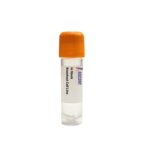
Cryopreserved in vials and shipped on dry ice


Disclaimer:

For Research Use Only

  • Characteristics

    Host Cell

    BEAS-2B

    Sex of Donor

    Male

    Age

    Unknown

    Derived From Site

    bronchus, Epithelium, Lung

    Gene Name

    CBX4

    Gene Identifier

    NCBI Gene ID 8535

    Morphology

    Epithelial-like

    Growth Mode

    Adherent

    Storage

    Liquid nitrogen (LN2)

  • Culture Conditions

    Temperature

    37°C

    Atmosphere

    5% COâ‚‚

  • Quality Control

    Sterility testing

    The bacterial, yeast, and fungi are not detected in these cells by daily monitor.

    Mycoplasma testing

    Negative for mycoplasma through PCR analysis

  • Disclaimer

    Intended Use

    This product is intended for laboratory in vitro use only. It is not intended for diagnostic, therapeutic, or clinical applications.

    Disclaimer

    Ascent Research endeavors to provide accurate and up-to-date product information. However, no warranties or representations are made regarding its completeness or reliability. References to scientific literature and patents are for informational purposes only, and the customer assumes sole responsibility for verifying their accuracy.

    By accepting this product, the customer acknowledges and agrees to assume all risks associated with its receipt, handling, storage, disposal, and use, including compliance with all applicable safety and environmental regulations and precautions. Relevant laws, regulations, and ethical guidelines must be followed in conducting any research, modifications, or derivatives derived from this product.

    This product is provided "AS IS", and except as expressly stated herein, Ascent Research disclaims all other warranties, express or implied. Under no circumstances shall Ascent Research, its affiliates, or representatives be liable for indirect, incidental, consequential, or punitive damages arising from the use of this material. While Ascent Research employs rigorous quality control measures, we shall not be held responsible for damages resulting from misidentification or misinterpretation of the provided materials.

Description

The CBX4 Knockout BEAS-2B Cell Line is a CRISPR/Cas9-edited knockout cell line that disrupts the CBX4 gene in SV40-immortalized human bronchial epithelial cells. By employing CRISPR/Cas9-mediated gene disruption, this model delivers a stable loss-of-function system for investigating CBX4-dependent transcriptional repression via Polycomb repressive complex 1 (PRC1) and SUMO E3 ligase activity. It avoids the off-target effects and transient nature of RNA interference, providing a reliable platform for long-term functional assays.

The BEAS-2B line originates from normal human bronchial epithelium immortalized with SV40 large T antigen, retaining key airway features such as polarized barrier formation, mucociliary clearance, and innate immune responsiveness. Its non-tumorigenic status makes it a physiologically relevant model for epithelial cell biology and respiratory disease research, free from oncogenic transformation artifacts. Integration of the CBX4 knockout thus enables direct interrogation of epigenetic regulators in a primary-like bronchial cell context.

CBX4 functions as a transcriptional repressor through PRC1, interacting with RING1 and BMI1 to catalyze H2AK119ub and compact chromatin. Additionally, as a SUMO E3 ligase, it facilitates SUMOylation of substrates including HIPK2, CtBP, PML, and itself, in cooperation with the E2 enzyme Ubc9. Upstream kinase HIPK2 and stress signals modulate CBX4 activity. Critical downstream targets comprise the INK4a/ARF locus and other developmentally controlled genes, linking CBX4 to senescence and differentiation pathways.

Within airway epithelial cells, CBX4 likely governs barrier integrity, differentiation, and innate defense programs. The BEAS-2B knockout model enables assessment of how loss of CBX4-mediated gene silencing affects tight junction composition, mucociliary clearance components, and inflammatory gene expression. Such perturbations are particularly relevant to respiratory diseases like COPD and asthma, where epithelial dysfunction and aberrant epigenetic regulation are central. This model thus offers a powerful tool for uncovering epigenetic contributions to pulmonary pathology.

Researchers can employ this knockout line in ChIP-qPCR for H2AK119ub and CBX4 binding, western blotting for CBX4 and SUMOylated proteins, and RT-qPCR of PRC1 targets. Functional studies may include senescence assays, TEER for barrier function, migration/invasion, and immunofluorescence localization. Additionally, it supports SUMOylation analyses via immunoprecipitation and complementation experiments with CBX4 variants. For further information or to discuss custom applications, please contact Ascent Research.


Reset Password

    Reach Us Questions? Click Me Here!

    Fill out the form below and a member of our team will contact you shortly!

    *Required field


      Reach Us

      Fill out the form below and a member of our team will contact you shortly!

      *Required field

      Product Inquiry (Optional)