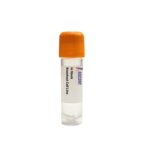
The Ccr5 Knockout RAW 264.7 Cell Line is a CRISPR/Cas9-edited knockout cell line designed for studying chemokine receptor biology. This model features targeted disruption of the murine Ccr5 gene in the RAW 264.7 macrophage cell line, providing a stable loss-of-function system for investigating CCR5-dependent signaling, chemotaxis, and viral entry mechanisms. The knockout cell line serves as a platform for researchers exploring chemokine-receptor interactions, inflammatory processes, and HIV-1 pathogenesis.
RAW 264.7 is a well-characterized mouse macrophage cell line established from an Abelson murine leukemia virus-induced tumor in BALB/c mice. As a macrophage model, RAW 264.7 cells display robust phagocytic activity, cytokine secretion, and antigen presentation capabilities, reflecting their role in innate immune defense. They are widely used to study macrophage biology, inflammatory responses, and host?Cpathogen interactions. The expression of chemokine receptors, including CCR5, makes this line particularly suited for examining leukocyte migration and signaling pathways central to inflammation and infection.
CCR5 functions as a G protein-coupled receptor that selectively binds CCL3, CCL4, and CCL5. Ligand binding activates G??i proteins, triggering calcium flux and stimulation of PI3K/Akt, ERK1/2, and focal adhesion kinase pathways, driving cytoskeletal rearrangement and migration. The receptor is transcriptionally regulated by TNF-?? and IFN-??. In HIV-1 infection, CCR5 acts as an essential co-receptor with CD4, enabling gp120 binding and membrane fusion. ??-arrestin mediates receptor internalization and MAPK scaffolding, while JAK2/STAT3 signaling intersects with CCR5-dependent gene expression. Thus, CCR5 sits at a hub integrating chemotactic, survival, and transcriptional signals.
In macrophages, CCR5 orchestrates key functions such as directed migration toward inflammatory chemokine gradients and contributes to the pathogenesis of atherosclerosis, rheumatoid arthritis, and cancer metastasis. Knocking out Ccr5 in RAW 264.7 cells eliminates the primary receptor for CCL3, CCL4, and CCL5, abrogating chemokine-induced signaling and chemotaxis. This deficiency also renders the cells resistant to HIV-1 entry, providing a clean background to assess viral tropism and co-receptor usage. The knockout line thus serves as a critical tool for dissecting the macrophage-specific mechanisms of CCR5-driven inflammation and infection, and for evaluating the cellular consequences of CCR5 deficiency in innate immune cells.
Researchers can employ this knockout cell line in diverse experimental applications, including transwell chemotaxis assays, HIV-1 pseudovirus entry studies, calcium flux measurements, and western blot analysis of downstream signaling components such as phosphorylated Akt and ERK. Flow cytometry enables verification of CCR5 surface expression loss, while cytokine profiling reveals alterations in macrophage inflammatory output. The line is also suitable for high-throughput screening of CCR5 antagonists or small-molecule inhibitors. Comprehensive functional annotation of CCR5-dependent processes in a macrophage context is facilitated by this model. For further information and technical support, please contact Ascent Research.