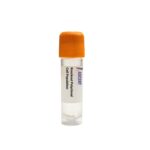
The CHD1L Knockout Raji Polyclonal Cells product is a CRISPR/Cas9-edited polyclonal population with targeted disruption of the CHD1L gene in the Raji B-lymphocyte background. This pool of knockout cells enables robust loss-of-function studies without single-cell cloning, offering a practical model for investigating CHD1L-dependent processes.
Raji cells are an EBV-immortalized lymphoblastoid line from a Burkitt lymphoma patient. These suspension cells exhibit mature B lymphocyte hallmarks, including surface immunoglobulin expression and capabilities for antibody production and antigen presentation. Their rapid growth and efficient transfection have made them a standard model in immunology and cancer biology, especially for studies on DNA repair and genomic stability.
CHD1L encodes a SNF2-like ATPase chromatin remodeler essential for the DNA damage response. Upon genotoxic stress, PARP1-mediated poly(ADP-ribosyl)ation recruits CHD1L to lesions, where it interacts with PARP1, histones, XRCC1, and DNA ligase III. CHD1L remodels chromatin to facilitate assembly of repair complexes, influencing ??H2AX focus formation and downstream ATM signaling. Through these interactions, CHD1L coordinates PARP1 signaling, chromatin accessibility, and transcriptional programs linked to cell cycle checkpoints and survival.
In Raji B cells, CHD1L disruption helps dissect how chromatin dynamics regulate DDR efficiency in lymphoid malignancies. Given the Burkitt lymphoma origin, this model enables exploration of CHD1L??s role in oncogenic stress management and therapeutic resistance. CHD1L overexpression is associated with hepatocellular and colorectal carcinomas; its loss in B cells may reveal PARP inhibitor synthetic lethality or chemosensitization, guiding combination therapy design.
This polyclonal knockout population supports diverse functional assays, including western blotting, ??H2AX immunofluorescence, comet assays, and ChIP. DDR signaling assays and viability tests after irradiation or drug treatment systematically evaluate CHD1L??s role in genome maintenance. These studies advance understanding of chromatin-mediated repair and aid cancer drug development. For more information, please contact Ascent Research.