Quick Order Cart

Cat. No. ARG1123

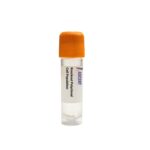
CHD3 Knockout Raji Polyclonal Cells

  • Product Type:

    Polyclonal Cell Population

  • Species:

    Homo sapiens (Human)

  • Tissue Source:

    Bone

  • Disease:

    Burkitt lymphoma

CRISPR/Cas9-edited polyclonal CHD3 knockout Raji cells provide a heterogeneous B-lymphocyte model for investigating the NuRD chromatin remodeling complex. CHD3, the central ATPase subunit, interacts with MTA1, HDAC1, and MBD2 to catalyze nucleosome sliding and histone deacetylation, leading to transcriptional repression. Loss of CHD3 disrupts NuRD-mediated gene silencing, offering a tool to study epigenetic dysregulation in Burkitt lymphoma and B-cell malignancies. This polyclonal population supports diverse applications, including functional genomics, drug target validation, and chromatin remodeling studies using Western blotting, RNA-seq, ChIP-qPCR, flow cytometry for cell cycle and apoptosis, and drug sensitivity assays.

Inquire Now

In stock

Ships next business day


Ask a Question

Shipping Info:

Cryopreserved in vials and shipped on dry ice


Disclaimer:

For Research Use Only

  • Characteristics

    Host Cell

    Raji

    Cell Type

    B cell line

    Sex of Donor

    Male

    Age

    11 years

    Derived From Site

    In situ; Maxilla

    Gene Name

    CHD3

    Gene Identifier

    NCBI Gene ID 1107

    Morphology

    Lymphoblast-like

    Growth Mode

    Suspension

    Storage

    Liquid nitrogen (LN2)

  • Culture Conditions

    Growth medium

    RPMI 1640

    Supplement(s)

    10% Fetal Bovine Serum, 1% Penicillin-Streptomycin Solution

    Temperature

    37°C

    Atmosphere

    5% CO₂

  • Quality Control

    Sterility testing

    The bacterial, yeast, and fungi are not detected in these cells by daily monitor.

    Mycoplasma testing

    Negative for mycoplasma through PCR analysis

  • Disclaimer

    Intended Use

    This product is intended for laboratory in vitro use only. lt is not intended for diagnostic, therapeutic, or clinical applications.

    Disclaimer

    Ascent Research endeavors to provide accurate and up-to-date product information. However, no warranties or representations are made regarding its completeness or reliability. References to scientific literature and patents are for informational purposes only, and the customer assumes sole responsibility for verifying their accuracy.

    By accepting this product, the customer acknowledges and agrees to assume all risks associated with its receipt, handling, storage, disposal, and use, including compliance with all applicable safety and environmental regulations and precautions. Relevant laws, regulations, and ethical guidelines must be followed in conducting any research, modifications, or derivatives derived from this product.

    This product is provided "AS IS", and except as expressly stated herein, Ascent Research disclaims all other warranties, express or implied. Under no circumstances shall Ascent Research, its affiliates, or representatives be liable for indirect, incidental, consequential, or punitive damages arising from the use of this material. While Ascent Research employs rigorous quality control measures, we shall not be held responsible for damages resulting from misidentification or misinterpretation of the provided materials.

Description

The CHD3 Knockout Raji Polyclonal Cells are a CRISPR/Cas9-edited polyclonal knockout cell population designed to disrupt the CHD3 gene in the human Raji B lymphocyte line. This heterogeneous pool contains a spectrum of loss-of-function mutations resulting from CRISPR/Cas9-mediated gene disruption, preserving the inherent genetic diversity of the edited population and avoiding clonal selection biases. The polyclonal format provides a robust and reproducible model for interrogating NuRD complex-dependent processes without the confounding effects of monoclonal expansion.

Raji cells are an EBV-positive Burkitt lymphoma-derived B lymphocyte line that exhibits hallmarks of mature B cells, including surface immunoglobulin expression, antigen presentation, and antibody secretion. Their transformed, yet lineage-committed, phenotype makes them a widely utilized model for studying B-cell malignancies, lymphoma biology, and immune cell function. The presence of the EBV genome further facilitates investigations into viral-driven oncogenesis and its interplay with host epigenetic machinery.

CHD3 encodes the chromodomain-helicase-DNA-binding protein 3, the central ATPase subunit of the nucleosome remodeling and deacetylase (NuRD) complex. Within this multi-subunit assembly, CHD3 directly interacts with scaffold proteins MTA1 and MTA2, histone deacetylases HDAC1 and HDAC2, histone-binding proteins RBBP4 and RBBP7, methyl-CpG binding proteins MBD2 and MBD3, and the co-repressors GATAD2A and GATAD2B. Recruitment of NuRD to chromatin is mediated by MBD2/3 binding to methylated DNA, while upstream kinase CDK2 phosphorylates CHD3 to modulate its activity. Once targeted, CHD3 hydrolyzes ATP to slide nucleosomes, and this remodeling is functionally coupled to HDAC-mediated histone deacetylation, resulting in robust transcriptional repression of downstream genes. Key transcriptional targets include cell cycle inhibitors, linking CHD3 activity to the regulation of proliferation and survival.

Disruption of CHD3 in Raji B cells abrogates the core enzymatic activity of the NuRD complex, impairing the coordination between ATP-dependent chromatin remodeling and histone deacetylation. This loss-of-function leads to aberrant chromatin states and derepression of NuRD target genes, potentially perturbing cell cycle progression, apoptotic signaling, and differentiation pathways. Given the dependency of Burkitt lymphoma cells on epigenetic regulation for sustaining oncogenic transcriptional programs, this knockout model offers a physiologically relevant system to dissect the role of NuRD in B-cell transformation. Moreover, mutations in CHD3 are associated with neurodevelopmental disorders, underscoring the broader biological significance of this chromatin remodeler.

Researchers can leverage these polyclonal CHD3 knockout Raji cells for diverse applications, including mechanistic studies of NuRD complex function in B lymphocytes, high-content screening for small molecules that modulate chromatin remodeling, and validation of CHD3 as a therapeutic target for hematological malignancies. Compatible downstream assays include RT-qPCR and RNA-seq for transcriptome analysis, ChIP-qPCR for profiling histone modification changes, co-immunoprecipitation to assess NuRD complex integrity, and flow cytometry combined with immunofluorescence for cell cycle and apoptosis phenotyping. Drug sensitivity assays can further elucidate the impact of CHD3 loss on therapeutic responses. For additional information, please contact Ascent Research.


Reset Password

    Reach Us Questions? Click Me Here!

    Fill out the form below and a member of our team will contact you shortly!

    *Required field


      Reach Us

      Fill out the form below and a member of our team will contact you shortly!

      *Required field

      Product Inquiry (Optional)