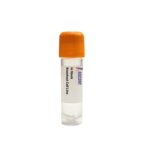
Quick Order Cart

Cat. No. ARG43794

Clec16a Knockout RAW 264.7 Cell Line

  • Product Type:

    In Stock Cell Lines

  • Species:

    Mus musculus (Mouse)

  • Tissue Source:

    Ascites

  • Disease:

    Leukemia

The Clec16a Knockout RAW 264.7 Cell Line provides a CRISPR/Cas9-edited loss-of-function system in the RAW 264.7 murine macrophage background. Disruption of Clec16a, a regulator of autophagy and mitophagy, allows dissection of its role in mitochondrial quality control and immune signaling. The protein interacts with E3 ubiquitin ligases NRDP1 and Parkin, influencing pathways such as NF-??B and LC3-mediated autophagosome formation. Researchers can employ this model to investigate autophagy mechanisms via western blotting, RT-qPCR, and immunofluorescence, and to study immune dysfunction related to autoimmune disorders like type 1 diabetes and rheumatoid arthritis. Cytokine secretion profiling and mitochondrial mass analysis by flow cytometry are representative downstream assays.

Inquire Now

In stock

Ships next business day


Ask a Question

Shipping Info:

Cryopreserved in vials and shipped on dry ice


Disclaimer:

For Research Use Only

  • Characteristics

    Host Cell

    RAW 264.7

    Sex of Donor

    Male

    Age

    Adult

    Derived From Site

    In situ; Ascites

    Gene Name

    Clec16a

    Gene Identifier

    NCBI Gene ID 74374

    Growth Mode

    Adherent

    Storage

    Liquid nitrogen (LN2)

  • Culture Conditions

    Temperature

    37°C

    Atmosphere

    5% CO₂

  • Quality Control

    Sterility testing

    The bacterial, yeast, and fungi are not detected in these cells by daily monitor.

    Mycoplasma testing

    Negative for mycoplasma through PCR analysis

  • Disclaimer

    Intended Use

    This product is intended for laboratory in vitro use only. lt is not intended for diagnostic, therapeutic, or clinical applications.

    Disclaimer

    Ascent Research endeavors to provide accurate and up-to-date product information. However, no warranties or representations are made regarding its completeness or reliability. References to scientific literature and patents are for informational purposes only, and the customer assumes sole responsibility for verifying their accuracy.

    By accepting this product, the customer acknowledges and agrees to assume all risks associated with its receipt, handling, storage, disposal, and use, including compliance with all applicable safety and environmental regulations and precautions. Relevant laws, regulations, and ethical guidelines must be followed in conducting any research, modifications, or derivatives derived from this product.

    This product is provided "AS IS", and except as expressly stated herein, Ascent Research disclaims all other warranties, express or implied. Under no circumstances shall Ascent Research, its affiliates, or representatives be liable for indirect, incidental, consequential, or punitive damages arising from the use of this material. While Ascent Research employs rigorous quality control measures, we shall not be held responsible for damages resulting from misidentification or misinterpretation of the provided materials.

Description

The Clec16a Knockout RAW 264.7 Cell Line is a CRISPR/Cas9-edited knockout cell line derived from the RAW 264.7 murine macrophage model. This product features targeted disruption of the Clec16a gene (Mus musculus), eliminating functional expression of the encoded protein. The knockout cell line serves as a defined loss-of-function system for dissecting Clec16a-dependent mechanisms in macrophage biology and immune regulation. It enables precise investigation of autophagy, mitophagy, and immune signaling pathways without relying on transient gene silencing approaches. Researchers can employ this stable knockout model to examine steady-state and stimulus-induced cellular responses in a well-characterized host background.

The host RAW 264.7 cell line is an Abelson murine leukemia virus-transformed macrophage line originating from BALB/c mice. These cells function as professional immune effector cells, exhibiting robust phagocytic activity, cytokine production, and antigen presentation capabilities. RAW 264.7 cells are widely used to study macrophage activation, inflammatory signaling, and innate immune mechanisms. Their transformed nature permits continuous culture while retaining many primary macrophage features, including responsiveness to toll-like receptor ligands and inflammasome activators. This background provides a physiologically relevant context for exploring Clec16a function in immune homeostasis.

Clec16a regulates autophagy and mitophagy through interaction with E3 ubiquitin ligases such as NRDP1 and Parkin, forming complexes that promote ubiquitin-dependent mitochondrial clearance and autophagosome formation. Its activity is modulated by nutrient deprivation, mitochondrial stress, and inflammatory cytokines, and it governs downstream processes including LC3-mediated autophagosome maturation and NF-??B signaling. Clec16a operates within the PINK1/Parkin mitophagy axis, interacting with NRDP1 and ubiquitin to coordinate removal of damaged mitochondria. Disruption of this gene impairs mitochondrial quality control and alters immune effector functions, highlighting its role at the interface of cellular metabolism and immunity.

In RAW 264.7 macrophages, Clec16a knockout induces mitophagy defects and may lead to accumulation of dysfunctional mitochondria, altered ROS production, and skewed cytokine profiles. These phenotypes mirror aspects of autoimmune disorders such as type 1 diabetes, multiple sclerosis, and rheumatoid arthritis, where Clec16a variants are linked to disease risk. The model thus enables dissection of how autophagy failure contributes to immune dysregulation in a disease-relevant cell type.

Applications include autophagy analysis via immunoblotting for LC3-II/p62, RT-qPCR of autophagy genes, and immunofluorescence for autophagosomes. Mitochondrial mass can be quantified by flow cytometry, and immune function assessed through cytokine secretion profiling. The cell line supports examination of Clec16a-dependent signaling under various stimuli. For further details, contact Ascent Research.


Reset Password

    Reach Us Questions? Click Me Here!

    Fill out the form below and a member of our team will contact you shortly!

    *Required field


      Reach Us

      Fill out the form below and a member of our team will contact you shortly!

      *Required field

      Product Inquiry (Optional)