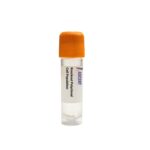
CPT2 Knockout Raji Polyclonal Cells are a CRISPR/Cas9-edited polyclonal knockout cell population engineered to disrupt the CPT2 gene in the Raji B lymphocyte line. This polyclonal pool comprises a heterogeneous collection of gene-edited cells, providing a robust loss-of-function model without clonal selection. CRISPR/Cas9-mediated gene disruption eliminates functional carnitine palmitoyltransferase 2 expression, enabling detailed studies of mitochondrial fatty acid oxidation in a B-cell lymphoma context.
The Raji cell line is an EBV-transformed B lymphoblastoid line derived from a Burkitt lymphoma patient. As a B-lymphocyte model, Raji cells display high proliferative capacity and metabolic features characteristic of aggressive lymphoma, including reliance on mitochondrial metabolism. The cells are widely utilized in cancer research for investigating metabolic reprogramming, signal transduction, and drug responses in hematological malignancies.
CPT2 encodes a mitochondrial inner membrane enzyme that catalyzes transesterification of acylcarnitine to acyl-CoA, a critical step in long-chain fatty acid ??-oxidation. This reaction functions downstream of the carnitine shuttle components CPT1A and SLC25A20, supplying acyl-CoA substrates to ??-oxidation enzymes such as VLCAD, LCHAD, ETF, and ETF-ubiquinone oxidoreductase. Resulting acetyl-CoA enters the TCA cycle, driving ATP production. CPT2 activity is regulated by PPAR??, PGC-1??, insulin, and AMPK signaling, which integrate nutritional and energy status cues.
Knockout of CPT2 in Raji cells disrupts mitochondrial long-chain fatty acid oxidation, reducing acetyl-CoA and ATP synthesis from fatty acids. This metabolic block alters energy homeostasis and may impair survival pathways that depend on fatty acid-derived ATP in lymphoma cells. The model mimics metabolic defects observed in CPT2 deficiency and allows investigation of fatty acid oxidation disorders, cancer cachexia, and metabolic myopathy, particularly regarding B-cell lymphoma metabolic dependencies.
These polyclonal knockout cells are suitable for assays including fatty acid oxidation measurements with labeled palmitate, Seahorse metabolic flux analysis, and metabolomics profiling of acyl-CoA and acetyl-CoA levels. Validation employs Western blotting and RT-qPCR for CPT2 expression, while phenotypic assays assess proliferation, viability, and apoptosis (e.g., Annexin V). Drug sensitivity screens with etomoxir or other FAO inhibitors can elucidate the therapeutic relevance of fatty acid oxidation in B-cell lymphoma. For further information or technical support, please contact Ascent Research.