Quick Order Cart

Cat. No. ARG1899

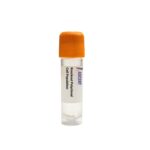
CPXM1 Knockout Raji Polyclonal Cells

  • Product Type:

    Polyclonal Cell Population

  • Species:

    Homo sapiens (Human)

  • Tissue Source:

    Bone

  • Disease:

    Burkitt lymphoma

CPXM1 Knockout Raji Polyclonal Cells are a CRISPR/Cas9-edited polyclonal knockout cell population derived from the human Burkitt's lymphoma B lymphocyte line Raji. These suspension cells lack expression of the zinc-dependent metallocarboxypeptidase CPXM1, which may participate in peptide hormone processing and extracellular matrix remodeling. The knockout model enables investigation of CPXM1 function in B-cell malignancies, substrate identification, and tumor microenvironment interactions. Applications include proliferation, apoptosis, and migration assays, with knockout validation by Sanger sequencing and Western blot.

Inquire Now

In stock

Ships next business day


Ask a Question

Shipping Info:

Cryopreserved in vials and shipped on dry ice


Disclaimer:

For Research Use Only

  • Characteristics

    Host Cell

    Raji

    Cell Type

    B cell line

    Sex of Donor

    Male

    Age

    11 years

    Derived From Site

    In situ; Maxilla

    Gene Name

    CPXM1

    Gene Identifier

    NCBI Gene ID 56265

    Morphology

    Lymphoblast-like

    Growth Mode

    Suspension

    Storage

    Liquid nitrogen (LN2)

  • Culture Conditions

    Growth medium

    RPMI 1640

    Supplement(s)

    10% Fetal Bovine Serum, 1% Penicillin-Streptomycin Solution

    Temperature

    37°C

    Atmosphere

    5% CO₂

  • Quality Control

    Sterility testing

    The bacterial, yeast, and fungi are not detected in these cells by daily monitor.

    Mycoplasma testing

    Negative for mycoplasma through PCR analysis

  • Disclaimer

    Intended Use

    This product is intended for laboratory in vitro use only. lt is not intended for diagnostic, therapeutic, or clinical applications.

    Disclaimer

    Ascent Research endeavors to provide accurate and up-to-date product information. However, no warranties or representations are made regarding its completeness or reliability. References to scientific literature and patents are for informational purposes only, and the customer assumes sole responsibility for verifying their accuracy.

    By accepting this product, the customer acknowledges and agrees to assume all risks associated with its receipt, handling, storage, disposal, and use, including compliance with all applicable safety and environmental regulations and precautions. Relevant laws, regulations, and ethical guidelines must be followed in conducting any research, modifications, or derivatives derived from this product.

    This product is provided "AS IS", and except as expressly stated herein, Ascent Research disclaims all other warranties, express or implied. Under no circumstances shall Ascent Research, its affiliates, or representatives be liable for indirect, incidental, consequential, or punitive damages arising from the use of this material. While Ascent Research employs rigorous quality control measures, we shall not be held responsible for damages resulting from misidentification or misinterpretation of the provided materials.

Description

The CPXM1 Knockout Raji Polyclonal Cells are a CRISPR/Cas9-edited polyclonal knockout cell population originating from the human Burkitt’s lymphoma-derived Raji B lymphocyte line. This suspension cell product features targeted disruption of the CPXM1 locus, encoding a zinc-dependent metallocarboxypeptidase, generating a loss-of-function model. The polyclonal pool incorporates a spectrum of edits, ensuring robust protein depletion without clonal selection bias. Provided as a living culture, the cells are ready for immediate expansion and functional assays in immunology and oncology research.

The Raji parental line was established from an 11-year-old male with Epstein-Barr virus (EBV)-positive Burkitt’s lymphoma. These suspension cells retain antigen-independent B cell receptor signaling, EBV latency gene expression, and resistance to apoptosis, serving as a workhorse model for lymphomagenesis and virology. Widely used to study NF-??B, PI3K/AKT, and apoptotic pathways, Raji cells offer a clinically relevant malignant B-cell context for exploring novel genetic dependencies.

CPXM1 belongs to the M14 metallocarboxypeptidase family and requires a zinc ion cofactor for its exopeptidase activity, which removes C-terminal amino acids from target substrates. Although its upstream regulators and downstream effectors remain undefined, CPXM1 is hypothesized to process extracellular matrix (ECM) proteins and peptide hormones, thereby influencing ECM organization and protein digestion/absorption. By cleaving C-terminal residues, CPXM1 may modulate the bioactivity, stability, or receptor interactions of its substrates. The knockout therefore eliminates this post-translational processing, potentially disrupting cell-cell and cell-matrix communication in lymphocytes.

Loss of CPXM1 in Raji cells provides a model to examine the carboxypeptidase’s contribution to B-cell malignancy. In the tumor microenvironment, CPXM1-mediated ECM remodeling or peptide maturation could affect proliferation, survival, and migration. The polyclonal nature avoids artifacts from single-cell cloning while reflecting heterogeneous knockout effects. This system enables investigation of whether CPXM1 influences lymphoma cell behavior through autocrine/paracrine loops or by altering integrin-mediated adhesion. The model may also reveal unanticipated roles of metallocarboxypeptidases in EBV-driven B-cell biology.

Applications encompass knockout validation via Sanger sequencing (indel detection), Western blotting, and RT-qPCR, alongside functional assays such as flow cytometry for B-cell markers, proliferation (CellTiter-Glo), apoptosis (Annexin V), and migration/invasion transwell assays. The cells are suitable for substrate-screening approaches like terminal amine isotopic labeling of substrates (TAILS) to identify CPXM1 targets. Coculture experiments with stromal cells or ECM substrates can explore the peptidase’s role in the tumor microenvironment. For further details or custom requests, please contact Ascent Research.


Reset Password

    Reach Us Questions? Click Me Here!

    Fill out the form below and a member of our team will contact you shortly!

    *Required field


      Reach Us

      Fill out the form below and a member of our team will contact you shortly!

      *Required field

      Product Inquiry (Optional)