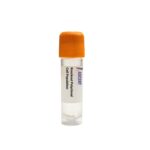
The CRTC3 Knockout Raji Polyclonal Cells are a CRISPR/Cas9-edited polyclonal knockout cell population with targeted disruption of the CRTC3 gene, providing a loss-of-function model for studying CRTC3-dependent signaling and lymphomagenesis. This heterogeneous pool of edited cells avoids clonal selection artifacts and offers robust representation of knockout effects across the population, making it suitable for a range of biochemical and functional assays.
The parental Raji cell line is an EBV-positive B lymphocyte line derived from Burkitt lymphoma, harboring the characteristic t(8;14) translocation that deregulates c-MYC. Raji cells serve as a widely used model for B lymphocyte biology and Burkitt lymphoma, enabling studies of oncogenic signaling and metabolic reprogramming in a clinically relevant B-cell context.
CRTC3 acts as a transcriptional coactivator that integrates cAMP and energy stress signals to drive CREB-dependent gene expression. Its activity is controlled by phosphorylation from upstream kinases including AMPK and SIK2, downstream of LKB1 and calcium signaling. Upon dephosphorylation, CRTC3 translocates to the nucleus and associates with CREB, EP300/CBP, and other bZIP transcription factors to activate targets such as PCK1, G6PC, and PGC-1??, thereby regulating energy metabolism and cell survival. Inhibition occurs via cAMP/PKA-mediated SIK2 activation, which promotes CRTC3 phosphorylation and cytoplasmic retention.
Knockout of CRTC3 in Raji B lymphocytes disrupts CREB-mediated transcription, potentially impairing proliferation, survival, and metabolic adaptation. This model allows dissection of the contribution of CREB coactivators to B-cell lymphoma biology, including mechanisms of drug resistance and metabolic plasticity, and provides insight into the interplay between CRTC3 and c-MYC-driven oncogenic pathways.
Research applications include investigating CRTC3??s role in B-cell lymphoma proliferation and survival, studying CREB signaling in lymphomagenesis, metabolic reprogramming in cancer, drug target validation for lymphoma therapy, and high-throughput screening of CREB pathway inhibitors. Representative assays with these cells encompass Western blotting for CRTC3 and CREB targets, RT-qPCR, ChIP-qPCR for CREB occupancy, immunofluorescence, flow cytometry for apoptosis and cell cycle, ATP-based viability assays, migration/invasion assays, and drug sensitivity testing. For further information, please contact Ascent Research.