Quick Order Cart

Cat. No. ARG43800

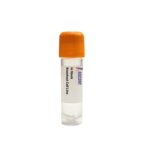
CTNNBIP1 Knockout HL-60 Cell Line

  • Product Type:

    In Stock Cell Lines

  • Species:

    Homo sapiens (Human)

  • Tissue Source:

    Blood (peripheral blood)

  • Disease:

    Acute myeloid leukemia (AML)

The CTNNBIP1 Knockout HL-60 Cell Line is a CRISPR/Cas9-edited loss-of-function model derived from human promyelocytic leukemia HL-60 cells. The CTNNBIP1 gene encodes ICAT, an inhibitor of ??-catenin/TCF signaling that disrupts the assembly of transcriptionally active complexes containing ??-catenin (CTNNB1) and TCF/LEF factors such as TCF7L2, thereby repressing Wnt target genes like MYC and CCND1. This knockout line enables investigation of de-regulated Wnt pathway activity in acute myeloid leukemia, a disease often associated with ??-catenin-dependent stem cell maintenance. Applications include functional genomics, drug screening for Wnt modulators, differentiation studies monitoring markers like CD11b/CD14, and mechanistic dissection of ??-catenin/TCF transcriptional regulation.

Inquire Now

In stock

Ships next business day


Ask a Question

Shipping Info:

Cryopreserved in vials and shipped on dry ice


Disclaimer:

For Research Use Only

  • Characteristics

    Host Cell

    HL-60

    Sex of Donor

    Female

    Derived From Site

    In situ; Peripheral blood

    Gene Name

    CTNNBIP1

    Gene Identifier

    NCBI Gene ID 56998

    Growth Mode

    Suspension

    Storage

    Liquid nitrogen (LN2)

  • Culture Conditions

    Temperature

    37°C

    Atmosphere

    5% COâ‚‚

  • Quality Control

    Sterility testing

    The bacterial, yeast, and fungi are not detected in these cells by daily monitor.

    Mycoplasma testing

    Negative for mycoplasma through PCR analysis

  • Disclaimer

    Intended Use

    This product is intended for laboratory in vitro use only. It is not intended for diagnostic, therapeutic, or clinical applications.

    Disclaimer

    Ascent Research endeavors to provide accurate and up-to-date product information. However, no warranties or representations are made regarding its completeness or reliability. References to scientific literature and patents are for informational purposes only, and the customer assumes sole responsibility for verifying their accuracy.

    By accepting this product, the customer acknowledges and agrees to assume all risks associated with its receipt, handling, storage, disposal, and use, including compliance with all applicable safety and environmental regulations and precautions. Relevant laws, regulations, and ethical guidelines must be followed in conducting any research, modifications, or derivatives derived from this product.

    This product is provided "AS IS", and except as expressly stated herein, Ascent Research disclaims all other warranties, express or implied. Under no circumstances shall Ascent Research, its affiliates, or representatives be liable for indirect, incidental, consequential, or punitive damages arising from the use of this material. While Ascent Research employs rigorous quality control measures, we shall not be held responsible for damages resulting from misidentification or misinterpretation of the provided materials.

Description

The CTNNBIP1 Knockout HL-60 Cell Line is a CRISPR/Cas9-edited human cell model in which the coding sequence of CTNNBIP1 has been disrupted to produce a loss-of-function allele. Derived from the HL-60 promyelocytic leukemia line, this knockout cell line provides a genetically defined system for analyzing ICAT (inhibitor of ??-catenin and TCF), a key negative regulator of the canonical Wnt signaling axis. By abolishing endogenous CTNNBIP1 expression, the model allows researchers to interrogate the functional consequences of removing this repressive checkpoint on ??-catenin/TCF-mediated transcription in a leukemic background.

The parental HL-60 cell line was established from the peripheral blood of a 36-year-old female diagnosed with acute promyelocytic leukemia (AML M3 subtype). HL-60 cells are extensively used as an in vitro model for myeloid biology because they can be induced to differentiate into granulocytic or monocytic lineages following treatment with retinoic acid, dimethyl sulfoxide, or phorbol esters. They harbor the t(15;17)(q22;q21) translocation that generates the PML-RARA fusion protein, which arrests cells at the promyelocyte stage. This genetic background offers a unique context to explore how aberrant signaling pathways, including the Wnt cascade, interact with the differentiation block and contribute to leukemogenesis.

CTNNBIP1 encodes ICAT, an inhibitor of ??-catenin/TCF-mediated transcription. ICAT binds the armadillo repeats of ??-catenin (CTNNB1) and blocks its association with TCF/LEF factors such as TCF7L2 and LEF1. In canonical Wnt signaling, WNT3A stimulation activates Frizzled/LRP6 receptors, leading to DVL2-mediated inhibition of the AXIN1-APC-GSK3B destruction complex and stabilization of ??-catenin. Nuclear ??-catenin partners with TCF7L2 and LEF1 to induce targets including MYC, CCND1, and AXIN2. ICAT counteracts this process by competing for ??-catenin binding, maintaining transcriptional repression. Knockout of CTNNBIP1 eliminates this brake, leading to sustained ??-catenin/TCF signaling.

Within the HL-60 leukemia model, CTNNBIP1 knockout provides a means to directly assess the contribution of ICAT to the control of ??-catenin activity. Sustained ??-catenin/TCF signaling has been implicated in the maintenance of leukemia stem cells and in the pathogenesis of AML, often cooperating with oncoproteins such as PML-RARA. By comparing knockout and wild-type HL-60 cells, investigators can determine whether loss of ICAT alters proliferation kinetics, differentiation capacity, or sensitivity to chemotherapeutic agents. This system is thus valuable for elucidating the mechanisms by which Wnt pathway dysregulation influences myeloid transformation and for validating ??-catenin/TCF as a therapeutic target in leukemia.

This cell line supports diverse applications: quantitative Wnt pathway assessment via TOP/FOP Flash reporter assays; gene expression analysis of targets (MYC, CCND1, AXIN2) by RT-qPCR; protein-level validation by Western blot; and differentiation phenotyping by flow cytometry for CD11b and CD14. It is also amenable to RNA-seq for transcriptome-wide discovery and high-throughput chemical screening for Wnt modulators. The CTNNBIP1 Knockout HL-60 Cell Line is an essential resource for dissecting Wnt-driven leukemogenesis and evaluating therapeutic candidates. For further information, please contact Ascent Research.


Reset Password

    Reach Us Questions? Click Me Here!

    Fill out the form below and a member of our team will contact you shortly!

    *Required field


      Reach Us

      Fill out the form below and a member of our team will contact you shortly!

      *Required field

      Product Inquiry (Optional)