Security Notice: Please be aware of impersonation attempts using our company name
Legitimate communications from Ascent Research will only come from official @ascentresearch.com email addresses.
Quick Order Cart

Cat. No. ARG0531

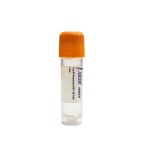
Cxcl9 Knockout MC-38 Cell Line

  • Product Type:

    Genome-edited Cells

  • Tissue Source:

    Large intestine (colon)

  • Gene Species:

    Mus musculus (Mouse)

The Cxcl9 Knockout MC-38 Cell Line is a CRISPR/Cas9-edited cell line derived from MC-38 mouse colon adenocarcinoma cells. It carries a targeted disruption of the Cxcl9 gene, which encodes the chemokine CXCL9, a critical mediator of CD8+ T cell and NK cell recruitment through the CXCR3 receptor. This knockout model facilitates study of CXCL9-dependent immune cell trafficking and antitumor immunity in colorectal cancer. CXCL9 signals via JAK2/STAT1 and PI3K-AKT pathways and is regulated by IFN-??. The knockout line is suited for investigating immune checkpoint therapy responses, chemokine signaling, and tumor?Cimmune dynamics using transwell migration, flow cytometry, and in vivo tumor models.

Inquire Now

In stock

Ships next business day


Ask a Question

Shipping Info:

Cryopreserved in vials and shipped on dry ice


Disclaimer:

For Research Use Only

  • Characteristics

    Host Cell

    MC-38

    Morphology

    Epithelial-like

    Age

    Unknown

    Sex of Donor

    Female

    Gene Name

    Cxcl9

    Gene Species

    Mus musculus (Mouse)

    Gene Identifier

    NCBI Gene ID 17329

  • Culture Conditions

    Temperature

    37°C

    Atmosphere

    5% CO₂

  • Quality Control

    Sterility testing

    Daily monitoring confirms that the cells are free from bacterial, yeast, and fungal contamination.

    Mycoplasma testing

    Negative for mycoplasma through PCR analysis

    Pathogens

    Cells tested negative for HIV-1, HBV, and HCV.

  • Disclaimer

    Intended Use

    This product is intended for laboratory in vitro use only. lt is not intended for diagnostic, therapeutic, or clinical applications.

    Disclaimer

    Ascent Research endeavors to provide accurate and up-to-date product information. However, no warranties or representations are made regarding its completeness or reliability. References to scientific literature and patents are for informational purposes only, and the customer assumes sole responsibility for verifying their accuracy.

    By accepting this product, the customer acknowledges and agrees to assume all risks associated with its receipt, handling, storage, disposal, and use, including compliance with all applicable safety and environmental regulations and precautions. Relevant laws, regulations, and ethical guidelines must be followed in conducting any research, modifications, or derivatives derived from this product.

    This product is provided "AS IS", and except as expressly stated herein, Ascent Research disclaims all other warranties, express or implied. Under no circumstances shall Ascent Research, its affiliates, or representatives be liable for indirect, incidental, consequential, or punitive damages arising from the use of this material. While Ascent Research employs rigorous quality control measures, we shall not be held responsible for damages resulting from misidentification or misinterpretation of the provided materials.

Description

The Cxcl9 Knockout MC-38 Cell Line is a CRISPR/Cas9-edited knockout cell line derived from MC-38 mouse colon adenocarcinoma cells. It features targeted disruption of the Cxcl9 gene, encoding the chemokine CXCL9, a key immune cell recruiter. This model allows dissection of CXCL9-dependent immune modulation in tumors. The CRISPR/Cas9 approach yields stable gene disruption without transgenes. MC-38 cells, from C57BL/6 mice via chemical carcinogenesis, are widely used in colorectal cancer and immunotherapy research. These cells form tumors in syngeneic hosts, enabling study of tumor?Cimmune interactions. They express neoantigens and respond to checkpoint blockade, central to immune evasion studies. The Cxcl9 knockout derivative retains parental features while lacking CXCL9, enabling comparative analyses. CXCL9 is an interferon-?? (IFN-??)-inducible chemokine that signals through the CXCR3 receptor to direct migration of CD8+ T cells and NK cells into tumors. Transcriptional activation primarily involves IFN-??/STAT1, with synergistic input from TNF-?? and IL-1??. Upon binding, CXCR3 activates JAK2, leading to STAT1 phosphorylation, along with PI3K-AKT and ERK1/2 MAPK cascades. CXCL9 also interacts with glycosaminoglycans to establish chemotactic gradients. In the knockout, absence of CXCL9 abolishes these signaling events, potentially reducing immune cell recruitment and altering the balance of effector and regulatory cells within the tumor microenvironment. In the MC-38 colon adenocarcinoma model, tumor-derived CXCL9 is critical for immune-mediated control, as it recruits CXCR3-expressing effector lymphocytes that suppress tumor growth and boost responses to immunotherapies, including anti-PD-1 and anti-PD-L1 agents. The Cxcl9 knockout cell line provides a defined system to investigate how loss of this chemokine reshapes the tumor immune microenvironment, typically resulting in decreased infiltration of CD8+ T cells and NK cells, enhanced tumor progression, and resistance to checkpoint blockade. This model enables dissection of CXCL9-dependent versus independent immune surveillance mechanisms and identification of compensatory pathways tumors exploit for immune evasion. Researchers can utilize the Cxcl9 Knockout MC-38 Cell Line in diverse experimental contexts, including in vitro Transwell chemotaxis assays to assess immune cell migration, ELISA-based quantification of altered chemokine profiles, flow cytometric phenotyping of tumor-infiltrating immune cell subsets, and RT-qPCR analysis of chemokine and immune checkpoint gene expression. Co-culture and cytokine profiling experiments can reveal how loss of CXCL9 alters paracrine signaling networks between tumor cells and immune components. In vivo, implantation into syngeneic C57BL/6 mice allows longitudinal monitoring of tumor growth kinetics, immune infiltration dynamics, and responses to immunotherapies. This model is particularly suited for dissecting mechanisms underlying resistance to immune checkpoint inhibitors and evaluating combination strategies aimed at restoring CXCL9-mediated antitumor immunity. For further technical details and ordering information, please contact Ascent Research.

Reset Password

    Reach Us Questions? Click Me Here!

    Fill out the form below and a member of our team will contact you shortly!

    *Required field


      Reach Us

      Fill out the form below and a member of our team will contact you shortly!

      *Required field

      Product Inquiry (Optional)