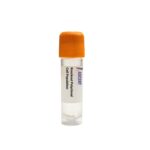
The CYB5R3 Knockout Raji Polyclonal Cells represent a CRISPR/Cas9-edited polyclonal knockout cell population designed for loss-of-function studies of the CYB5R3 gene. This product provides a genetically heterogeneous pool of Raji B lymphocytes harboring targeted disruptions in CYB5R3, enabling robust assessment of gene function without clonal bias. The polyclonal editing strategy ensures biological relevance by capturing diverse mutational events, making it suitable for pooled analysis or isolation of subpopulations with distinct phenotypic profiles.
The Raji host cell line is an Epstein-Barr virus (EBV)-positive human Burkitt lymphoma-derived B lymphocyte model. These neoplastic B cells exhibit high proliferative capacity and active lipid metabolism, making them an ideal system for studying oncogenic signaling, B-cell receptor pathways, and metabolic reprogramming in hematologic malignancies. The Raji line is widely utilized in immunology and cancer research due to its stable growth and well-characterized genetic background.
CYB5R3 encodes NADH-cytochrome b5 reductase, an FAD-containing enzyme that catalyzes the transfer of electrons from NADH to cytochrome b5. This reaction fuels fatty acid desaturation by stearoyl-CoA desaturase (SCD) and fatty acid desaturase 2 (FADS2), drives cholesterol biosynthesis through 7-dehydrocholesterol reductase (DHCR7), and maintains hemoglobin in its reduced state by converting methemoglobin. The enzyme is regulated by oxidative stress-responsive transcription factors such as NRF2 and SREBP1, and interacts directly with FAD and cytochrome b5. In Raji cells, CYB5R3 links redox homeostasis, de novo lipogenesis, and membrane lipid composition, with downstream effects on cytochrome P450-mediated drug metabolism.
Disruption of CYB5R3 in Raji B lymphocytes perturbs electron flow to cytochrome b5, impairing lipid desaturation and cholesterol synthesis. This may alter membrane fluidity, raft formation, and signaling platforms critical for B-cell receptor and oncogenic pathways. Given the role of CYB5R3 in methemoglobin reduction, the knockout model also provides a platform for studying oxidative stress responses and hemoprotein function in a malignant B-cell context. These polyclonal cells enable exploration of metabolic vulnerabilities in lymphoma and the interplay between lipid metabolism and neoplastic transformation.
Researchers can employ this knockout model for methemoglobinemia type II disease modeling, functional dissection of redox signaling in B lymphocytes, and pharmacological studies of CYB5R3-targeted interventions. Representative assays include RT-qPCR and Western blotting for expression analysis, fatty acid desaturation and cholesterol synthesis assays to measure metabolic output, methemoglobin reductase activity tests, and ROS detection. Lipidomics and drug metabolism profiling further expand its utility. For more information or to discuss tailored applications, please contact Ascent Research.