Quick Order Cart

Cat. No. ARG1458

CYP1B1 Knockout Raji Polyclonal Cells

  • Product Type:

    Polyclonal Cell Population

  • Species:

    Homo sapiens (Human)

  • Tissue Source:

    Bone

  • Disease:

    Burkitt lymphoma

CYP1B1 Knockout Raji Polyclonal Cells provide a CRISPR/Cas9-edited loss-of-function model in human B lymphocytes, eliminating CYP1B1-mediated estrogen hydroxylation and procarcinogen activation. Derived from the EBV-positive Raji Burkitt's lymphoma line, this polyclonal population retains B-cell features for studies in immunology and cancer biology. CYP1B1, regulated by the aryl hydrocarbon receptor and estrogen receptor, generates reactive catechol estrogens and DNA adducts via interactions with POR and cytochrome b5. The knockout cells enable investigation of drug metabolism, oxidative stress, and hormone signaling in hematological contexts, with applications in toxicology, cancer research, and drug sensitivity screening.

Inquire Now

In stock

Ships next business day


Ask a Question

Shipping Info:

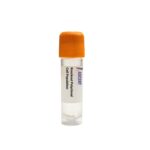
Cryopreserved in vials and shipped on dry ice


Disclaimer:

For Research Use Only

  • Characteristics

    Host Cell

    Raji

    Cell Type

    B cell line

    Sex of Donor

    Male

    Age

    11 years

    Derived From Site

    In situ; Maxilla

    Gene Name

    CYP1B1

    Gene Identifier

    NCBI Gene ID 1545

    Morphology

    Lymphoblast-like

    Growth Mode

    Suspension

    Storage

    Liquid nitrogen (LN2)

  • Culture Conditions

    Growth medium

    RPMI 1640

    Supplement(s)

    10% Fetal Bovine Serum, 1% Penicillin-Streptomycin Solution

    Temperature

    37°C

    Atmosphere

    5% COâ‚‚

  • Quality Control

    Sterility testing

    The bacterial, yeast, and fungi are not detected in these cells by daily monitor.

    Mycoplasma testing

    Negative for mycoplasma through PCR analysis

  • Disclaimer

    Intended Use

    This product is intended for laboratory in vitro use only. It is not intended for diagnostic, therapeutic, or clinical applications.

    Disclaimer

    Ascent Research endeavors to provide accurate and up-to-date product information. However, no warranties or representations are made regarding its completeness or reliability. References to scientific literature and patents are for informational purposes only, and the customer assumes sole responsibility for verifying their accuracy.

    By accepting this product, the customer acknowledges and agrees to assume all risks associated with its receipt, handling, storage, disposal, and use, including compliance with all applicable safety and environmental regulations and precautions. Relevant laws, regulations, and ethical guidelines must be followed in conducting any research, modifications, or derivatives derived from this product.

    This product is provided "AS IS", and except as expressly stated herein, Ascent Research disclaims all other warranties, express or implied. Under no circumstances shall Ascent Research, its affiliates, or representatives be liable for indirect, incidental, consequential, or punitive damages arising from the use of this material. While Ascent Research employs rigorous quality control measures, we shall not be held responsible for damages resulting from misidentification or misinterpretation of the provided materials.

Description

The CYP1B1 Knockout Raji Polyclonal Cells are a CRISPR/Cas9-edited polyclonal knockout cell population derived from the Raji B lymphocyte cell line, designed for targeted disruption of the CYP1B1 gene in a human Burkitt’s lymphoma background. This loss-of-function model eliminates CYP1B1 enzymatic activity without clonal selection, providing a heterogeneous pool of cells with targeted gene disruption suitable for studying gene function in a mixed population context. The polyclonal format retains the cellular diversity of the original Raji line while removing CYP1B1-dependent metabolic capabilities, enabling robust functional comparisons against wild-type controls.

Raji cells are an EBV-positive B lymphocyte line originating from a patient with Burkitt’s lymphoma, widely used in immunology and cancer research. These suspension cells express B-cell surface markers and exhibit key features of humoral immunity, including the capacity for antibody production and antigen presentation. The malignant B-cell background offers a relevant model for studying oncogenic signaling, lymphoid biology, and drug responses within the hematopoietic system. Raji cells maintain active metabolic and signaling pathways, making them a well-characterized host for gene-editing applications aimed at dissecting lymphocyte-specific functions.

CYP1B1 encodes a cytochrome P450 monooxygenase critical for the hydroxylation of diverse endogenous and xenobiotic substrates. It is transcriptionally activated by the aryl hydrocarbon receptor (AHR) upon exposure to ligands such as dioxin and is also regulated by estrogen receptor (ER) signaling, cAMP, and retinoic acid. CYP1B1 cooperates with NADPH-cytochrome P450 reductase (POR) and cytochrome b5 to catalyze the 4-hydroxylation of estradiol, generating catechol estrogens that can redox cycle to produce reactive oxygen species and form DNA adducts. This enzyme also bioactivates procarcinogens, contributing to genotoxic stress. Downstream targets include cell cycle regulators, and the pathway converges with detoxification systems such as COMT, GST, and NQO1, which further process the reactive metabolites.

In the Raji B-cell context, CYP1B1 knockout provides a unique tool to investigate estrogen catabolism, oxidative stress, and procarcinogen activation specifically within lymphocytes. The elimination of CYP1B1 activity allows researchers to assess its contribution to DNA damage, apoptosis, and metabolic reprogramming in a hematological cancer model. This system is particularly relevant for studying hormone-related malignancies and the role of B cells in the metabolism of steroid hormones and environmental carcinogens. By removing a key source of genotoxic metabolites, the knockout cells help clarify mechanisms of lymphomagenesis and cellular defense against oxidative insults.

Research applications include drug metabolism studies using LC-MS metabolite profiling, toxicological assays such as the EROD assay for CYP1 activity and comet assay for DNA damage, and functional analyses of estrogen signaling via Western blotting and RT-qPCR. The cells are also suited for cell viability (MTT) and apoptosis (flow cytometry) assays to evaluate drug sensitivity in hematological malignancies, as well as lipid peroxidation and immunocytochemistry studies. This model supports investigations into the interplay between CYP1B1 and pathways like AHR and estrogen signaling in a B-cell environment. For further details or to request a quotation, please contact Ascent Research.


Reset Password

    Reach Us Questions? Click Me Here!

    Fill out the form below and a member of our team will contact you shortly!

    *Required field


      Reach Us

      Fill out the form below and a member of our team will contact you shortly!

      *Required field

      Product Inquiry (Optional)