Quick Order Cart

Cat. No. ARG1117

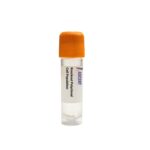
DCLK2 Knockout Raji Polyclonal Cells

  • Product Type:

    Polyclonal Cell Population

  • Species:

    Homo sapiens (Human)

  • Tissue Source:

    Bone

  • Disease:

    Burkitt lymphoma

CRISPR/Cas9-edited DCLK2 knockout polyclonal Raji cells provide a human B lymphoblastoid model for studying microtubule-associated kinase function in B-cell lymphoma. Derived from an EBV-positive Burkitt lymphoma line harboring the t(8;14) c-MYC translocation, these cells lack DCLK2, a regulator of ciliogenesis, migration, and proliferation that integrates Wnt/??-catenin and Hedgehog signaling through interactions with TCF/LEF transcription factors, IFT88, IFT140, and SMAD3. This polyclonal knockout population enables investigation of DCLK2-dependent signaling and phenotypic changes, supporting applications such as Western blotting, immunofluorescence of cilia, transwell migration assays, and luciferase-based pathway reporters. It is suitable for functional genomics screens, drug sensitivity profiling, and dissection of oncogenic mechanisms in B-cell malignancies.

Inquire Now

In stock

Ships next business day


Ask a Question

Shipping Info:

Cryopreserved in vials and shipped on dry ice


Disclaimer:

For Research Use Only

  • Characteristics

    Host Cell

    Raji

    Cell Type

    B cell line

    Sex of Donor

    Male

    Age

    11 years

    Derived From Site

    In situ; Maxilla

    Gene Name

    DCLK2

    Gene Identifier

    NCBI Gene ID 166614

    Morphology

    Lymphoblast-like

    Growth Mode

    Suspension

    Storage

    Liquid nitrogen (LN2)

  • Culture Conditions

    Growth medium

    RPMI 1640

    Supplement(s)

    10% Fetal Bovine Serum, 1% Penicillin-Streptomycin Solution

    Temperature

    37°C

    Atmosphere

    5% CO₂

  • Quality Control

    Sterility testing

    The bacterial, yeast, and fungi are not detected in these cells by daily monitor.

    Mycoplasma testing

    Negative for mycoplasma through PCR analysis

  • Disclaimer

    Intended Use

    This product is intended for laboratory in vitro use only. lt is not intended for diagnostic, therapeutic, or clinical applications.

    Disclaimer

    Ascent Research endeavors to provide accurate and up-to-date product information. However, no warranties or representations are made regarding its completeness or reliability. References to scientific literature and patents are for informational purposes only, and the customer assumes sole responsibility for verifying their accuracy.

    By accepting this product, the customer acknowledges and agrees to assume all risks associated with its receipt, handling, storage, disposal, and use, including compliance with all applicable safety and environmental regulations and precautions. Relevant laws, regulations, and ethical guidelines must be followed in conducting any research, modifications, or derivatives derived from this product.

    This product is provided "AS IS", and except as expressly stated herein, Ascent Research disclaims all other warranties, express or implied. Under no circumstances shall Ascent Research, its affiliates, or representatives be liable for indirect, incidental, consequential, or punitive damages arising from the use of this material. While Ascent Research employs rigorous quality control measures, we shall not be held responsible for damages resulting from misidentification or misinterpretation of the provided materials.

Description

The DCLK2 Knockout Raji Polyclonal Cells comprise a CRISPR/Cas9-edited human polyclonal knockout cell population derived from the Raji B lymphoblastoid cell line, engineered to disrupt the DCLK2 gene and create a loss-of-function model. This product enables the investigation of DCLK2-dependent cellular processes without introducing a single-cell clonal bias, preserving the inherent heterogeneity of the knockout pool. The polyclonal format is particularly suited for functional genomics screens and assays where population-level effects of DCLK2 disruption are analyzed, offering a versatile tool for researchers focused on microtubule-associated kinase signaling in lymphoma biology.

The Raji host cell line is an Epstein-Barr virus (EBV)-positive, B lymphoblastoid model established from a Burkitt lymphoma patient. It carries the characteristic t(8;14) chromosomal translocation that juxtaposes the c-MYC oncogene with the immunoglobulin heavy chain locus, driving constitutive c-MYC expression and malignant proliferation. As a widely used B-cell lymphoma model, Raji cells exhibit rapid growth and retain key B-cell lineage features, making them an appropriate platform to dissect the contribution of DCLK2 to lymphomagenesis and cancer cell signaling within a defined oncogenic background.

DCLK2 encodes a serine/threonine protein kinase that associates with microtubules and functions as a critical regulator of ciliogenesis, cell migration, and proliferation. Mechanistically, DCLK2 transduces signals downstream of Wnt/??-catenin pathway activation, where TCF/LEF transcription factors promote its expression, and it subsequently influences ciliary maintenance by interacting with intraflagellar transport proteins such as IFT88 and IFT140. It also participates in Hedgehog signaling, acting upstream of Smoothened (Smo) and Gli transcription factors. In addition, DCLK2 forms complexes with the dynein motor complex and SMAD3, linking microtubule dynamics to transforming growth factor-?? (TGF-??) pathway components. Through these interactions, DCLK2 phosphorylates and regulates cytoskeletal regulators and SMAD2/3, thereby coordinating motile and proliferative responses.

In the context of Raji B lymphoblastoid cells, DCLK2 knockout disrupts microtubule-associated ciliary functions and impairs the integrated Wnt/??-catenin and Hedgehog signaling networks that are often aberrantly active in B-cell lymphoma. Loss of DCLK2 is expected to attenuate TCF/LEF-driven transcription, reduce Gli-mediated hedgehog target gene expression, and diminish ciliary-dependent proliferative cues. Consequently, this model may exhibit reduced cell migration and proliferation, reflecting the kinase??s role in sustaining oncogenic signaling. The EBV-positive, c-MYC-driven background provides a clinically relevant setting to assess how DCLK2 loss modulates lymphoma cell behavior in the presence of established oncogenic drivers.

Researchers can utilize the DCLK2 Knockout Raji Polyclonal Cells in diverse experimental workflows, including Western blotting to confirm DCLK2 protein ablation, RT-qPCR to quantify target gene expression, and immunofluorescence staining for acetylated ??-tubulin to visualize ciliary structures. Functional assays such as transwell migration, Annexin V apoptosis flow cytometry, and Wnt/??-catenin or Hedgehog Gli-responsive luciferase reporter assays are directly applicable to characterize signaling outputs. These cells are ideal for identifying DCLK2-dependent drug sensitivities via compound screening and for conducting comparative proliferation studies. For further information, please contact Ascent Research.


Reset Password

    Reach Us Questions? Click Me Here!

    Fill out the form below and a member of our team will contact you shortly!

    *Required field


      Reach Us

      Fill out the form below and a member of our team will contact you shortly!

      *Required field

      Product Inquiry (Optional)