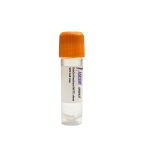
The Ddx3x Knockout NCTC clone 929 Cell Line is a CRISPR/Cas9-edited knockout cell line that provides a defined loss-of-function model for studying the DEAD-box RNA helicase Ddx3x in a mouse fibroblast background. This product consists of a stable cell line with targeted disruption of the Ddx3x gene, eliminating expression of the full-length protein. The knockout is achieved using CRISPR/Cas9-mediated gene disruption, generating a robust system for dissecting Ddx3x-dependent cellular processes. This model is suitable for applications in innate immunity, cancer biology, and RNA metabolism, offering a genetically clean platform without transient silencing or overexpression artifacts.
The parental cell line, NCTC clone 929, is a well-established mouse fibroblast line derived from C3H/An connective tissue. These fibroblasts exhibit typical mesenchymal morphology and are widely employed in biomedical research due to their robust growth characteristics and responsiveness to various stimuli. As connective tissue cells, they are particularly relevant for studying stromal biology, wound healing, and inflammatory responses. The NCTC clone 929 background provides a physiologically meaningful context for interrogating Ddx3x function in fibroblast-mediated immune signaling and stress responses, making it a valuable tool for both mechanistic and translational studies.
Ddx3x encodes an ATP-dependent RNA helicase that serves as a central regulator of innate immune signaling and gene expression. Upon viral infection, Ddx3x interacts with the adaptor protein MAVS and the kinases TBK1 and IKK??, facilitating phosphorylation and activation of IRF3, which in turn drives IFN-?? production. Concomitantly, Ddx3x modulates Wnt/??-catenin signaling by promoting ??-catenin nuclear translocation, thereby controlling cell proliferation. Additionally, Ddx3x associates with eIF4E and viral proteins such as NS3, and it participates in stress granule assembly, positioning it at the nexus of antiviral defense, oncogenic signaling, and cellular stress management. Representative pathway components affected by Ddx3x loss include RIG-I, MDA5, MAVS, TBK1, IKK??, and IRF3.
In the context of NCTC clone 929 fibroblasts, Ddx3x knockout enables precise dissection of its roles in innate immunity and stress responses. These cells, when challenged with viral dsRNA mimics or interferons, allow researchers to monitor defects in IRF3 activation, IFN-?? translation, and downstream antiviral gene expression. The absence of Ddx3x also impacts stress granule dynamics and Wnt/??-catenin-driven transcriptional programs, making this model suitable for studying fibroproliferative disorders and tumor microenvironment interactions. Such functional studies are enhanced by the fibroblast lineage, which is naturally responsive to tissue damage signals and is implicated in chronic inflammation and fibrosis.
This knockout cell line supports a wide range of experimental applications, including antiviral immunity studies, interferon signaling pathway analysis, cancer cell biology, and RNA metabolism research. Typical assays compatible with this model include western blotting, RT-qPCR, RNA-seq, co-immunoprecipitation, luciferase-based reporter assays, viral infection studies, and metabolic assays. It is particularly suited for screening small molecules that modulate innate immune pathways or Wnt signaling. Researchers can utilize this line to validate drug targets, explore virus?Chost interactions, and investigate the molecular basis of Ddx3x-related pathologies such as intellectual disability, medulloblastoma, and lymphoma. For further information or to inquire about this product, please contact Ascent Research.