Quick Order Cart

Cat. No. ARG1502

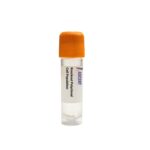
DHX34 Knockout Raji Polyclonal Cells

  • Product Type:

    Polyclonal Cell Population

  • Species:

    Homo sapiens (Human)

  • Tissue Source:

    Bone

  • Disease:

    Burkitt lymphoma

DHX34 Knockout Raji Polyclonal Cells are a CRISPR/Cas9-edited population of Raji B lymphocytes with disrupted DHX34, a DEAH-box RNA helicase essential for nonsense-mediated mRNA decay (NMD). This polyclonal model enables loss-of-function studies of the SURF complex, where DHX34 interacts with UPF1, eRF1, and eRF3 to eliminate PTC-containing transcripts. Derived from an EBV-positive Burkitt lymphoma line, these cells facilitate NMD research in B-cell lymphoma, viral latency, and RNA quality control. Applications include monitoring NMD substrates like GADD45B, assessing UPF1 phosphorylation, and screening NMD-targeted therapies.

Inquire Now

In stock

Ships next business day


Ask a Question

Shipping Info:

Cryopreserved in vials and shipped on dry ice


Disclaimer:

For Research Use Only

  • Characteristics

    Host Cell

    Raji

    Cell Type

    B cell line

    Sex of Donor

    Male

    Age

    11 years

    Derived From Site

    In situ; Maxilla

    Gene Name

    DHX34

    Gene Identifier

    NCBI Gene ID 9704

    Morphology

    Lymphoblast-like

    Growth Mode

    Suspension

    Storage

    Liquid nitrogen (LN2)

  • Culture Conditions

    Growth medium

    RPMI 1640

    Supplement(s)

    10% Fetal Bovine Serum, 1% Penicillin-Streptomycin Solution

    Temperature

    37°C

    Atmosphere

    5% COâ‚‚

  • Quality Control

    Sterility testing

    The bacterial, yeast, and fungi are not detected in these cells by daily monitor.

    Mycoplasma testing

    Negative for mycoplasma through PCR analysis

  • Disclaimer

    Intended Use

    This product is intended for laboratory in vitro use only. It is not intended for diagnostic, therapeutic, or clinical applications.

    Disclaimer

    Ascent Research endeavors to provide accurate and up-to-date product information. However, no warranties or representations are made regarding its completeness or reliability. References to scientific literature and patents are for informational purposes only, and the customer assumes sole responsibility for verifying their accuracy.

    By accepting this product, the customer acknowledges and agrees to assume all risks associated with its receipt, handling, storage, disposal, and use, including compliance with all applicable safety and environmental regulations and precautions. Relevant laws, regulations, and ethical guidelines must be followed in conducting any research, modifications, or derivatives derived from this product.

    This product is provided "AS IS", and except as expressly stated herein, Ascent Research disclaims all other warranties, express or implied. Under no circumstances shall Ascent Research, its affiliates, or representatives be liable for indirect, incidental, consequential, or punitive damages arising from the use of this material. While Ascent Research employs rigorous quality control measures, we shall not be held responsible for damages resulting from misidentification or misinterpretation of the provided materials.

Description

DHX34 Knockout Raji Polyclonal Cells represent a population of Raji B lymphocytes that have been engineered via CRISPR/Cas9-mediated gene disruption to introduce loss-of-function mutations in the DHX34 locus. This polyclonal knockout cell model provides a heterogeneous pool of edited cells, enabling robust functional studies of DHX34-dependent nonsense-mediated mRNA decay (NMD) in a human lymphoma background.

The Raji cell line is an EBV-positive Burkitt lymphoma-derived B-lymphocyte model that is extensively employed in investigations of B-cell biology, lymphomagenesis, and host-virus interactions. Its documented genomic and transcriptomic landscape, coupled with well-characterized signaling pathways, makes Raji cells a suitable host for dissecting RNA metabolism and translational control mechanisms in the context of B-cell malignancies.

DHX34 encodes a DEAH-box RNA helicase that is a core component of the NMD machinery. Upon recognition of a premature termination codon (PTC) by the terminating ribosome, DHX34 assembles into the SURF complex, which includes the SMG1 kinase, the RNA helicase UPF1, and the eukaryotic release factors eRF1 and eRF3. DHX34 catalyzes ATP-dependent unwinding of RNA secondary structures, which enables phosphorylation of UPF1 by SMG1 and recruitment of the SMG5-SMG7 heterodimer. This cascade directs endonucleolytic cleavage and exonucleolytic decay of aberrant transcripts encoding truncated or potentially toxic proteins. Downstream targets include NMD substrates such as GADD45B, ATF4, and SRSF2, while regulatory inputs derive from PTC-bearing mRNAs and the exon junction complex.

In Raji B lymphocytes, disruption of DHX34 abrogates a critical node of the NMD pathway, leading to stabilization of PTC-containing transcripts that might otherwise be eliminated. This perturbation can unmask aberrant gene expression programs that contribute to lymphomagenesis, immune evasion, or viral latency. Because Raji cells harbor Epstein-Barr virus, the DHX34 knockout model additionally offers a unique system to investigate how viral factors intersect with host NMD to influence B-cell transformation and immune signaling.

Researchers can employ DHX34 Knockout Raji Polyclonal Cells to interrogate NMD dynamics through a variety of experimental approaches, including western blot analysis of DHX34 abundance and UPF1 phosphorylation status, RT-qPCR quantification of endogenous NMD substrates such as GADD45B and ATF4, and transcriptome-wide RNA-seq profiling to identify novel NMD targets in lymphoma. Co-immunoprecipitation assays enable mapping of DHX34 interactions with UPF1, SMG5, SMG7, and eRF factors, while luciferase-based PTC reporters provide a direct readout of NMD efficiency. Functional studies may include flow cytometric assessment of cell cycle progression or apoptosis following DHX34 loss, proliferation assays, and drug sensitivity screens with translational inhibitors to evaluate NMD-targeted therapeutic strategies. The polyclonal nature of the knockout population captures the cellular heterogeneity inherent in cancer models, facilitating robust and reproducible data collection. For technical information or ordering details, please contact Ascent Research.


Reset Password

    Reach Us Questions? Click Me Here!

    Fill out the form below and a member of our team will contact you shortly!

    *Required field


      Reach Us

      Fill out the form below and a member of our team will contact you shortly!

      *Required field

      Product Inquiry (Optional)