Quick Order Cart

Cat. No. ARG43826

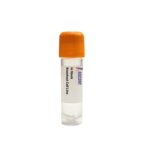
DPP4 Knockout IPEC-J2 Cell Line

  • Product Type:

    In Stock Cell Lines

The DPP4 Knockout IPEC-J2 Cell Line is a CRISPR/Cas9-edited porcine jejunal epithelial knockout model with targeted disruption of the DPP4 gene. DPP4 is a serine exopeptidase that regulates glucose homeostasis by degrading incretin hormones GLP-1 and GIP and modulates immune responses via chemokine processing (CXCL12, CCL5) and T-cell co-stimulation. In the IPEC-J2 background, this knockout line enables investigation of DPP4??s roles in intestinal barrier function, insulin secretion pathways, and NF-??B-mediated inflammation. Key applications include metabolic disease research, DPP4 inhibitor testing, and host-microbe interaction studies, using assays such as glucose uptake, TEER, and flow cytometry for CD26 surface expression.

Inquire Now

In stock

Ships next business day


Ask a Question

Shipping Info:

Cryopreserved in vials and shipped on dry ice


Disclaimer:

For Research Use Only

  • Characteristics

    Host Cell

    IPEC-J2

    Gene Name

    DPP4

    Gene Identifier

    NCBI Gene ID 397492

    Storage

    Liquid nitrogen (LN2)

  • Culture Conditions

    Temperature

    37°C

    Atmosphere

    5% CO₂

  • Quality Control

    Sterility testing

    The bacterial, yeast, and fungi are not detected in these cells by daily monitor.

    Mycoplasma testing

    Negative for mycoplasma through PCR analysis

  • Disclaimer

    Intended Use

    This product is intended for laboratory in vitro use only. lt is not intended for diagnostic, therapeutic, or clinical applications.

    Disclaimer

    Ascent Research endeavors to provide accurate and up-to-date product information. However, no warranties or representations are made regarding its completeness or reliability. References to scientific literature and patents are for informational purposes only, and the customer assumes sole responsibility for verifying their accuracy.

    By accepting this product, the customer acknowledges and agrees to assume all risks associated with its receipt, handling, storage, disposal, and use, including compliance with all applicable safety and environmental regulations and precautions. Relevant laws, regulations, and ethical guidelines must be followed in conducting any research, modifications, or derivatives derived from this product.

    This product is provided "AS IS", and except as expressly stated herein, Ascent Research disclaims all other warranties, express or implied. Under no circumstances shall Ascent Research, its affiliates, or representatives be liable for indirect, incidental, consequential, or punitive damages arising from the use of this material. While Ascent Research employs rigorous quality control measures, we shall not be held responsible for damages resulting from misidentification or misinterpretation of the provided materials.

Description

The DPP4 Knockout IPEC-J2 Cell Line is a CRISPR/Cas9-edited knockout cell line featuring targeted disruption of the DPP4 gene in the IPEC-J2 background. This loss-of-function model enables the investigation of DPP4-dependent processes in a physiologically relevant porcine intestinal epithelial context, without assumptions of specific editing outcomes.

The IPEC-J2 host cell line is a spontaneously immortalized, non-transformed porcine jejunal epithelial cell line widely used to model intestinal nutrient absorption, barrier integrity, and host?Cmicrobial interactions. Its epithelial origin and retention of key functional attributes make it a suitable platform for studying enterocyte biology and gut physiology in vitro.

DPP4 is a multifunctional serine exopeptidase that cleaves N-terminal dipeptides from a range of substrates, including the incretin hormones GLP-1 and GIP, thereby attenuating insulinotropic signaling through the GLP-1 receptor/GIP receptor?Cadenylate cyclase?CPKA?CCREB pathway. Beyond metabolic regulation, DPP4 functions as a co-stimulatory molecule in T-cell activation, interacting with ADA, caveolin-1, CD45, and the CD3 complex, and processing chemokines such as CXCL12 (SDF-1) and CCL5. DPP4 signaling integrates inputs from upstream regulators HNF1??, FoxO1, SREBP-1c, PPAR??, and inflammatory cytokines TNF-??, IL-6, and IFN-??, and its activity modulates NF-??B and Wnt/??-catenin pathways. Through interactions with fibronectin and collagen, DPP4 participates in extracellular matrix remodeling and cell adhesion.

In the IPEC-J2 knockout model, loss of DPP4 disrupts local incretin degradation, potentially enhancing GLP-1 and GIP availability and altering downstream insulin secretion responses. Concurrently, ablation of DPP4 impacts chemokine processing and T-cell co-stimulatory functions, affecting intestinal immune homeostasis and inflammation. The model also provides a tool to dissect DPP4-mediated modulation of barrier function, as DPP4 interacts with junctional and matrix proteins, influencing epithelial permeability and repair mechanisms.

This knockout cell line is suited for metabolic disorder research, including the evaluation of DPP4 inhibitor pharmacodynamics through glucose uptake and insulin secretion assays. Researchers can employ RT-qPCR, Western blotting, and enzyme activity measurements to validate DPP4 disruption and downstream effects. Barrier function can be assessed via transepithelial electrical resistance (TEER) measurements and cytokine secretion profiling, while cell migration and invasion assays probe DPP4 roles in extracellular matrix remodeling. Flow cytometric analysis of CD26 surface expression offers a direct readout of knockout efficiency. For further details or to discuss application-specific protocols, please contact Ascent Research.


Reset Password

    Reach Us Questions? Click Me Here!

    Fill out the form below and a member of our team will contact you shortly!

    *Required field


      Reach Us

      Fill out the form below and a member of our team will contact you shortly!

      *Required field

      Product Inquiry (Optional)