Quick Order Cart

Cat. No. ARG1327

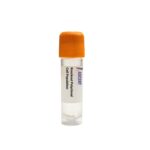
ENDOD1 Knockout Raji Polyclonal Cells

  • Product Type:

    Polyclonal Cell Population

  • Species:

    Homo sapiens (Human)

  • Tissue Source:

    Bone

  • Disease:

    Burkitt lymphoma

The ENDOD1 Knockout Raji Polyclonal Cells are a CRISPR/Cas9-edited polyclonal population derived from human Raji B-lymphoma cells, featuring targeted disruption of the ENDOD1 gene encoding a putative endonuclease. This loss-of-function model is designed to study ENDOD1's involvement in DNA repair and apoptosis, particularly through interactions with p53, caspase-3, and ??H2AX pathways. These cells provide a relevant system for investigating endonuclease functions in B-cell lymphoma, including DNA damage response, apoptotic DNA cleavage, and RNA metabolism. The polyclonal format enables robust population-level assays such as Western blotting, immunofluorescence, and viability analyses, facilitating research into lymphoma biology and therapeutic vulnerabilities.

Inquire Now

In stock

Ships next business day


Ask a Question

Shipping Info:

Cryopreserved in vials and shipped on dry ice


Disclaimer:

For Research Use Only

  • Characteristics

    Host Cell

    Raji

    Cell Type

    B cell line

    Sex of Donor

    Male

    Age

    11 years

    Derived From Site

    In situ; Maxilla

    Gene Name

    ENDOD1

    Gene Identifier

    NCBI Gene ID 23052

    Morphology

    Lymphoblast-like

    Growth Mode

    Suspension

    Storage

    Liquid nitrogen (LN2)

  • Culture Conditions

    Growth medium

    RPMI 1640

    Supplement(s)

    10% Fetal Bovine Serum, 1% Penicillin-Streptomycin Solution

    Temperature

    37°C

    Atmosphere

    5% COâ‚‚

  • Quality Control

    Sterility testing

    The bacterial, yeast, and fungi are not detected in these cells by daily monitor.

    Mycoplasma testing

    Negative for mycoplasma through PCR analysis

  • Disclaimer

    Intended Use

    This product is intended for laboratory in vitro use only. It is not intended for diagnostic, therapeutic, or clinical applications.

    Disclaimer

    Ascent Research endeavors to provide accurate and up-to-date product information. However, no warranties or representations are made regarding its completeness or reliability. References to scientific literature and patents are for informational purposes only, and the customer assumes sole responsibility for verifying their accuracy.

    By accepting this product, the customer acknowledges and agrees to assume all risks associated with its receipt, handling, storage, disposal, and use, including compliance with all applicable safety and environmental regulations and precautions. Relevant laws, regulations, and ethical guidelines must be followed in conducting any research, modifications, or derivatives derived from this product.

    This product is provided "AS IS", and except as expressly stated herein, Ascent Research disclaims all other warranties, express or implied. Under no circumstances shall Ascent Research, its affiliates, or representatives be liable for indirect, incidental, consequential, or punitive damages arising from the use of this material. While Ascent Research employs rigorous quality control measures, we shall not be held responsible for damages resulting from misidentification or misinterpretation of the provided materials.

Description

The ENDOD1 Knockout Raji Polyclonal Cells are a CRISPR/Cas9-edited polyclonal population from the Raji B-lymphocyte line, designed for loss-of-function studies of the ENDOD1 gene encoding a putative endonuclease. This polyclonal knockout pool provides robust population-level analysis, avoiding clonal selection biases. The gene disruption was achieved using CRISPR/Cas9 technology, generating a heterogeneous mixture with targeted ablation of ENDOD1, enabling functional investigation without mechanistic editing details.

The Raji cell line is a suspension-growing human Burkitt lymphoma model established from an EBV-positive patient. Raji cells exhibit an activated B-cell phenotype and are widely employed to study B-cell lymphomagenesis, oncogenic signaling, and virus-driven transformation. Their EBV-positive status permits exploration of viral contributions to apoptosis dysregulation and DNA repair. This line has been extensively used in DNA damage response and apoptosis research, providing a relevant background for endonuclease studies.

ENDOD1 encodes a nuclear-localized protein with predicted endonuclease activity, participating in nucleic acid metabolism, DNA repair, and apoptotic execution. It is regulated upstream by p53 in response to DNA damage and apoptotic stimuli, and it interacts with nuclear proteins and DNA repair factors to maintain genomic integrity. During apoptosis, ENDOD1 is thought to mediate DNA fragmentation through cooperation with caspase-3, leading to PARP cleavage and ??H2AX focus formation. Its involvement in ATM-mediated checkpoint signaling further links endonuclease function to both repair and cell death. Knockout of ENDOD1 disrupts these processes, potentially impairing DNA repair and apoptotic DNA cleavage, thereby altering survival and genomic stability in B-lymphoma cells.

In Raji cells, ENDOD1 knockout enables dissection of endonuclease functions in the context of lymphoma biology. Loss of ENDOD1 may sensitize cells to DNA-damaging agents or promote genomic instability, offering insight into therapeutic targets. The model facilitates investigation of how endonuclease deficiency impacts EBV-driven lymphomagenesis and maintains the malignant phenotype, combining the unique properties of this line with targeted gene disruption.

Applications include Western blotting for apoptosis markers (cleaved caspase-3, PARP), ??H2AX immunofluorescence for DNA damage foci, and cell viability assays under genotoxic stress. Subcellular fractionation and nuclease activity assays assess endonuclease function directly, while RNA-seq reveals transcriptomic consequences. These cells are ideal for studying endonuclease roles in apoptosis, DNA repair, and RNA metabolism in B-cell lymphoma. For further details or specific experimental inquiries, please contact Ascent Research.


Reset Password

    Reach Us Questions? Click Me Here!

    Fill out the form below and a member of our team will contact you shortly!

    *Required field


      Reach Us

      Fill out the form below and a member of our team will contact you shortly!

      *Required field

      Product Inquiry (Optional)