Quick Order Cart

Cat. No. ARG1732

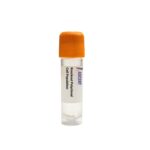
FBXO3 Knockout Raji Polyclonal Cells

  • Product Type:

    Polyclonal Cell Population

  • Species:

    Homo sapiens (Human)

  • Tissue Source:

    Bone

  • Disease:

    Burkitt lymphoma

FBXO3 Knockout Raji Polyclonal Cells are a CRISPR/Cas9-edited polyclonal knockout cell population derived from the human Raji B lymphocyte line, featuring disruption of the FBXO3 gene. FBXO3 functions as the substrate recognition subunit of the SCF (SKP1-CUL1-RBX1) ubiquitin ligase, targeting FBXL2 for degradation to stabilize cyclin D2 and sustain NF-??B signaling. This knockout model enables detailed investigation of cell cycle progression and ubiquitin-proteasome regulation in an EBV-positive Burkitt lymphoma context. Key applications include western blotting for cyclin D2 and phosphorylated p65, cell cycle analysis, and drug target validation studies for B-cell malignancies.

Inquire Now

In stock

Ships next business day


Ask a Question

Shipping Info:

Cryopreserved in vials and shipped on dry ice


Disclaimer:

For Research Use Only

  • Characteristics

    Host Cell

    Raji

    Cell Type

    B cell line

    Sex of Donor

    Male

    Age

    11 years

    Derived From Site

    In situ; Maxilla

    Gene Name

    FBXO3

    Gene Identifier

    NCBI Gene ID 26273

    Morphology

    Lymphoblast-like

    Growth Mode

    Suspension

    Storage

    Liquid nitrogen (LN2)

  • Culture Conditions

    Growth medium

    RPMI 1640

    Supplement(s)

    10% Fetal Bovine Serum, 1% Penicillin-Streptomycin Solution

    Temperature

    37°C

    Atmosphere

    5% CO₂

  • Quality Control

    Sterility testing

    The bacterial, yeast, and fungi are not detected in these cells by daily monitor.

    Mycoplasma testing

    Negative for mycoplasma through PCR analysis

  • Disclaimer

    Intended Use

    This product is intended for laboratory in vitro use only. lt is not intended for diagnostic, therapeutic, or clinical applications.

    Disclaimer

    Ascent Research endeavors to provide accurate and up-to-date product information. However, no warranties or representations are made regarding its completeness or reliability. References to scientific literature and patents are for informational purposes only, and the customer assumes sole responsibility for verifying their accuracy.

    By accepting this product, the customer acknowledges and agrees to assume all risks associated with its receipt, handling, storage, disposal, and use, including compliance with all applicable safety and environmental regulations and precautions. Relevant laws, regulations, and ethical guidelines must be followed in conducting any research, modifications, or derivatives derived from this product.

    This product is provided "AS IS", and except as expressly stated herein, Ascent Research disclaims all other warranties, express or implied. Under no circumstances shall Ascent Research, its affiliates, or representatives be liable for indirect, incidental, consequential, or punitive damages arising from the use of this material. While Ascent Research employs rigorous quality control measures, we shall not be held responsible for damages resulting from misidentification or misinterpretation of the provided materials.

Description

The FBXO3 Knockout Raji Polyclonal Cells product provides a CRISPR/Cas9-edited polyclonal knockout cell population in which the FBXO3 gene has been disrupted in the human Raji B lymphocyte cell line. This polyclonal knockout model is generated via CRISPR/Cas9-mediated gene disruption, yielding a heterogeneous pool of cells carrying loss-of-function mutations at the FBXO3 locus. The resulting knockout population serves as a powerful experimental system to dissect FBXO3-dependent signaling and its roles in B-cell biology and lymphomagenesis without monoclonal selection, thereby preserving phenotypic diversity that may reflect physiological heterogeneity.

The parental Raji cell line is derived from a Burkitt lymphoma patient and harbors the Epstein-Barr virus (EBV) genome. These suspension-adapted B lymphocytes retain antigen-presenting capabilities and are widely employed as a model for EBV-associated B-cell lymphomas. The EBV-positive background drives constitutive activation of survival and proliferation pathways, including NF-??B signaling, making Raji cells particularly suitable for interrogating oncogenic networks that underpin B-cell malignancies.

FBXO3 functions as the substrate recognition subunit of the SKP1-CUL1-RBX1 (SCF) E3 ubiquitin ligase complex. Within this SCF^FBXO3 assembly, FBXO3 selectively recruits the substrate FBXL2 for ubiquitination and subsequent proteasomal degradation. Degradation of FBXL2 stabilizes cyclin D2, which partners with CDK4 and CDK6 to promote G1/S cell cycle progression. Concurrently, FBXO3-mediated turnover of FBXL2 and possibly TRAF2/TRAF6 relieves negative regulation of NF-??B, enabling RELA/p65 transcriptional activity. Thus, FBXO3 operates as a positive regulator of cell cycle entry and NF-??B survival signaling, integrating upstream cues from MYC and NF-??B itself. Interacting factors such as SKP1, CUL1, and RBX1 constitute the core ligase machinery, while downstream targets include the tumor suppressors FBXL2 and the adaptor proteins TRAF2/TRAF6.

In the context of Raji cells, FBXO3 ablation disrupts a critical oncogenic hub that simultaneously drives proliferation and anti-apoptotic programs. Lymphoma cells constitutively deploy SCF^FBXO3 activity to accelerate cyclin D2 accumulation and sustain NF-??B signaling, both hallmarks of Burkitt lymphomagenesis. Therefore, this knockout model allows researchers to investigate the dependence of EBV-transformed B cells on the ubiquitin-proteasome system, to dissect cross-talk between cell cycle machinery and inflammatory signaling, and to evaluate the therapeutic potential of targeting the SCF^FBXO3 complex.

Key applications include western blotting for monitoring cyclin D2, FBXL2, and phospho-p65 levels; co-immunoprecipitation to confirm interactions between FBXO3 and SCF components; ubiquitination assays to track FBXL2 modification; flow-cytometric cell cycle analysis; NF-??B luciferase reporter assays; and proliferation assays under various stimuli. This knockout polyclonal population supports drug target validation studies, cancer biology investigations, and mechanistic research into ubiquitin-proteasome regulation in B-cell malignancies. For further technical information or inquiries about custom solutions, please contact Ascent Research.


Reset Password

    Reach Us Questions? Click Me Here!

    Fill out the form below and a member of our team will contact you shortly!

    *Required field


      Reach Us

      Fill out the form below and a member of our team will contact you shortly!

      *Required field

      Product Inquiry (Optional)