Quick Order Cart

Cat. No. ARG1142

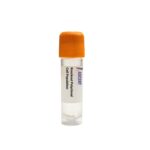
FILIP1L Knockout Raji Polyclonal Cells

  • Product Type:

    Polyclonal Cell Population

  • Species:

    Homo sapiens (Human)

  • Tissue Source:

    Bone

  • Disease:

    Burkitt lymphoma

The FILIP1L Knockout Raji Polyclonal Cells constitute a CRISPR/Cas9-edited polyclonal knockout cell population derived from human Raji B lymphocytes. This model disrupts the tumor suppressor gene FILIP1L, which interacts with Filamin A (FLNA) to modulate actin cytoskeleton dynamics, inhibit cell migration, and induce apoptosis. FILIP1L is frequently epigenetically silenced in various cancers. These cells enable investigation of FILIP1L function within TGF-?? signaling and B cell lymphoma pathology. They are suitable for Western blotting, flow cytometric apoptosis assays, Transwell migration studies, and drug sensitivity screening. The polyclonal format provides a robust loss-of-function model for cancer biology research.

Inquire Now

In stock

Ships next business day


Ask a Question

Shipping Info:

Cryopreserved in vials and shipped on dry ice


Disclaimer:

For Research Use Only

  • Characteristics

    Host Cell

    Raji

    Cell Type

    B cell line

    Sex of Donor

    Male

    Age

    11 years

    Derived From Site

    In situ; Maxilla

    Gene Name

    FILIP1L

    Gene Identifier

    NCBI Gene ID 11259

    Morphology

    Lymphoblast-like

    Growth Mode

    Suspension

    Storage

    Liquid nitrogen (LN2)

  • Culture Conditions

    Growth medium

    RPMI 1640

    Supplement(s)

    10% Fetal Bovine Serum, 1% Penicillin-Streptomycin Solution

    Temperature

    37°C

    Atmosphere

    5% CO₂

  • Quality Control

    Sterility testing

    The bacterial, yeast, and fungi are not detected in these cells by daily monitor.

    Mycoplasma testing

    Negative for mycoplasma through PCR analysis

  • Disclaimer

    Intended Use

    This product is intended for laboratory in vitro use only. lt is not intended for diagnostic, therapeutic, or clinical applications.

    Disclaimer

    Ascent Research endeavors to provide accurate and up-to-date product information. However, no warranties or representations are made regarding its completeness or reliability. References to scientific literature and patents are for informational purposes only, and the customer assumes sole responsibility for verifying their accuracy.

    By accepting this product, the customer acknowledges and agrees to assume all risks associated with its receipt, handling, storage, disposal, and use, including compliance with all applicable safety and environmental regulations and precautions. Relevant laws, regulations, and ethical guidelines must be followed in conducting any research, modifications, or derivatives derived from this product.

    This product is provided "AS IS", and except as expressly stated herein, Ascent Research disclaims all other warranties, express or implied. Under no circumstances shall Ascent Research, its affiliates, or representatives be liable for indirect, incidental, consequential, or punitive damages arising from the use of this material. While Ascent Research employs rigorous quality control measures, we shall not be held responsible for damages resulting from misidentification or misinterpretation of the provided materials.

Description

The FILIP1L Knockout Raji Polyclonal Cells comprise a CRISPR/Cas9-edited polyclonal knockout cell population derived from the Raji B lymphocyte cell line. This product provides a genetically disrupted model of the FILIP1L gene, enabling loss-of-function studies. The polyclonal format captures a diverse array of editing events across the cell population, facilitating robust functional characterization without single-cell cloning. These cells are suitable for investigating tumor-suppressive mechanisms mediated by FILIP1L in a B cell lymphoma background.

Raji cells are a widely utilized human B lymphocyte line originally established from a Burkitt??s lymphoma patient. As a model for B cell malignancies, Raji cells recapitulate key features of aggressive lymphomas and serve as a platform for immunological and oncogenic signaling research. Their rapid proliferation and defined genetic background make them ideal for CRISPR-based gene disruption studies aimed at dissecting molecular pathways in B cell lymphomagenesis.

FILIP1L (Filamin A Interacting Protein 1-Like) functions as a putative tumor suppressor, exerting its effects primarily through interaction with Filamin A (FLNA) and modulation of the actin cytoskeleton. By binding FLNA, FILIP1L regulates actin dynamics, thereby inhibiting cell migration and invasion. Its expression is frequently silenced in cancers via promoter methylation, and its re-expression triggers apoptosis through caspase-3/7 activation. Upstream, TGF-?? signaling via SMAD2/3 can transcriptionally modulate FILIP1L, while downstream effects impinge on ??-catenin signaling and actin reorganization. The mechanistic network positions FILIP1L at the intersection of TGF-??-mediated growth suppression and cytoskeletal control.

In the Raji lymphoma context, disruption of FILIP1L allows researchers to explore how loss of this tumor suppressor contributes to B cell lymphoma progression. The knockout model is particularly relevant for studying evasion of apoptosis, enhanced migratory capacity, and altered signaling through TGF-?? pathways??features that are often dysregulated in Burkitt??s lymphoma and other B cell malignancies. Combined with Raji??s aggressive phenotype, this system provides a powerful tool to examine the functional consequences of FILIP1L silencing in a cancer cell environment where it is normally epigenetically downregulated.

Researchers can employ this polyclonal knockout population in a wide array of assays. For instance, Western blotting and RT-qPCR can confirm FILIP1L disruption, while RNA-seq reveals transcriptome-wide changes. Functional studies benefit from flow cytometric analysis of apoptosis (Annexin V/PI) and cell cycle, Transwell migration and invasion assays, and immunofluorescence to visualize actin cytoskeleton remodeling. Co-immunoprecipitation can verify loss of FILIP1L?CFLNA interaction. Moreover, these cells are suited for drug sensitivity screening to identify compounds that selectively target FILIP1L-deficient lymphomas. For further information, please contact Ascent Research.


Reset Password

    Reach Us Questions? Click Me Here!

    Fill out the form below and a member of our team will contact you shortly!

    *Required field


      Reach Us

      Fill out the form below and a member of our team will contact you shortly!

      *Required field

      Product Inquiry (Optional)