Quick Order Cart

Cat. No. ARG1737

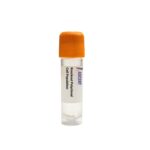
FOXRED1 Knockout Raji Polyclonal Cells

  • Product Type:

    Polyclonal Cell Population

  • Species:

    Homo sapiens (Human)

  • Tissue Source:

    Bone

  • Disease:

    Burkitt lymphoma

The FOXRED1 Knockout Raji Polyclonal Cells are a CRISPR/Cas9-edited polyclonal population derived from the human Raji B lymphoblast cell line, providing a loss-of-function model for studying mitochondrial complex I assembly. FOXRED1, a FAD-dependent flavoprotein, chaperones the incorporation of subunits such as NDUFS1 and NDUFV1, and its disruption impairs oxidative phosphorylation, elevates ROS, and activates the mitochondrial unfolded protein response. This EBV-positive Burkitt lymphoma model enables investigation of metabolic vulnerabilities in B-cell malignancies, redox signaling, and drug sensitivity testing with mitochondrial inhibitors. Typical applications include Seahorse respirometry, complex I enzymatic assays, and western blotting for NDUFAF1, ACAD9, and other assembly factors. Contact Ascent Research for inquiries.

Inquire Now

In stock

Ships next business day


Ask a Question

Shipping Info:

Cryopreserved in vials and shipped on dry ice


Disclaimer:

For Research Use Only

  • Characteristics

    Host Cell

    Raji

    Cell Type

    B cell line

    Sex of Donor

    Male

    Age

    11 years

    Derived From Site

    In situ; Maxilla

    Gene Name

    FOXRED1

    Gene Identifier

    NCBI Gene ID 55572

    Morphology

    Lymphoblast-like

    Growth Mode

    Suspension

    Storage

    Liquid nitrogen (LN2)

  • Culture Conditions

    Growth medium

    RPMI 1640

    Supplement(s)

    10% Fetal Bovine Serum, 1% Penicillin-Streptomycin Solution

    Temperature

    37°C

    Atmosphere

    5% CO₂

  • Quality Control

    Sterility testing

    The bacterial, yeast, and fungi are not detected in these cells by daily monitor.

    Mycoplasma testing

    Negative for mycoplasma through PCR analysis

  • Disclaimer

    Intended Use

    This product is intended for laboratory in vitro use only. lt is not intended for diagnostic, therapeutic, or clinical applications.

    Disclaimer

    Ascent Research endeavors to provide accurate and up-to-date product information. However, no warranties or representations are made regarding its completeness or reliability. References to scientific literature and patents are for informational purposes only, and the customer assumes sole responsibility for verifying their accuracy.

    By accepting this product, the customer acknowledges and agrees to assume all risks associated with its receipt, handling, storage, disposal, and use, including compliance with all applicable safety and environmental regulations and precautions. Relevant laws, regulations, and ethical guidelines must be followed in conducting any research, modifications, or derivatives derived from this product.

    This product is provided "AS IS", and except as expressly stated herein, Ascent Research disclaims all other warranties, express or implied. Under no circumstances shall Ascent Research, its affiliates, or representatives be liable for indirect, incidental, consequential, or punitive damages arising from the use of this material. While Ascent Research employs rigorous quality control measures, we shall not be held responsible for damages resulting from misidentification or misinterpretation of the provided materials.

Description

FOXRED1 Knockout Raji Polyclonal Cells are a CRISPR/Cas9-edited polyclonal knockout cell population derived from the human Raji B lymphoblast cell line. The FOXRED1 gene has been disrupted to create a loss-of-function model for studying mitochondrial complex I assembly and function. This polyclonal population preserves the genetic heterogeneity of edited cells, enabling robust representation of knockout effects downstream.

The parental Raji cell line is an Epstein-Barr virus (EBV)-positive Burkitt lymphoma model originating from a human male. These B lymphocytes grow in suspension and are widely used to investigate B-cell malignancies, viral oncogenesis, and immune cell signaling. The EBV-immortalized nature provides a stable and well-characterized background for interrogating metabolic dependencies in lymphomagenesis.

FOXRED1 encodes a FAD-dependent flavoprotein that functions as a molecular chaperone essential for the assembly of mitochondrial complex I. It interacts with assembly factors such as NDUFAF1, ACAD9, ECSIT, and TMEM126B, facilitating the incorporation of core subunits including NDUFS1, NDUFV1, and NDUFA9. FOXRED1 expression is regulated by mitochondrial biogenesis factors NRF1 and PGC-1??. Knockout of FOXRED1 disrupts complex I holoenzyme formation, impairing electron transport and oxidative phosphorylation, leading to reduced ATP synthesis, elevated reactive oxygen species (ROS), and activation of the mitochondrial unfolded protein response. Downstream effects involve destabilization of complex I subunits and altered redox homeostasis.

In the Raji B lymphoblast model, FOXRED1 knockout uncovers vulnerabilities associated with mitochondrial dysfunction in EBV-driven lymphomagenesis. Burkitt lymphoma cells exhibit high metabolic demands; disrupting complex I assembly forces metabolic rewiring and may sensitize cells to mitochondrial inhibitors. This model enables dissection of redox signaling pathways and their contribution to B-cell survival and transformation. It provides a physiologically relevant platform to study mitochondrial pathology in hematological malignancies and to assess candidate therapeutic interventions targeting the oxidative phosphorylation pathway.

Researchers can employ this knockout cell population to measure complex I enzymatic activity, perform blue native PAGE to assess supercomplex formation, and quantify oxygen consumption rates using Seahorse analyzers. Western blotting for NDUFS1, NDUFV1, and other subunits confirms assembly defects. Flow cytometry with mitochondrial membrane potential dyes and ROS indicators evaluate metabolic stress responses. Cell viability assays under glucose deprivation or in the presence of complex I inhibitors (e.g., rotenone) reveal metabolic vulnerabilities. This polyclonal knockout model is also suitable for screening small molecules that bypass complex I defects or modulate redox balance, as well as for transcriptomic and proteomic analyses of mitochondrial biogenesis factors including NRF1 and PGC-1??. For further details, please contact Ascent Research.


Reset Password

    Reach Us Questions? Click Me Here!

    Fill out the form below and a member of our team will contact you shortly!

    *Required field


      Reach Us

      Fill out the form below and a member of our team will contact you shortly!

      *Required field

      Product Inquiry (Optional)