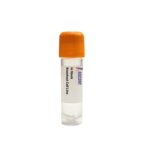
The Gba Knockout BV-2 Cell Line is a CRISPR/Cas9-edited knockout cell line designed for the study of lysosomal glucocerebrosidase function and neuroinflammatory processes. This product features targeted disruption of the murine Gba gene in BV-2 microglial cells, resulting in a loss-of-function model for investigating sphingolipid metabolism and autophagy-lysosomal pathway dysregulation.
The BV-2 host cell line is an immortalized murine neonatal microglial cell line derived from C57BL/6 mice, widely employed as a model for central nervous system immune surveillance and inflammatory mediator production. BV-2 cells retain key characteristics of primary microglia, including responsiveness to immune stimuli and phagocytic capacity, making them a robust system for neuroinflammation research.
GBA encodes lysosomal glucocerebrosidase, which hydrolyzes glucosylceramide to ceramide and glucose, a critical step in sphingolipid metabolism. The enzyme is regulated by the CLEAR network transcription factors TFEB, TFE3, and MITF, and its activity is facilitated by interacting partners such as saposin C and the lysosomal receptor LIMP-2/SCARB2. Downstream, GBA influences ceramide generation, autophagy flux, and ??-synuclein clearance. Knockout of Gba disrupts these processes, leading to accumulation of glucosylceramide and sphingolipid intermediates, impaired autophagic turnover marked by altered LC3B-I/II conversion and p62/SQSTM1 levels, and lysosomal dysfunction evident through changes in LAMP1, LAMP2, and cathepsin D processing.
In microglial cells, loss of GBA function mirrors key pathological features of Gaucher and Parkinson’s diseases, where lysosomal dysfunction and chronic neuroinflammation are central. The BV-2 knockout model recapitulates glucosylceramide accumulation, autophagy blockade, and heightened production of pro-inflammatory cytokines such as IL-1?? and TNF, providing a physiologically relevant platform for studying microglia-mediated neurodegeneration and lipid storage disorders.
Typical applications include neuroinflammation modeling, investigation of glucocerebrosidase-related pathologies such as Gaucher disease and Parkinson’s disease, and functional studies of autophagy-lysosomal dysfunction. The line is well-suited for drug screening of GBA modulators and anti-inflammatory compounds, with readouts including glucocerebrosidase enzymatic assays, lipidomic quantification of glucosylceramide, western blotting for LC3B and p62, and cytokine profiling by RT-qPCR or ELISA. Additional assays such as phagocytosis, LysoTracker-based lysosomal pH measurement, and apoptosis detection further expand its utility for characterizing microglial immune responses and lysosomal health. For further details, please contact Ascent Research.