Quick Order Cart

Cat. No. ARG1362

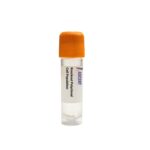
GC Knockout Raji Polyclonal Cells

  • Product Type:

    Polyclonal Cell Population

  • Species:

    Homo sapiens (Human)

  • Tissue Source:

    Bone

  • Disease:

    Burkitt lymphoma

The GC Knockout Raji Polyclonal Cells are a CRISPR/Cas9-edited B lymphoblast population carrying targeted disruptions in the GC gene, encoding vitamin D-binding protein (DBP). DBP transports vitamin D metabolites to cells, where they activate VDR-mediated transcription, and also scavenges extracellular actin and serves as a precursor for macrophage-activating factor. Generated in the EBV-positive Raji Burkitt??s lymphoma line, which expresses CD19, CD20, and CD22, this knockout model enables investigation of DBP??s roles in vitamin D metabolism, actin scavenging, and immune modulation. Typical applications involve Western blot, ELISA, flow cytometry, actin binding, and macrophage activation assays, supporting research in cancer, autoimmunity, and vitamin D biology.

Inquire Now

In stock

Ships next business day


Ask a Question

Shipping Info:

Cryopreserved in vials and shipped on dry ice


Disclaimer:

For Research Use Only

  • Characteristics

    Host Cell

    Raji

    Cell Type

    B cell line

    Sex of Donor

    Male

    Age

    11 years

    Derived From Site

    In situ; Maxilla

    Gene Name

    GC

    Gene Identifier

    NCBI Gene ID 2638

    Morphology

    Lymphoblast-like

    Growth Mode

    Suspension

    Storage

    Liquid nitrogen (LN2)

  • Culture Conditions

    Growth medium

    RPMI 1640

    Supplement(s)

    10% Fetal Bovine Serum, 1% Penicillin-Streptomycin Solution

    Temperature

    37°C

    Atmosphere

    5% COâ‚‚

  • Quality Control

    Sterility testing

    The bacterial, yeast, and fungi are not detected in these cells by daily monitor.

    Mycoplasma testing

    Negative for mycoplasma through PCR analysis

  • Disclaimer

    Intended Use

    This product is intended for laboratory in vitro use only. It is not intended for diagnostic, therapeutic, or clinical applications.

    Disclaimer

    Ascent Research endeavors to provide accurate and up-to-date product information. However, no warranties or representations are made regarding its completeness or reliability. References to scientific literature and patents are for informational purposes only, and the customer assumes sole responsibility for verifying their accuracy.

    By accepting this product, the customer acknowledges and agrees to assume all risks associated with its receipt, handling, storage, disposal, and use, including compliance with all applicable safety and environmental regulations and precautions. Relevant laws, regulations, and ethical guidelines must be followed in conducting any research, modifications, or derivatives derived from this product.

    This product is provided "AS IS", and except as expressly stated herein, Ascent Research disclaims all other warranties, express or implied. Under no circumstances shall Ascent Research, its affiliates, or representatives be liable for indirect, incidental, consequential, or punitive damages arising from the use of this material. While Ascent Research employs rigorous quality control measures, we shall not be held responsible for damages resulting from misidentification or misinterpretation of the provided materials.

Description

The GC Knockout Raji Polyclonal Cells consist of a CRISPR/Cas9-edited pool of Raji cells harboring heterogeneous disruptions in the GC gene, which encodes the vitamin D-binding protein (DBP). As a polyclonal population, the product offers a genetically diverse loss-of-function model free from clonal selection artifacts, enabling robust interrogation of GC function in a B lymphoblast background without imposing a single uniform mutation.

Raji cells are Epstein-Barr virus-immortalized B lymphoblasts originally derived from a Burkitt??s lymphoma patient. They express canonical B cell markers CD19, CD20, and CD22 and are widely employed as a model system for B cell malignancies, EBV biology, and humoral immunity. Their rapid growth and ease of genetic manipulation make them well-suited for CRISPR-based gene disruption studies.

The GC-encoded DBP is a serum protein that binds and transports vitamin D metabolites, including 25-hydroxyvitamin D3 and 1,25-dihydroxyvitamin D3. Uptake into cells is facilitated by megalin/cubilin receptors, whereupon DBP releases its cargo to bind the vitamin D receptor (VDR). VDR then dimerizes with RXR and transcriptionally regulates genes such as CYP24A1 and targets involved in immune cell differentiation. DBP also acts as an extracellular actin scavenger, preventing actin polymerization-induced toxicity, and can be converted to a macrophage-activating factor (MAF) that stimulates innate immunity. Upstream, GC expression is modulated by VDR signaling itself, as well as by IL-6, TNF-alpha, and glucocorticoids. The GC protein interacts with vitamin D metabolites, actin, C5a, and fatty acids, positioning it at the nexus of endocrine and immune signaling.

Loss of DBP in Raji cells disrupts the local transport and bioactivation of vitamin D metabolites, potentially altering VDR-driven gene programs that influence B cell proliferation, differentiation, and apoptosis. Additionally, abrogation of actin scavenging may sensitize cells to actin-mediated cytotoxicity, which is relevant to lymphoma pathology. The polyclonal knockout design captures a spectrum of mutational effects, providing a more physiologically relevant platform to study DBP??s role in B cell biology than a single clonal isolate.

Applications include vitamin D metabolism studies, immune cell function assays, and cancer biology research. GC disruption can be confirmed by Western blotting or RT-qPCR, while ELISA quantifies secreted DBP. Flow cytometry for CD19/CD20 validates B cell identity, and actin binding assays or co-immunoprecipitation assess the actin-scavenging function. Macrophage activation assays using conditioned medium enable studies of MAF production. The cells are also suitable for migration and chemotaxis experiments. For further technical information, please contact Ascent Research.


Reset Password

    Reach Us Questions? Click Me Here!

    Fill out the form below and a member of our team will contact you shortly!

    *Required field


      Reach Us

      Fill out the form below and a member of our team will contact you shortly!

      *Required field

      Product Inquiry (Optional)