Quick Order Cart

Cat. No. ARG2069

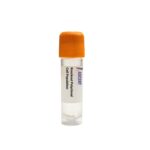
GDF2 Knockout AGS Polyclonal Cells

  • Product Type:

    Polyclonal Cell Population

  • Species:

    Homo sapiens (Human)

  • Tissue Source:

    Stomach

  • Disease:

    Adenocarcinoma

The GDF2 Knockout AGS Polyclonal Cells are a CRISPR/Cas9-edited polyclonal population from AGS gastric adenocarcinoma cells, with disruption of the GDF2 (BMP9) gene. This knockout model enables loss-of-function studies of BMP9, a TGF-beta superfamily ligand that signals via ACVRL1/ALK1 and BMPR2 to phosphorylate SMAD1/5/8, regulating angiogenesis and iron metabolism through targets such as ID1, ID2, and hepcidin. Applications include hereditary hemorrhagic telangiectasia, pulmonary arterial hypertension, iron overload disorders, and gastric cancer research. The cells are ideal for phospho-SMAD Western blotting, ID1/HAMP qPCR, hepcidin ELISA, and conditioned media assays to evaluate angiogenic signaling and support vascular-targeted drug discovery.

Inquire Now

In stock

Ships next business day


Ask a Question

Shipping Info:

Cryopreserved in vials and shipped on dry ice


Disclaimer:

For Research Use Only

  • Characteristics

    Host Cell

    AGS

    Sex of Donor

    Female

    Age

    54 years

    Derived From Site

    In situ; Stomach

    Gene Name

    GDF2

    Gene Identifier

    NCBI Gene ID 2658

    Morphology

    Epithelial-like

    Growth Mode

    Adherent

    Storage

    Liquid nitrogen (LN2)

  • Culture Conditions

    Growth medium

    Ham's F-12

    Supplement(s)

    10% Fetal Bovine Serum, 1% Penicillin-Streptomycin Solution

    Temperature

    37°C

    Atmosphere

    5% CO₂

  • Quality Control

    Sterility testing

    The bacterial, yeast, and fungi are not detected in these cells by daily monitor.

    Mycoplasma testing

    Negative for mycoplasma through PCR analysis

  • Disclaimer

    Intended Use

    This product is intended for laboratory in vitro use only. lt is not intended for diagnostic, therapeutic, or clinical applications.

    Disclaimer

    Ascent Research endeavors to provide accurate and up-to-date product information. However, no warranties or representations are made regarding its completeness or reliability. References to scientific literature and patents are for informational purposes only, and the customer assumes sole responsibility for verifying their accuracy.

    By accepting this product, the customer acknowledges and agrees to assume all risks associated with its receipt, handling, storage, disposal, and use, including compliance with all applicable safety and environmental regulations and precautions. Relevant laws, regulations, and ethical guidelines must be followed in conducting any research, modifications, or derivatives derived from this product.

    This product is provided "AS IS", and except as expressly stated herein, Ascent Research disclaims all other warranties, express or implied. Under no circumstances shall Ascent Research, its affiliates, or representatives be liable for indirect, incidental, consequential, or punitive damages arising from the use of this material. While Ascent Research employs rigorous quality control measures, we shall not be held responsible for damages resulting from misidentification or misinterpretation of the provided materials.

Description

The GDF2 Knockout AGS Polyclonal Cells are a CRISPR/Cas9-edited polyclonal population of AGS cells bearing a targeted disruption in the GDF2 gene, which encodes the bone morphogenetic protein BMP9. This loss-of-function tool enables comprehensive investigation of BMP9-dependent cellular processes. By incorporating a diverse pool of edited alleles, the polyclonal knockout format captures population-level phenotypic effects and avoids clonal selection bias, making it suitable for pooled genetic screens and studies requiring heterogeneous gene inactivation.

The parental AGS cell line is a human gastric adenocarcinoma epithelial line derived from a primary tumor, widely utilized in gastric cancer research to study tumor cell biology, drug sensitivity, and interactions with Helicobacter pylori. Its transformed epithelial origin provides a robust and physiologically relevant model for dissecting signaling pathways that drive gastric tumorigenesis and shape the tumor microenvironment.

GDF2 (BMP9) is a secreted ligand of the transforming growth factor-beta (TGF-??) superfamily that primarily signals via the type I receptor ACVRL1 (ALK1) and type II receptors BMPR2 or ACVR2A. Ligand engagement induces phosphorylation of the intracellular effectors SMAD1, SMAD5, and SMAD8, which then translocate to the nucleus and transcriptionally regulate key target genes including ID1, ID2, and HAMP. ID1 and ID2 encode inhibitors of differentiation that promote vascular morphogenesis and angiogenic sprouting, while HAMP encodes hepcidin, the master endocrine regulator of systemic iron homeostasis. Pathway output is further modulated by the co-receptor Endoglin and by diffusible antagonists such as Noggin and Gremlin. Through this molecular framework, GDF2 exerts critical control over angiogenesis and iron metabolism.

In the AGS gastric adenocarcinoma context, this GDF2 knockout model offers a unique opportunity to dissect BMP9 functions beyond its canonical endothelial roles. Gastric cancers frequently exhibit deregulated TGF-??/BMP signaling and altered iron handling, and disrupting GDF2 in these epithelial cells illuminates autocrine and paracrine contributions to tumor-stroma crosstalk, angiogenic factor release, and hepcidin-mediated iron sequestration. The system thus enables targeted studies of how BMP9 loss impacts gastric tumor cell behavior and microenvironmental communication without confounding endothelial sources.

These polyclonal knockout cells are well-suited for functional assays including Western blot detection of phosphorylated SMAD1/5/8, quantitative RT-PCR for ID1, ID2, and HAMP transcripts, and hepcidin ELISA to assess iron-regulatory output. Conditioned media from these cells can be employed in endothelial tube formation assays or ALK1 receptor binding studies to evaluate paracrine angiogenic signals. Research applications encompass hereditary hemorrhagic telangiectasia modeling, pulmonary arterial hypertension, iron overload disorders, gastric cancer progression, and high-throughput drug discovery targeting the ALK1/Endoglin signaling pathway. For further technical details, please contact Ascent Research.


Reset Password

    Reach Us Questions? Click Me Here!

    Fill out the form below and a member of our team will contact you shortly!

    *Required field


      Reach Us

      Fill out the form below and a member of our team will contact you shortly!

      *Required field

      Product Inquiry (Optional)