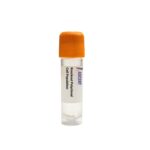
The GNPAT Knockout SK-HEP-1 Polyclonal Cells provide a CRISPR/Cas9-mediated gene-disrupted cell population in the SK-HEP-1 human hepatic adenocarcinoma background, targeting the glyceronephosphate O-acyltransferase (GNPAT) gene. This polyclonal knockout product contains a mixed allelic spectrum generated during pooled editing, delivering a population-level loss-of-function model that avoids clonal selection bias and is ideal for large-scale phenotyping and metabolic studies.
SK-HEP-1 is a human hepatic adenocarcinoma cell line with epithelial morphology, originally isolated from a liver cancer patient. It serves as a robust model for hepatocellular carcinoma investigations, including studies of tumor metabolism, drug response, and peroxisomal biology. The cell line retains functional peroxisomes and key hepatic lipid metabolic pathways, providing a physiologically relevant setting for dissecting the role of ether phospholipids in liver cancer.
GNPAT catalyzes the peroxisomal conversion of dihydroxyacetone phosphate (DHAP) to 1-acyl-DHAP, the initial step in ether phospholipid biosynthesis. This reaction is prerequisite for subsequent alkyl-DHAP formation by ADHAPS and eventual synthesis of plasmalogens and platelet-activating factor (PAF). GNPAT is transcriptionally regulated by PPAR?? and modulated by nutritional cues, and its peroxisomal import depends on PEX5 and PEX7 receptors. Interacting partners include FAR1 and ADHAPS, which cooperate in the pathway. Knockout of GNPAT therefore abolishes 1-acyl-DHAP production, leading to profound depletion of plasmalogens and PAF, altering membrane lipid architecture and signaling functions.
In the context of SK-HEP-1 liver cancer cells, GNPAT disruption enables systematic investigation of ether lipid-dependent phenotypes, including effects on cell proliferation, migration, and drug susceptibility. This model is particularly valuable for studying peroxisomal disorders such as rhizomelic chondrodysplasia punctata type 2 (RCDP2) and broader peroxisome biogenesis defects. By linking lipid metabolism to oncogenic signaling, the knockout cells facilitate the dissection of hepatic metabolic reprogramming and the identification of pathways that compensate for plasmalogen deficiency.
Typical applications include lipidomic profiling to monitor plasmalogen and PAF levels, Western blotting and RT-qPCR to confirm GNPAT ablation, and immunofluorescence to visualize peroxisomal markers. Functional assays such as proliferation, migration, and drug sensitivity testing can be integrated with small-molecule screening to identify compounds that restore ether lipid synthesis. This model thus supports research into liver cancer metabolism, peroxisomal biology, and therapeutic development for RCDP2. For additional details or to place an order, please contact Ascent Research.