Quick Order Cart

Cat. No. ARG33259

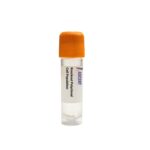
GORASP1 Knockout HT29 Polyclonal Cells

  • Product Type:

    Polyclonal Cell Population

  • Species:

    Homo sapiens (Human)

The GORASP1 Knockout HT29 Polyclonal Cells provide a CRISPR/Cas9-mediated GORASP1 knockout polyclonal population in the HT29 colorectal adenocarcinoma cell line. This loss-of-function model targets the Golgi structural protein GRASP65, which forms a complex with GM130 to maintain Golgi architecture and is regulated by mitotic kinases Cdk1 and Plk1, as well as mTOR and JNK signaling. By disrupting GORASP1, these cells serve as a versatile tool for studying Golgi morphology, protein secretion, cell adhesion, and migration, with direct relevance to colorectal cancer metastasis. Typical applications include immunofluorescence, wound healing, invasion assays, and drug sensitivity screening, supporting research in cancer biology and Golgi-targeted therapeutics.

Inquire Now

In stock

Ships next business day


Ask a Question

Shipping Info:

Cryopreserved in vials and shipped on dry ice


Disclaimer:

For Research Use Only

  • Characteristics

    Host Cell

    HT29

    Gene Name

    GORASP1

    Gene Identifier

    NCBI Gene ID 64689

    Storage

    Liquid nitrogen (LN2)

  • Culture Conditions

    Growth medium

    McCoy's 5A

    Supplement(s)

    10% Fetal Bovine Serum, 1% Penicillin-Streptomycin Solution

    Temperature

    37°C

    Atmosphere

    5% COâ‚‚

  • Quality Control

    Sterility testing

    The bacterial, yeast, and fungi are not detected in these cells by daily monitor.

    Mycoplasma testing

    Negative for mycoplasma through PCR analysis

  • Disclaimer

    Intended Use

    This product is intended for laboratory in vitro use only. It is not intended for diagnostic, therapeutic, or clinical applications.

    Disclaimer

    Ascent Research endeavors to provide accurate and up-to-date product information. However, no warranties or representations are made regarding its completeness or reliability. References to scientific literature and patents are for informational purposes only, and the customer assumes sole responsibility for verifying their accuracy.

    By accepting this product, the customer acknowledges and agrees to assume all risks associated with its receipt, handling, storage, disposal, and use, including compliance with all applicable safety and environmental regulations and precautions. Relevant laws, regulations, and ethical guidelines must be followed in conducting any research, modifications, or derivatives derived from this product.

    This product is provided "AS IS", and except as expressly stated herein, Ascent Research disclaims all other warranties, express or implied. Under no circumstances shall Ascent Research, its affiliates, or representatives be liable for indirect, incidental, consequential, or punitive damages arising from the use of this material. While Ascent Research employs rigorous quality control measures, we shall not be held responsible for damages resulting from misidentification or misinterpretation of the provided materials.

Description

The GORASP1 Knockout HT29 Polyclonal Cells are a CRISPR/Cas9-edited polyclonal knockout cell population with disruption of the GORASP1 gene, providing a loss-of-function model in HT29 human colorectal adenocarcinoma cells. This polyclonal pool is generated by CRISPR/Cas9-mediated gene targeting, yielding a heterogeneous population with GORASP1 knockout, enabling study of gene function without clonal selection. As a polyclonal knockout reagent, it offers a robust tool for investigating Golgi biology, protein trafficking, and cancer cell behavior in a physiologically relevant epithelial context.

The host cell line HT29 is a well-characterized human colorectal adenocarcinoma epithelial cell line originally established from a primary tumor of a 44-year-old female. These cells serve as a classic intestinal epithelial model and are extensively used in colorectal cancer research, mucin secretion studies, and epithelial barrier function assays. Renowned for their polarized morphology and ability to form tight junctions, HT29 cells are a preferred model for analyzing tumor cell migration, invasion, and drug sensitivity, making them particularly suitable for exploring the role of Golgi-associated proteins in cancer progression.

GORASP1 (also known as GRASP65) encodes a peripheral Golgi membrane protein essential for Golgi cisternal stacking and ribbon formation. Mechanistically, GORASP1 forms a complex with GM130 (GOLGA2) to maintain Golgi architecture. During mitosis, this complex is regulated by phosphorylation through Cdk1 and Plk1, leading to Golgi disassembly, reversed upon dephosphorylation. Beyond its structural role, GORASP1 functions downstream of ERK, JNK, and mTOR, and governs integrin trafficking and secretion of extracellular matrix proteins, thereby influencing cell adhesion and migration. Additional interacting partners include USO1/p115, Dlg1, ??-catenin, and acetylated tubulin, underscoring its integration into pathways controlling cell morphology and motility.

In the HT29 colorectal adenocarcinoma background, disruption of GORASP1 provides a powerful system to dissect how Golgi integrity impacts malignant phenotypes. Given HT29 cells?? relevance to colorectal cancer, this knockout model is instrumental for examining GORASP1-dependent alterations in Golgi morphology, protein secretion, and cell adhesion/migration programs that drive metastasis. The polyclonal nature of the population allows researchers to assess the overall functional consequences of GORASP1 loss, including effects on mucin secretion and epithelial barrier function, and to screen compounds that may target Golgi-dependent pathways in cancer therapy.

This knockout cell product is suited for a wide range of experimental applications. Researchers can employ immunofluorescence staining to visualize Golgi fragmentation, western blotting and RT-qPCR to confirm GORASP1 ablation and downstream effects, and functional assays such as wound healing migration assays, transwell invasion assays, and cell adhesion assays to quantify motility changes. Additional utility includes ELISA-based secretion profiling, cell viability assays following drug treatment, and drug sensitivity screening for Golgi-targeted therapeutics. For further information or technical assistance, please contact Ascent Research.


Reset Password

    Reach Us Questions? Click Me Here!

    Fill out the form below and a member of our team will contact you shortly!

    *Required field


      Reach Us

      Fill out the form below and a member of our team will contact you shortly!

      *Required field

      Product Inquiry (Optional)