Security Notice: Please be aware of impersonation attempts using our company name
Legitimate communications from Ascent Research will only come from official @ascentresearch.com email addresses.
Quick Order Cart

Cat. No. ARG0248

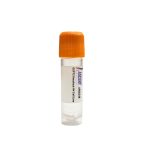
GSPT2 Knockout H4 Cell Line

  • Product Type:

    Genome-edited Cells

  • Tissue Source:

    Brain

  • Disease:

    Astrocytoma

  • Gene Species:

    Homo sapiens (Human)

The GSPT2 Knockout H4 Cell Line is a CRISPR/Cas9-edited human neuroglioma cell model for functional studies of GSPT2 (eRF3b), a GTPase mediating translation termination and nonsense-mediated mRNA decay (NMD). Derived from a male glioblastoma patient, H4 cells retain glial and neuronal features relevant to brain cancer research. GSPT2 interacts with eRF1 and UPF1 to regulate stop codon recognition and mRNA surveillance, with activity modulated by mTOR signaling and cellular stress. This knockout line enables dissection of GSPT2 roles in global protein synthesis and NMD substrate stabilization in glioblastoma. Key applications include RT-qPCR for NMD targets, polysome profiling, and translation reporter assays to assess termination fidelity. Researchers can explore how GSPT2 deficiency impacts tumor cell proliferation and stress responses, advancing insights into RNA quality control in neurological disorders.

Inquire Now

In stock

Ships next business day


Ask a Question

Shipping Info:

Cryopreserved in vials and shipped on dry ice


Disclaimer:

For Research Use Only

  • Characteristics

    Host Cell

    H4

    Morphology

    Epithelial-like

    Age

    37 years

    Sex of Donor

    Male

    Gene Name

    GSPT2

    Gene Species

    Homo sapiens (Human)

    Gene Identifier

    NCBI Gene ID 23708

  • Culture Conditions

    Temperature

    37°C

    Atmosphere

    5% CO₂

  • Quality Control

    Sterility testing

    Daily monitoring confirms that the cells are free from bacterial, yeast, and fungal contamination.

    Mycoplasma testing

    Negative for mycoplasma through PCR analysis

    Pathogens

    Cells tested negative for HIV-1, HBV, and HCV.

  • Disclaimer

    Intended Use

    This product is intended for laboratory in vitro use only. lt is not intended for diagnostic, therapeutic, or clinical applications.

    Disclaimer

    Ascent Research endeavors to provide accurate and up-to-date product information. However, no warranties or representations are made regarding its completeness or reliability. References to scientific literature and patents are for informational purposes only, and the customer assumes sole responsibility for verifying their accuracy.

    By accepting this product, the customer acknowledges and agrees to assume all risks associated with its receipt, handling, storage, disposal, and use, including compliance with all applicable safety and environmental regulations and precautions. Relevant laws, regulations, and ethical guidelines must be followed in conducting any research, modifications, or derivatives derived from this product.

    This product is provided "AS IS", and except as expressly stated herein, Ascent Research disclaims all other warranties, express or implied. Under no circumstances shall Ascent Research, its affiliates, or representatives be liable for indirect, incidental, consequential, or punitive damages arising from the use of this material. While Ascent Research employs rigorous quality control measures, we shall not be held responsible for damages resulting from misidentification or misinterpretation of the provided materials.

Description

The GSPT2 Knockout H4 Cell Line is a CRISPR/Cas9-edited human cell model designed for the targeted disruption of the GSPT2 gene in the H4 neuroglioma background. GSPT2, also referred to as eRF3b, encodes a class-II translation termination factor that functions as a GTPase essential for stop codon recognition and polypeptide chain release. This knockout cell line provides a reliable loss-of-function system to dissect the roles of GSPT2 in translation fidelity and nonsense-mediated mRNA decay (NMD). It is well-suited for advanced biomedical research, enabling precise investigation of post-transcriptional gene regulation in a disease-relevant cellular context.

The H4 cell line was originally derived from a male patient with glioblastoma multiforme and exhibits characteristic features of both glial and neuronal lineages. It retains key oncogenic signaling pathways and proliferative properties typical of high-grade gliomas, making it a widely accepted model for glioblastoma biology. The neuroglioma origin provides a native-like environment for studying translational control mechanisms that are often dysregulated in brain tumors. This background is particularly valuable for evaluating how alterations in the translation machinery contribute to gliomagenesis and for screening potential therapeutic interventions targeting protein synthesis.

GSPT2 operates at the intersection of translation termination and mRNA quality control. In complex with eRF1 (ETF1), GSPT2 recognizes stop codons and triggers GTP-dependent release of the nascent polypeptide from the ribosome. Beyond termination, GSPT2 plays a critical role in NMD by interacting with UPF1, a central factor that directs aberrant mRNAs for degradation, and with PABPC1, linking termination efficiency to poly(A) tail dynamics. The activity of GSPT2 is subject to regulation by upstream signals, including mTOR signaling, amino acid deprivation, and various cellular stress pathways. Consequently, GSPT2 influences global protein synthesis rates and determines the half-lives of NMD substrates, many of which encode regulatory proteins.

In glioblastoma, perturbed NMD and altered translation termination can promote the accumulation of truncated or oncogenic proteins, fueling tumor progression. The GSPT2 knockout in H4 cells provides a precise tool to examine how loss of this factor affects the stability of NMD targets that may function as tumor suppressors or oncogenes. This model enables researchers to assess the impact on cell proliferation, stress responses, and the expression of neuronal or glial markers, offering insights into RNA surveillance defects that may be exploited therapeutically. It also facilitates the study of the interplay between mTOR-regulated translational control and NMD in the context of brain cancer.

This GSPT2 Knockout H4 Cell Line is a robust platform for a variety of experimental approaches. Western blotting can confirm GSPT2 protein depletion, while RT-qPCR assays targeting known NMD substrates reveal changes in transcript abundance. Polysome profiling permits analysis of ribosome occupancy and translation dynamics, and translation reporter assays directly measure stop codon readthrough efficiency. Cell proliferation and viability assays further elucidate the functional consequences of GSPT2 loss on glioblastoma cell growth. This cell line is an essential resource for advancing the understanding of translational control in cancer. For additional information or custom requests, please contact Ascent Research.


Reset Password

    Reach Us Questions? Click Me Here!

    Fill out the form below and a member of our team will contact you shortly!

    *Required field


      Reach Us

      Fill out the form below and a member of our team will contact you shortly!

      *Required field

      Product Inquiry (Optional)