Quick Order Cart

Cat. No. ARG43893

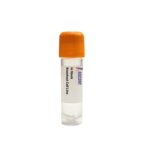
Gstm2 Knockout AML12 Cell Line

  • Product Type:

    In Stock Cell Lines

The Gstm2 Knockout AML12 Cell Line is a CRISPR/Cas9-edited loss-of-function model for glutathione S-transferase mu 2 in non-tumorigenic mouse hepatocytes. Gstm2 encodes a phase II enzyme that conjugates glutathione to electrophilic toxins, protecting cells from oxidative stress; its expression is regulated by NFE2L2 and KEAP1. AML12 cells retain core hepatocyte functions, enabling drug metabolism profiling and hepatotoxicity screening. Applications include GST activity assays, ROS detection, and pathway analysis of factors like NFE2L2. For details, contact Ascent Research.

Inquire Now

In stock

Ships next business day


Ask a Question

Shipping Info:

Cryopreserved in vials and shipped on dry ice


Disclaimer:

For Research Use Only

  • Characteristics

    Host Cell

    AML12

    Gene Name

    GSTM2

    Gene Identifier

    NCBI Gene ID 14863

    Storage

    Liquid nitrogen (LN2)

  • Culture Conditions

    Temperature

    37°C

    Atmosphere

    5% CO₂

  • Quality Control

    Sterility testing

    The bacterial, yeast, and fungi are not detected in these cells by daily monitor.

    Mycoplasma testing

    Negative for mycoplasma through PCR analysis

  • Disclaimer

    Intended Use

    This product is intended for laboratory in vitro use only. lt is not intended for diagnostic, therapeutic, or clinical applications.

    Disclaimer

    Ascent Research endeavors to provide accurate and up-to-date product information. However, no warranties or representations are made regarding its completeness or reliability. References to scientific literature and patents are for informational purposes only, and the customer assumes sole responsibility for verifying their accuracy.

    By accepting this product, the customer acknowledges and agrees to assume all risks associated with its receipt, handling, storage, disposal, and use, including compliance with all applicable safety and environmental regulations and precautions. Relevant laws, regulations, and ethical guidelines must be followed in conducting any research, modifications, or derivatives derived from this product.

    This product is provided "AS IS", and except as expressly stated herein, Ascent Research disclaims all other warranties, express or implied. Under no circumstances shall Ascent Research, its affiliates, or representatives be liable for indirect, incidental, consequential, or punitive damages arising from the use of this material. While Ascent Research employs rigorous quality control measures, we shall not be held responsible for damages resulting from misidentification or misinterpretation of the provided materials.

Description

The Gstm2 Knockout AML12 Cell Line provides a CRISPR/Cas9-edited loss-of-function model of glutathione S-transferase mu 2 (GSTM2) in mouse hepatocytes. This product disrupts the Gstm2 gene, eliminating GSTM2 enzyme activity to enable studies of phase II detoxification and oxidative stress responses without endogenous background. The knockout line offers a clean genetic system to assess cellular vulnerability to electrophilic compounds.

The AML12 cell line, derived from a transgenic mouse expressing human TGF-??, is non-tumorigenic and retains core hepatocyte functions such as metabolism, detoxification, and protein synthesis. This physiologically relevant model maintains cytochrome P450 activity and intact glutathione pathways, making it an ideal host for investigating hepatic drug metabolism and stress responses in a genetically defined background.

Gstm2 encodes a phase II enzyme that conjugates reduced glutathione (GSH) to electrophilic xenobiotics and endogenous reactive species, neutralizing toxicity and promoting excretion. Its transcription is controlled by the KEAP1-NFE2L2 (Nrf2) pathway: oxidative stress triggers NFE2L2 release from KEAP1, leading to antioxidant response element activation. The aryl hydrocarbon receptor (AHR) also regulates Gstm2. GSTM2 activity reduces intracellular reactive oxygen species (ROS) and modulates JNK1-mediated apoptosis. The enzyme operates within a network involving glutamate-cysteine ligase (GCL) for GSH synthesis, glutathione reductase (GSR) for GSH regeneration, and cytochrome P450 enzymes that generate substrates.

In AML12 hepatocytes, Gstm2 knockout removes a key defense against electrophilic and oxidative injury. These cells normally depend on GSTs for detoxification; Gstm2 loss heightens susceptibility to drug-induced toxicity and ROS. This model isolates the specific role of GSTM2 in hepatocyte stress resilience, enabling examination of compensatory mechanisms from other GST isoforms or antioxidants, and evaluation of JNK1 signaling and apoptosis thresholds.

Applications include drug metabolism profiling, hepatotoxicity screening, and oxidative stress studies. Users can quantify cell viability under electrophilic stress, measure ROS, and perform GST activity assays using CDNB. Western blotting and RT-qPCR confirm gene disruption and monitor NFE2L2, KEAP1, and GCL expression. This line also supports cancer susceptibility studies of impaired phase II detoxification. For support, contact Ascent Research.


Reset Password

    Reach Us Questions? Click Me Here!

    Fill out the form below and a member of our team will contact you shortly!

    *Required field


      Reach Us

      Fill out the form below and a member of our team will contact you shortly!

      *Required field

      Product Inquiry (Optional)