Quick Order Cart

Cat. No. ARG31610

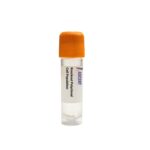
HDLBP Knockout NCI-H1975 Polyclonal Cells

  • Product Type:

    Polyclonal Cell Population

  • Species:

    Homo sapiens (Human)

  • Tissue Source:

    Lung

  • Disease:

    Carcinoma

The HDLBP Knockout NCI-H1975 Polyclonal Cells are a CRISPR/Cas9-edited polyclonal population of NCI-H1975 human lung adenocarcinoma cells with targeted disruption of the HDLBP (Vigilin) gene. HDLBP is an RNA-binding protein that regulates translation and stability of mRNAs involved in cholesterol metabolism, including APOA1 and ABCA1, and is regulated by SREBF1 and NR1H3. This knockout model allows investigation of cholesterol homeostasis and post-transcriptional regulation in EGFR-mutant (L858R/T790M) NSCLC. Applications include cholesterol efflux assays, RNA immunoprecipitation, and EGFR inhibitor sensitivity testing to study links between lipid metabolism and drug resistance.

Inquire Now

In stock

Ships next business day


Ask a Question

Shipping Info:

Cryopreserved in vials and shipped on dry ice


Disclaimer:

For Research Use Only

  • Characteristics

    Host Cell

    NCI-H1975

    Sex of Donor

    Female

    Gene Name

    HDLBP

    Gene Identifier

    NCBI Gene ID 3069

    Morphology

    Epithelial-like

    Growth Mode

    Adherent

    Storage

    Liquid nitrogen (LN2)

  • Culture Conditions

    Growth medium

    RPMI 1640

    Supplement(s)

    10% Fetal Bovine Serum, 1% Penicillin-Streptomycin Solution

    Temperature

    37°C

    Atmosphere

    5% COâ‚‚

  • Quality Control

    Sterility testing

    The bacterial, yeast, and fungi are not detected in these cells by daily monitor.

    Mycoplasma testing

    Negative for mycoplasma through PCR analysis

  • Disclaimer

    Intended Use

    This product is intended for laboratory in vitro use only. It is not intended for diagnostic, therapeutic, or clinical applications.

    Disclaimer

    Ascent Research endeavors to provide accurate and up-to-date product information. However, no warranties or representations are made regarding its completeness or reliability. References to scientific literature and patents are for informational purposes only, and the customer assumes sole responsibility for verifying their accuracy.

    By accepting this product, the customer acknowledges and agrees to assume all risks associated with its receipt, handling, storage, disposal, and use, including compliance with all applicable safety and environmental regulations and precautions. Relevant laws, regulations, and ethical guidelines must be followed in conducting any research, modifications, or derivatives derived from this product.

    This product is provided "AS IS", and except as expressly stated herein, Ascent Research disclaims all other warranties, express or implied. Under no circumstances shall Ascent Research, its affiliates, or representatives be liable for indirect, incidental, consequential, or punitive damages arising from the use of this material. While Ascent Research employs rigorous quality control measures, we shall not be held responsible for damages resulting from misidentification or misinterpretation of the provided materials.

Description

The HDLBP Knockout NCI-H1975 Polyclonal Cells are a CRISPR/Cas9-edited human polyclonal knockout cell population derived from the NCI-H1975 lung adenocarcinoma epithelial cell line. This product provides a heterogeneous pool of cells with targeted disruption of the HDLBP gene, offering a loss-of-function model for studying Vigilin functions in RNA regulation and cholesterol metabolism. The polyclonal format preserves the diversity of gene-editing events, enabling robust phenotypic analysis without clonal selection bias. The cell population is suitable for immediate functional assessments in a tumorigenic lung epithelial background.

The NCI-H1975 host cell line is a widely used non-small cell lung adenocarcinoma model harboring activating EGFR L858R and resistance-associated T790M mutations. These tumorigenic epithelial cells exhibit constitutive EGFR signaling and are extensively employed to investigate mechanisms of targeted therapy sensitivity and resistance. Integrating HDLBP knockout into this genetic context permits the exploration of how post-transcriptional regulation by an RNA-binding protein interfaces with oncogenic EGFR signaling in lung cancer.

HDLBP, also known as Vigilin, encodes a highly conserved RNA-binding protein that associates with HDL particles and polyribosomes. It binds to the 3?? untranslated regions of target mRNAs, including APOA1, LDLR, and ABCA1, thereby modulating their translation and stability. Through interactions with APOA1, APOE, ribosomal subunits, and the translation initiation factor eIF4E, HDLBP scaffolds the coordination of mRNA translation with lipid loading. Upstream, HDLBP expression is transcriptionally regulated by SREBF1 and the liver X receptor NR1H3, and is also responsive to insulin, linking its activity to cellular cholesterol status. Downstream, HDLBP influences the expression of cholesterol transporters ABCA1 and ABCG1, and the receptor LDLR, thereby facilitating cholesterol efflux and uptake. This functional network positions HDLBP at the intersection of HDL receptor signaling and mRNA translation regulation.

In EGFR-mutant lung adenocarcinoma, dysregulation of cholesterol metabolism has been implicated in tumor progression and drug resistance. HDLBP modulates intracellular cholesterol levels and membrane lipid composition, potentially affecting EGFR localization and signaling output. The knockout of HDLBP in NCI-H1975 cells enables the dissection of how proliferative and survival signals driven by mutant EGFR may depend on HDLBP-mediated post-transcriptional control. Furthermore, this model can reveal whether HDLBP contributes to adaptive responses of NSCLC cells to EGFR tyrosine kinase inhibitors, providing insights into resistance mechanisms.

Researchers can utilize these HDLBP knockout polyclonal cells in diverse functional assays, including Western blotting and RT-qPCR to confirm gene disruption and monitor downstream targets, cholesterol efflux assays to assess lipid transport, and RNA immunoprecipitation to study RNA-protein interactions. Cell-based phenotypic analyses such as migration assays and EGFR inhibitor sensitivity testing allow investigation of HDLBP??s role in metastatic potential and therapeutic response. These cells support co-culture experiments, signaling pathway dissection, and comparative studies with wild-type NCI-H1975 cells. For further technical information or to request a quotation, please contact Ascent Research.


Reset Password

    Reach Us Questions? Click Me Here!

    Fill out the form below and a member of our team will contact you shortly!

    *Required field


      Reach Us

      Fill out the form below and a member of our team will contact you shortly!

      *Required field

      Product Inquiry (Optional)