Quick Order Cart

Cat. No. ARG33663

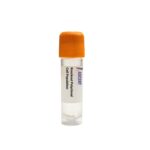
HMGCL Knockout A549 Polyclonal Cells

  • Product Type:

    Polyclonal Cell Population

  • Species:

    Homo sapiens (Human)

  • Tissue Source:

    Lung

  • Disease:

    Lung adenocarcinoma

The HMGCL Knockout A-549 Polyclonal Cells are a CRISPR/Cas9-edited polyclonal population of human lung adenocarcinoma cells with targeted disruption of the HMGCL gene. HMGCL encodes 3-hydroxy-3-methylglutaryl-CoA lyase, which catalyzes the committed step in ketogenesis and the final step of leucine degradation, converting HMG-CoA into acetoacetate and acetyl-CoA. This knockout model, regulated by PPAR?? and FOXA2 and integrated with HMGCS2 and ACAT1, abolishes ketone body synthesis in A-549 cells, making it valuable for studying cancer metabolic reprogramming, HMG-CoA lyase deficiency, and leucine catabolism using assays such as LC-MS metabolite profiling and isotope tracing.

Inquire Now

In stock

Ships next business day


Ask a Question

Shipping Info:

Cryopreserved in vials and shipped on dry ice


Disclaimer:

For Research Use Only

  • Characteristics

    Host Cell

    A549

    Sex of Donor

    Male

    Age

    58 years

    Derived From Site

    Lung

    Gene Name

    HMGCL

    Gene Identifier

    NCBI Gene ID 3155

    Storage

    Liquid nitrogen (LN2)

  • Culture Conditions

    Growth medium

    MEM

    Supplement(s)

    10% Fetal Bovine Serum, 1% Penicillin-Streptomycin Solution

    Temperature

    37°C

    Atmosphere

    5% COâ‚‚

  • Quality Control

    Sterility testing

    The bacterial, yeast, and fungi are not detected in these cells by daily monitor.

    Mycoplasma testing

    Negative for mycoplasma through PCR analysis

  • Disclaimer

    Intended Use

    This product is intended for laboratory in vitro use only. It is not intended for diagnostic, therapeutic, or clinical applications.

    Disclaimer

    Ascent Research endeavors to provide accurate and up-to-date product information. However, no warranties or representations are made regarding its completeness or reliability. References to scientific literature and patents are for informational purposes only, and the customer assumes sole responsibility for verifying their accuracy.

    By accepting this product, the customer acknowledges and agrees to assume all risks associated with its receipt, handling, storage, disposal, and use, including compliance with all applicable safety and environmental regulations and precautions. Relevant laws, regulations, and ethical guidelines must be followed in conducting any research, modifications, or derivatives derived from this product.

    This product is provided "AS IS", and except as expressly stated herein, Ascent Research disclaims all other warranties, express or implied. Under no circumstances shall Ascent Research, its affiliates, or representatives be liable for indirect, incidental, consequential, or punitive damages arising from the use of this material. While Ascent Research employs rigorous quality control measures, we shall not be held responsible for damages resulting from misidentification or misinterpretation of the provided materials.

Description

The HMGCL Knockout A-549 Polyclonal Cells product is a population of human A-549 lung adenocarcinoma cells that have undergone CRISPR/Cas9-mediated disruption of the HMGCL gene, resulting in a heterogeneous pool of loss-of-function alleles. This polyclonal knockout format preserves the allelic diversity generated by genome editing, avoiding clonal selection biases and providing a more representative model for functional genomic studies compared to single-cell-derived clones. The cells are suitable for investigating HMGCL-dependent metabolic processes in a disease-relevant epithelial background.

The A-549 cell line was established from the lung adenocarcinoma of a 58-year-old male and displays an adherent epithelial morphology characteristic of alveolar type II pneumocytes. As a widely used model for lung cancer research and respiratory biology, A-549 cells recapitulate key features of transformed pulmonary epithelium, including altered metabolic pathways and growth-factor signaling, making them an ideal host for gene knockout studies targeting metabolic enzymes.

HMGCL encodes 3-hydroxy-3-methylglutaryl-CoA lyase, a mitochondrial enzyme that catalyzes the irreversible cleavage of HMG-CoA into acetoacetate and acetyl-CoA, the rate-limiting step in ketogenesis and the final reaction in leucine catabolism. Its activity is upregulated by PPAR?? and FOXA2 during fasting and by glucagon, while insulin suppresses its expression. HMGCL works in concert with HMGCS2, which supplies its substrate, and is interconnected with ACAT1, the mitochondrial trifunctional protein, and downstream effectors such as BDH1. Loss of HMGCL function leads to HMG-CoA accumulation, disruption of CoA homeostasis, and impaired production of ketone bodies, with consequences for energy metabolism in multiple tissues.

In A-549 cells, HMGCL knockout eliminates a critical node of lipid-derived energy production, forcing the cells to rewire their metabolism in a cancer context. This model enables dissection of how lung adenocarcinomas adapt to ketogenesis deficiency and may expose vulnerabilities related to branched-chain amino acid utilization. Moreover, the system recapitulates features of HMG-CoA lyase deficiency??a metabolic disorder characterized by hypoketotic hypoglycemia and organic aciduria??in a cancer-relevant epithelial setting, offering a tool to study disease mechanisms outside the traditional hepatic or fibroblast models.

The polyclonal knockout cells are compatible with a variety of downstream assays, including western blotting and RT-qPCR for confirmation of HMGCL ablation, LC-MS metabolite profiling to track changes in HMG-CoA and ketone bodies, and isotope-labeled leucine tracing to monitor metabolic flux. Functional studies such as mitochondrial respiration analysis (Seahorse), ketone body quantification, and cell viability assays under leucine deprivation can reveal compensatory pathways and synthetic lethal interactions. These applications support research into cancer metabolic reprogramming, HMG-CoA lyase deficiency pathogenesis, and metabolic drug target identification. For further technical inquiries, please contact Ascent Research.


Reset Password

    Reach Us Questions? Click Me Here!

    Fill out the form below and a member of our team will contact you shortly!

    *Required field


      Reach Us

      Fill out the form below and a member of our team will contact you shortly!

      *Required field

      Product Inquiry (Optional)