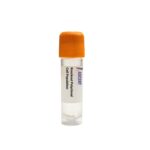
The HPDL Knockout A-549 Polyclonal Cells are a CRISPR/Cas9-edited polyclonal knockout cell population derived from A-549 cells, featuring targeted disruption of the HPDL gene. This loss-of-function model enables study of the HPDL-encoded 4-hydroxyphenylpyruvate dioxygenase in ubiquinone (coenzyme Q10) biosynthesis. As a polyclonal knockout pool, it captures heterogeneous editing outcomes, enabling robust functional interrogation without clonal artifacts. The cells are suitable for population-level analysis of mitochondrial metabolism, oxidative stress, and coenzyme Q-dependent processes.
The A-549 host cell line is a widely used human lung adenocarcinoma model, originally established from a 58-year-old male Caucasian. These adherent epithelial cells retain characteristics of alveolar type II pneumocytes and serve as a cornerstone for cancer biology, drug metabolism, and toxicology research. Their well-documented growth properties and metabolic profile make them an ideal chassis for investigating the intersection of oncogenic signaling and mitochondrial function, particularly in the context of coenzyme Q10 biosynthesis.
HPDL functions as a mitochondrial dioxygenase that catalyzes the conversion of 4-hydroxyphenylpyruvate to 4-hydroxybenzaldehyde, a critical step in ubiquinone biosynthesis. The enzyme operates downstream of tyrosine aminotransferase and upstream of COQ2 and COQ7, cooperating with the COQ protein complex and mitochondrial import machinery to ensure efficient coenzyme Q10 production. HPDL expression is regulated by PPARGC1A and NRF2, linking its activity to mitochondrial biogenesis and antioxidant responses. Disruption of HPDL therefore compromises coenzyme Q10 synthesis, impairing electron transfer between respiratory chain complexes I?CIII, diminishing ATP synthesis, and elevating reactive oxygen species levels.
In the A-549 adenocarcinoma background, HPDL knockout provides a tool to dissect the contribution of the ubiquinone pathway to cancer cell metabolism. Lung adenocarcinoma cells often exhibit altered mitochondrial dynamics and heightened oxidative stress; loss of HPDL may exacerbate these phenotypes, revealing therapeutic vulnerabilities. This model is relevant for exploring mitochondrial retrograde signaling, metabolic reprogramming, and crosstalk between coenzyme Q10 deficiency and oncogenic pathways. It also facilitates study of how tumor cells adapt to bioenergetic insults and may identify synthetic lethal interactions with existing therapies.
Researchers can employ these polyclonal knockout cells in applications including coenzyme Q10 quantification by HPLC, mitochondrial respiration analysis via Seahorse, ATP production assays, and reactive oxygen species measurement. The model supports drug screening for compounds that bypass coenzyme Q10 deficiency and evaluation of neuroprotective agents targeting mitochondrial dysfunction. Typical readouts encompass western blotting for HPDL, RT-qPCR, immunofluorescence for mitochondrial markers, and cell viability assays under metabolic stress. For further information or to discuss custom applications, please contact Ascent Research.