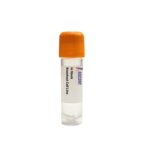
The IL1RL1 Knockout AC16 Cell Line is a CRISPR/Cas9-edited human cardiomyocyte knockout model in which the IL1RL1 gene has been functionally disrupted. This cell line provides a defined genetic background for investigating the role of the IL1RL1-encoded ST2 receptor in cardiac inflammatory and fibrotic signaling. By eliminating endogenous ST2 expression, researchers can dissect IL-33-dependent responses and downstream effector pathways in a ventricular cardiomyocyte context.
The AC16 cell line is derived from human adult ventricular cardiomyocytes and retains essential features of contractile cardiac muscle cells, including the expression of cardiac-specific markers and the capacity for hypertrophic and stress responses. As an immortalized yet functionally relevant model, AC16 cells enable reproducible in vitro studies of cardiomyocyte biology, offering a consistent platform for examining gene function, signaling transduction, and pharmacological interventions in a human cardiac system.
IL1RL1 encodes ST2, the receptor for interleukin-33 (IL-33). Upon IL-33 binding, ST2 heterodimerizes with IL-1RAcP, recruiting MyD88 and activating IRAK1/4 and TRAF6. This activates NF-??B and MAPK/ERK pathways, driving transcription of pro-inflammatory cytokines (IL-6, IL-8), chemokine CCL2, and fibrotic factors like collagen. The pathway is modulated by upstream regulators TNF-??, IL-1??, and mechanical stress.
In AC16 cardiomyocytes, ST2 signaling is crucial in cardiac remodeling, including hypertrophy and fibrosis leading to heart failure. This knockout cell line enables the dissection of cardiomyocyte-intrinsic IL-33/ST2 effects, separating them from fibroblast and immune cell contributions. It provides a valuable model for studying maladaptive responses and testing therapeutic interventions.
This model supports IL-33 stimulation assays, phospho-ERK/NF-??B luciferase reporter assays, qPCR, Western blotting, and ELISA for IL-6/IL-8. Hypertrophy assays (cell size, ANP) and fibrosis marker expression (collagen, fibronectin) can be performed. The cell line is ideal for drug screening in heart failure, inflammatory response studies, and IL-33/ST2 pathway analysis. For further information, contact Ascent Research.