Quick Order Cart

Cat. No. ARG34258

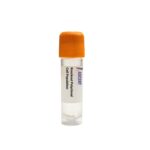
ITIH2 Knockout A549 Polyclonal Cells

  • Product Type:

    Polyclonal Cell Population

  • Species:

    Homo sapiens (Human)

  • Tissue Source:

    Lung

  • Disease:

    Lung adenocarcinoma

The ITIH2 Knockout A-549 Polyclonal Cells provide a heterogeneous CRISPR/Cas9-edited A-549 cell population with disrupted ITIH2, a heavy chain of inter-alpha-trypsin inhibitor that stabilizes hyaluronan-rich extracellular matrices. This loss-of-function model enables study of matrix remodeling in lung adenocarcinoma, where ITIH2 is regulated by IL-6, TNF-alpha, and TGF-beta, and interacts with TSG-6, HAS2, MMPs, and CD44 to control cell adhesion and migration. The polyclonal format avoids single-cell cloning biases. Key applications include analyzing hyaluronan matrix organization with particle exclusion assays, assessing metastatic behavior through migration/invasion assays, and measuring CD44 expression by flow cytometry. This product is an essential resource for examining the interplay between ECM stability and inflammatory pathways in NSCLC.

Inquire Now

In stock

Ships next business day


Ask a Question

Shipping Info:

Cryopreserved in vials and shipped on dry ice


Disclaimer:

For Research Use Only

  • Characteristics

    Host Cell

    A549

    Sex of Donor

    Male

    Age

    58 years

    Derived From Site

    Lung

    Gene Name

    ITIH2

    Gene Identifier

    NCBI Gene ID 3698

    Storage

    Liquid nitrogen (LN2)

  • Culture Conditions

    Growth medium

    MEM

    Supplement(s)

    10% Fetal Bovine Serum, 1% Penicillin-Streptomycin Solution

    Temperature

    37°C

    Atmosphere

    5% CO₂

  • Quality Control

    Sterility testing

    The bacterial, yeast, and fungi are not detected in these cells by daily monitor.

    Mycoplasma testing

    Negative for mycoplasma through PCR analysis

  • Disclaimer

    Intended Use

    This product is intended for laboratory in vitro use only. lt is not intended for diagnostic, therapeutic, or clinical applications.

    Disclaimer

    Ascent Research endeavors to provide accurate and up-to-date product information. However, no warranties or representations are made regarding its completeness or reliability. References to scientific literature and patents are for informational purposes only, and the customer assumes sole responsibility for verifying their accuracy.

    By accepting this product, the customer acknowledges and agrees to assume all risks associated with its receipt, handling, storage, disposal, and use, including compliance with all applicable safety and environmental regulations and precautions. Relevant laws, regulations, and ethical guidelines must be followed in conducting any research, modifications, or derivatives derived from this product.

    This product is provided "AS IS", and except as expressly stated herein, Ascent Research disclaims all other warranties, express or implied. Under no circumstances shall Ascent Research, its affiliates, or representatives be liable for indirect, incidental, consequential, or punitive damages arising from the use of this material. While Ascent Research employs rigorous quality control measures, we shall not be held responsible for damages resulting from misidentification or misinterpretation of the provided materials.

Description

The ITIH2 Knockout A-549 Polyclonal Cells provide a CRISPR/Cas9-edited polyclonal knockout cell population targeting the ITIH2 gene in the human A-549 lung adenocarcinoma cell line. This product is generated through a non-clonal selection strategy, yielding a heterogeneous mixture of cells with targeted gene disruption. Compared to monoclonal knockout lines, the polyclonal approach maintains greater cellular diversity and minimizes artifacts arising from single-cell cloning, while still providing a robust loss-of-function model. The population is optimized for experiments that require substantial cell numbers or where clonal variation could obscure phenotype interpretation, enabling researchers to investigate the role of ITIH2 in extracellular matrix dynamics within a lung cancer context.

The A-549 host cell line originates from a lung carcinoma of a 58-year-old Caucasian male and is a well-established in vitro model of type II alveolar epithelial cells. These cells recapitulate key aspects of human pneumocyte biology and are extensively utilized in lung cancer research, drug metabolism studies, and respiratory disease modeling. The A-549 line??s documented genetic stability and phenotypical relevance to non-small cell lung cancer (NSCLC) make it an appropriate platform for studying tumor biology, particularly in relation to extracellular matrix interactions and inflammatory signaling.

ITIH2 encodes heavy chain 2 of the inter-alpha-trypsin inhibitor (I??I) family, a serine protease inhibitor critical for hyaluronan-rich matrix stabilization. ITIH2 is covalently incorporated into hyaluronan via TSG-6 (TNFAIP6) catalytic activity, crosslinking hyaluronan chains. Its expression responds to IL-6, TNF-alpha, and TGF-beta, integrating inflammatory signals. Within the I??I complex, ITIH2 associates with bikunin (AMBP) and other heavy chains (ITIH1, ITIH3), interacting with CD44 to transmit matrix signals. Downstream, ITIH2 influences hyaluronan synthase 2 (HAS2) and matrix metalloproteinases (MMPs), regulating pericellular matrix turnover and cell adhesion.

Disruption of ITIH2 in A-549 cells is expected to impair the formation of stable hyaluronan matrices, perturbing crucial cell-matrix interactions that govern tumor cell behavior. Given the established link between hyaluronan deposition and poor prognosis in NSCLC, this knockout model offers a direct tool to examine how loss of ITIH2-mediated matrix stabilization affects metastatic potential and inflammatory responses. The polyclonal population allows for the assessment of heterogeneous phenotypic responses, reflecting the clonal diversity naturally present in tumors. Consequently, this system is particularly suited to uncovering the contributions of ECM remodeling to the aggressive properties of lung adenocarcinoma cells, including invasion and resistance to apoptosis.

Researchers can utilize this model for tumor microenvironment investigations, including migration and invasion assays to assess metastatic potential. The hyaluronan particle exclusion assay and immunofluorescence staining allow direct examination of matrix architecture. RT-qPCR and western blotting can quantify MMP and HAS2 expression changes, while flow cytometry detects CD44 presentation. These tools are valuable for studying ECM remodeling in lung cancer and matrix-mediated inflammatory signaling within the complement cascade context. For further product details, please contact Ascent Research.


Reset Password

    Reach Us Questions? Click Me Here!

    Fill out the form below and a member of our team will contact you shortly!

    *Required field


      Reach Us

      Fill out the form below and a member of our team will contact you shortly!

      *Required field

      Product Inquiry (Optional)