Quick Order Cart

Cat. No. ARG43945

LILRB3 Knockout HMC3 Cell Line

  • Product Type:

    In Stock Cell Lines

  • Species:

    Homo sapiens (Human)

  • Tissue Source:

    Brain

The LILRB3 Knockout HMC3 Cell Line is a CRISPR/Cas9-edited knockout cell line based on the HMC3 human microglial cell line. This model lacks expression of LILRB3, an ITIM-containing inhibitory receptor that recruits SHP-1 and SHP-2 phosphatases to suppress myeloid activation and phagocytosis. In microglia, LILRB3 normally attenuates neuroinflammatory signaling and effector functions through interaction with MHC class I molecules and ANGPTL proteins. This knockout line enables researchers to study the consequences of removing LILRB3-mediated inhibitory signaling in neuroinflammation, phagocytosis, and cytokine production. Applications include microglial immune regulation studies, Alzheimer's disease modeling, and phagocytosis assays using techniques such as flow cytometry and cytokine ELISA. Contact Ascent Research for further information.

Inquire Now

In stock

Ships next business day


Ask a Question

Shipping Info:

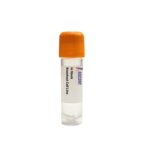
Cryopreserved in vials and shipped on dry ice


Disclaimer:

For Research Use Only

  • Characteristics

    Host Cell

    HMC3

    Sex of Donor

    Unknown

    Age

    Fetus (8-10 weeks)

    Derived From Site

    Fetal brain

    Gene Name

    LILRB3

    Gene Identifier

    NCBI Gene ID 11025

    Growth Mode

    Adherent

    Storage

    Liquid nitrogen (LN2)

  • Culture Conditions

    Temperature

    37°C

    Atmosphere

    5% CO₂

  • Quality Control

    Sterility testing

    The bacterial, yeast, and fungi are not detected in these cells by daily monitor.

    Mycoplasma testing

    Negative for mycoplasma through PCR analysis

  • Disclaimer

    Intended Use

    This product is intended for laboratory in vitro use only. lt is not intended for diagnostic, therapeutic, or clinical applications.

    Disclaimer

    Ascent Research endeavors to provide accurate and up-to-date product information. However, no warranties or representations are made regarding its completeness or reliability. References to scientific literature and patents are for informational purposes only, and the customer assumes sole responsibility for verifying their accuracy.

    By accepting this product, the customer acknowledges and agrees to assume all risks associated with its receipt, handling, storage, disposal, and use, including compliance with all applicable safety and environmental regulations and precautions. Relevant laws, regulations, and ethical guidelines must be followed in conducting any research, modifications, or derivatives derived from this product.

    This product is provided "AS IS", and except as expressly stated herein, Ascent Research disclaims all other warranties, express or implied. Under no circumstances shall Ascent Research, its affiliates, or representatives be liable for indirect, incidental, consequential, or punitive damages arising from the use of this material. While Ascent Research employs rigorous quality control measures, we shall not be held responsible for damages resulting from misidentification or misinterpretation of the provided materials.

Description

The LILRB3 Knockout HMC3 Cell Line is a CRISPR/Cas9-edited knockout cell line generated from the HMC3 human microglial cell line. This stable loss-of-function model enables investigation of LILRB3, an inhibitory immune receptor, in microglial immune regulation and neuroinflammation. CRISPR/Cas9-mediated gene disruption abolishes LILRB3 expression, providing a tool to dissect LILRB3-dependent signaling pathways and their impact on myeloid cell function.

The HMC3 cell line is an SV40-immortalized human fetal microglial cell line that serves as a well-established in vitro model of resident central nervous system (CNS) immune cells. Microglia are the primary innate immune cells of the CNS, playing critical roles in neuroinflammation, synaptic pruning, and maintaining brain homeostasis. The HMC3 line retains many phenotypic and functional characteristics of primary microglia, including phagocytic activity and responsiveness to inflammatory stimuli. This makes it a valuable tool for studying microglial biology in health and disease. The engineered LILRB3 knockout variant enables the examination of how this inhibitory receptor modulates microglial functions.

LILRB3 (leukocyte immunoglobulin-like receptor subfamily B member 3) is a type I transmembrane protein containing immunoreceptor tyrosine-based inhibitory motifs (ITIMs) in its cytoplasmic tail. Upon recognition of its ligands, which include major histocompatibility complex (MHC) class I molecules and angiopoietin-like proteins (ANGPTLs), LILRB3 recruits the tyrosine phosphatases SHP-1 and SHP-2. These phosphatases subsequently dephosphorylate key signaling intermediates, leading to suppression of NF-??B pathway activation and reduced production of pro-inflammatory cytokines. Through this mechanism, LILRB3 attenuates myeloid cell activation and phagocytosis, thereby contributing to immune tolerance. Its expression in microglia suggests a role in fine-tuning neuroinflammatory responses within the CNS.

In the context of microglial biology, loss of LILRB3 function is predicted to relieve inhibitory constraints on phagocytic activity and pro-inflammatory cytokine release. This knockout cell line therefore provides a powerful tool for modeling dysregulated microglial activation, which is implicated in various neuroinflammatory and neurodegenerative conditions. By comparing LILRB3 knockout HMC3 cells with wild-type controls, researchers can dissect the molecular basis of ITIM-mediated inhibitory signaling and its downstream effects on microglial effector functions. Such studies are particularly relevant for understanding diseases like Alzheimer’s disease, where aberrant microglial phagocytosis and chronic inflammation contribute to pathogenesis.

This LILRB3 knockout model is designed for a wide range of research applications, including microglial immune regulation studies, neuroinflammation modeling, and phagocytosis assays. Typical experimental workflows involve flow cytometry to confirm loss of LILRB3 surface expression, phagocytosis assays using fluorescently labeled substrates, cytokine ELISAs to measure secreted pro-inflammatory mediators, and western blotting to assess phospho-protein levels within the SHP-1/SHP-2/NF-??B axis. Co-immunoprecipitation experiments can further elucidate protein?Cprotein interactions involving LILRB3. For further information or technical support, please contact Ascent Research.


Reset Password

    Reach Us Questions? Click Me Here!

    Fill out the form below and a member of our team will contact you shortly!

    *Required field


      Reach Us

      Fill out the form below and a member of our team will contact you shortly!

      *Required field

      Product Inquiry (Optional)