Quick Order Cart

Cat. No. ARG43946

LINC01140 Knockout AC16 Cell Line

  • Product Type:

    In Stock Cell Lines

  • Species:

    Homo sapiens (Human)

  • Tissue Source:

    Heart

The LINC01140 Knockout AC16 Cell Line is a CRISPR/Cas9-edited knockout cell line derived from AC16 human ventricular cardiomyocytes, offering targeted disruption of the long non-coding RNA LINC01140. This model enables investigation of LINC01140 functions in apoptosis, proliferation, and hypertrophy, mediated through ceRNA activity against miR-23a-3p and regulation of PTEN/AKT signaling, as well as PRC2-dependent gene silencing. Ideal for studying cardiac stress responses, myocardial infarction, and heart failure, this cell line supports applications such as mechanistic lncRNA research, drug screening for cardioprotection, and functional genomics, using assays like RT-qPCR, western blotting, and apoptosis detection.

Inquire Now

In stock

Ships next business day


Ask a Question

Shipping Info:

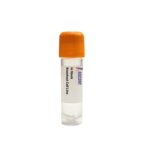
Cryopreserved in vials and shipped on dry ice


Disclaimer:

For Research Use Only

  • Characteristics

    Host Cell

    AC16

    Derived From Site

    Ventricle

    Gene Name

    LINC01140

    Gene Identifier

    NCBI Gene ID 339524

    Morphology

    Cardiomyocyte

    Growth Mode

    Adherent

    Storage

    Liquid nitrogen (LN2)

  • Culture Conditions

    Temperature

    37°C

    Atmosphere

    5% COâ‚‚

  • Quality Control

    Sterility testing

    The bacterial, yeast, and fungi are not detected in these cells by daily monitor.

    Mycoplasma testing

    Negative for mycoplasma through PCR analysis

  • Disclaimer

    Intended Use

    This product is intended for laboratory in vitro use only. It is not intended for diagnostic, therapeutic, or clinical applications.

    Disclaimer

    Ascent Research endeavors to provide accurate and up-to-date product information. However, no warranties or representations are made regarding its completeness or reliability. References to scientific literature and patents are for informational purposes only, and the customer assumes sole responsibility for verifying their accuracy.

    By accepting this product, the customer acknowledges and agrees to assume all risks associated with its receipt, handling, storage, disposal, and use, including compliance with all applicable safety and environmental regulations and precautions. Relevant laws, regulations, and ethical guidelines must be followed in conducting any research, modifications, or derivatives derived from this product.

    This product is provided "AS IS", and except as expressly stated herein, Ascent Research disclaims all other warranties, express or implied. Under no circumstances shall Ascent Research, its affiliates, or representatives be liable for indirect, incidental, consequential, or punitive damages arising from the use of this material. While Ascent Research employs rigorous quality control measures, we shall not be held responsible for damages resulting from misidentification or misinterpretation of the provided materials.

Description

The LINC01140 Knockout AC16 Cell Line is a CRISPR/Cas9-edited knockout cell line featuring a targeted disruption of the long non-coding RNA LINC01140 gene in the AC16 human ventricular cardiomyocyte cell line. This loss-of-function model provides a robust platform for investigating the regulatory roles of LINC01140 in cardiomyocyte biology, particularly in the context of cardiac stress and disease. The cell line is designed to enable precise delineation of LINC01140-dependent molecular mechanisms without the interference of endogenous gene expression, making it an essential tool for functional genomics and pathway analysis in cardiovascular research.

The AC16 host cell line is an immortalized human adult ventricular cardiomyocyte line that faithfully retains key characteristics of primary cardiomyocytes, including contractile function, electrophysiological activity, and metabolic homeostasis. These cells express cardiac-specific markers and maintain the structural and signaling machinery critical for cardiac muscle physiology. Their ventricular origin and stable phenotype render them highly suitable for modeling human cardiac diseases and for screening cardioprotective compounds, providing a physiologically relevant background for knockout studies.

LINC01140 acts as a competitive endogenous RNA (ceRNA) that sponges miR-23a-3p, leading to upregulation of PTEN and subsequent inhibition of AKT signaling. This mechanism promotes cardiomyocyte apoptosis while suppressing proliferation and hypertrophic growth. Additionally, LINC01140 interacts with EZH2 and SUZ12, core components of the polycomb repressive complex 2 (PRC2), to epigenetically silence pro-survival genes. Its expression is activated by upstream regulators such as HIF1A, NFKB1, and TGFB1, and it modulates downstream effectors including BCL2, BAX, and CCND1, thereby integrating into the PI3K/AKT, Wnt/??-catenin, MAPK/ERK, and Hippo signaling pathways.

In the AC16 cardiomyocyte context, LINC01140 knockout enables dissection of its roles in apoptosis, proliferation, and hypertrophy under basal and stress conditions. This model is particularly relevant for studying ischemia-reperfusion injury, cardiac hypertrophy, myocardial infarction, and heart failure, where LINC01140-mediated signaling contributes to pathological remodeling. By eliminating LINC01140, researchers can assess its impact on cell viability, mitochondrial function, and contractile properties, offering insights into potential therapeutic targets for cardioprotection.

This knockout cell line is suited for a wide range of experimental applications, including mechanistic studies of lncRNAs in cardiac pathology, high-content screening for cardioprotective drugs, and functional genomics analyses. Representative assays include RT-qPCR and western blotting for expression profiling, RNA-seq for transcriptome-wide effects, luciferase reporter assays for miRNA interaction validation, and apoptosis assays such as TUNEL. Additional techniques like RNA immunoprecipitation (RIP), chromatin isolation by RNA purification (ChIRP), and cardiomyocyte hypertrophy measurements further expand its utility. For more information or to discuss your research needs, please contact Ascent Research.


Reset Password

    Reach Us Questions? Click Me Here!

    Fill out the form below and a member of our team will contact you shortly!

    *Required field


      Reach Us

      Fill out the form below and a member of our team will contact you shortly!

      *Required field

      Product Inquiry (Optional)