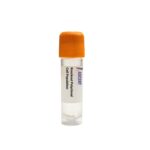
MAP3K20 Knockout Raji Polyclonal Cells represent a CRISPR/Cas9-edited polyclonal population of Raji B lymphocytes carrying targeted disruption of the MAP3K20 gene locus. This polyclonal knockout cell product provides a heterogeneous loss-of-function model, avoiding single-cell cloning bottlenecks while maintaining diverse genetic backgrounds. The cell population is designed for experiments in which population-level gene disruption enables robust interrogation of MAP3K20-dependent signaling, stress responses, and survival pathways in a lymphoma context. Without selection for a specific editing outcome, the pooled knockout cells preserve natural variation in background mutations and epigenetic states, making them a reproducible and statistically powerful tool for functional genomics and drug response profiling.
Raji is a well-characterized human B lymphocyte cell line originally derived from an Epstein-Barr virus (EBV)-positive Burkitt lymphoma. As an antibody-producing B-cell model, Raji cells constitutively express immunoglobulin and surface markers characteristic of mature B cells, and they serve as a widely used system for studying humoral immunity, B-cell receptor signaling, and oncogenic transformation. Their EBV latency makes them particularly relevant to investigations of viral lymphomagenesis and the interplay between host stress signaling and viral oncoproteins. The Raji background therefore offers a clinically pertinent platform to dissect kinase-driven survival mechanisms in aggressive B-cell malignancies.
The MAP3K20 gene encodes the serine/threonine kinase ZAK, a stress-activated mitogen-activated protein kinase kinase kinase (MAP3K) that functions as a key upstream activator of both the JNK and p38 MAPK pathways. Upon stimulation by diverse insults, including anisomycin, UV radiation, TNF-alpha, IL-1??, and DNA damage, MAP3K20 directly phosphorylates MAP2K4 and MAP2K7, leading to JNK activation, and phosphorylates MAP2K3 and MAP2K6, inducing p38 activation. Subsequently, JNK and p38 phosphorylate transcription factors such as c-Jun, ATF2, and p53, while MAP3K20 also contributes to NF-??B signaling through interactions with TRAF2 and RIPK1. This signaling network orchestrates apoptosis, inflammatory cytokine production, and cell cycle arrest in response to ribotoxic and genotoxic stress.
In Raji B cells, MAP3K20 is positioned at the nexus of stress-activated apoptotic and inflammatory programs that are frequently dysregulated in lymphomagenesis. Constitutive or aberrant JNK/p38 signaling can confer survival advantages or, conversely, sensitize cells to apoptotic stimuli, depending on context. Disruption of MAP3K20 in this EBV-positive Burkitt lymphoma model permits precise dissection of how stress kinase modules influence lymphoma cell viability, proliferation, and therapeutic response. It also allows exploration of cross-talk between MAP3K20-dependent pathways and viral latency programs, which may modulate tumor microenvironment interactions and immune evasion.
These polyclonal knockout cells are suitable for a broad range of applications, including Western blotting for phospho-JNK and phospho-p38, flow cytometry-based apoptosis assays (Annexin V/PI), RT-qPCR analysis of downstream target genes, and NF-??B/AP-1 dual luciferase reporter systems. They support co-immunoprecipitation experiments to map MAP3K20-containing complexes and cell viability screens with kinase inhibitors to identify synthetic lethal interactions. The model is ideal for functional genomics, drug sensitivity profiling, and mechanistic studies of stress signaling in B-cell lymphoma. For further information or custom requests, please contact Ascent Research.