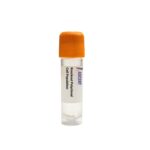
MAP3K4 Knockout Raji Polyclonal Cells are a CRISPR/Cas9?edited polyclonal knockout population derived from the Raji human Burkitt lymphoma B lymphoblast cell line. This product provides targeted disruption of MAP3K4 across the cell pool, yielding a heterogeneous loss?of?function model that captures population?level effects of MAP3K4 deficiency without clonal bias.
The parental Raji line is an Epstein?Barr virus (EBV)-positive B lymphoblast established from a Burkitt lymphoma patient. It grows in suspension and is extensively used to study B?cell biology, lymphomagenesis, and immune signaling. Its mature B?cell phenotype and expression of B?cell receptors make it ideal for examining pathways that control B?cell activation, proliferation, and apoptosis, including those regulated by JNK and p38 MAP kinases.
MAP3K4 (MEKK4) is a serine/threonine kinase that functions as a MAP3K upstream of the JNK and p38 MAPK cascades. It is activated by stress signals, inflammatory cytokines (e.g., TNF???, IL?1), and upstream kinases such as TAK1 (MAP3K7) and ASK1 (MAP3K5). Upon activation, MAP3K4 phosphorylates MKK4/7, which activate JNK1/2/3, and MKK3/6, which activate p38??/??/??/??. This leads to phosphorylation of transcription factors c?Jun and ATF2, driving gene expression programs linked to apoptosis, inflammation, and stress adaptation. Key protein interactions include TRAF2, GADD45, 14?3?3 proteins, ???arrestin, and HSP90, which finetune MAP3K4 signaling at the receptor?proximal level.
In B lymphoblasts, MAP3K4 integrates signals from tumor necrosis factor receptors and stress pathways to control JNK/p38?dependent responses. Dysregulation of these networks is implicated in Burkitt lymphoma, where aberrant survival signaling and apoptotic resistance promote malignancy. The Raji polyclonal MAP3K4 knockout model allows investigation of how MAP3K4 loss alters B?cell receptor signaling, cytokine responsiveness, and apoptotic thresholds in an EBV?positive background. This facilitates studies of cross?talk between viral latency programs and cellular stress pathways, potentially uncovering lymphoma?specific vulnerabilities.
Typical applications include functional dissection of JNK/p38 pathways in B?cell proliferation and apoptosis, drug target validation, and pooled CRISPR screens. Representative assays include immunoblotting for phospho?JNK and phospho?p38, flow cytometry (Annexin V) for apoptosis, and AP?1/NF???B reporter assays to measure transcriptional output. Co?immunoprecipitation can assess altered protein complexes in the knockout background. For technical inquiries and customization, contact Ascent Research.