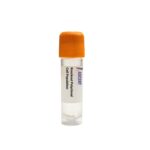
The MAP4K3 Knockout Raji Polyclonal Cells are a CRISPR/Cas9-edited polyclonal knockout cell population generated from the Raji B-lymphoblastoid cell line. This product provides a heterogeneous loss-of-function model for studying MAP4K3-dependent signaling pathways. The polyclonal format ensures robust representation of gene-disrupted cells for bulk functional assays, avoiding clonal selection biases. These cells are suitable for downstream applications in immunology and cancer research without the need for single-cell cloning.
The Raji host cell line is an Epstein-Barr virus (EBV)-positive Burkitt lymphoma model, derived from a B lymphocyte lineage. These suspension lymphoblastoid cells retain key characteristics of B-cell biology, including surface immunoglobulin expression and active B-cell receptor signaling. Raji cells are widely employed as a model for lymphomagenesis, enabling investigations into oncogenic signaling, apoptosis, and immune regulation. Their EBV-positive status adds complexity relevant to virus-host interactions in tumor biology.
MAP4K3 encodes a serine/threonine kinase that functions as a critical upstream activator of the stress-activated JNK and p38 MAPK cascades. In response to inflammatory cytokines such as TNF-alpha and IL-1, or cellular stress including reactive oxygen species, MAP4K3 phosphorylates MAP2K4 (MKK4) and MAP2K7 (MKK7) to drive JNK activation, and MAP2K3 (MKK3) and MAP2K6 (MKK6) to stimulate p38. Concurrently, MAP4K3 phosphorylates the scaffold protein LAMTOR1, facilitating mTORC1 lysosomal recruitment and activation. This dual signaling role positions MAP4K3 as an integrator of extrinsic stress and nutrient inputs, coordinating cell proliferation, apoptosis, and metabolic responses. MAP4K3 interacts with adaptor proteins such as TRAF2 and JNK-interacting proteins (JIPs), further scaffolding pathway assembly.
In the Raji cellular context, MAP4K3-mediated signaling intersects with B-cell receptor pathways and inflammatory networks implicated in Burkitt lymphoma pathogenesis. EBV infection in Raji cells modifies apoptotic thresholds and proliferation, processes in which MAP4K3-regulated JNK and mTORC1 activity may play decisive roles. Disruption of MAP4K3 in this lymphoma model enables dissection of how stress kinase and mTORC1 signaling contribute to B-cell transformation, chemoresistance, and survival. This knockout tool is particularly valuable for exploring the crosstalk between oncogenic virus-driven remodeling and host kinase cascades in lymphomagenesis.
Researchers can employ these polyclonal knockout cells to investigate B-cell receptor signaling dynamics, screen for modulators of JNK/p38 stress pathways, and validate MAP4K3 as a therapeutic target in B-cell malignancies. Representative experimental approaches include Western blotting for phospho-JNK, phospho-p38, and phospho-S6K; co-immunoprecipitation of MAP4K3 with LAMTOR1 or TRAF2; flow cytometry-based Annexin V apoptosis assays; mTORC1 activity assays; AP-1 luciferase reporter gene assays; RT-qPCR analysis of JNK target genes; and cell viability assays in combination with mTOR inhibitors. The polyclonal nature ensures robustness for population-level biochemical analyses. For technical inquiries and protocol support, please contact Ascent Research.