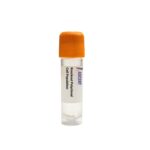
The MFF Knockout Raji Polyclonal Cells are a CRISPR/Cas9-edited polyclonal knockout cell population derived from the Raji B lymphocyte line. This product features disruption of the MFF gene across a heterogeneous cell pool, enabling loss-of-function studies without clonal biases. The knockout model is generated by CRISPR/Cas9-mediated gene targeting, providing a versatile tool for investigating mitochondrial dynamics and related pathways.
Raji cells are a human Burkitt’s lymphoma-derived B lymphocyte line, originally isolated from an EBV-positive Nigerian patient. These cells are widely used in lymphoma biology and immune signaling research due to their rapid growth and well-characterized signaling networks. The B lymphocyte context makes them ideal for studying processes such as humoral immunity and oncogenic transformation.
MFF (mitochondrial fission factor) is a key receptor for DRP1 at the mitochondrial outer membrane, driving mitochondrial and peroxisomal fission. MFF is activated by AMPK phosphorylation at Ser129 in response to metabolic stress, and it interacts with DRP1, MID49, and MID51 to assemble the fission machinery. This triggers mitochondrial fragmentation, cytochrome c release, and mitophagy, thereby regulating apoptosis and quality control.
In Raji lymphoma cells, MFF knockout disrupts DRP1 recruitment, leading to hyperfused mitochondrial networks that alter apoptotic sensitivity and mitophagic flux. This model allows researchers to dissect how mitochondrial fission impacts B lymphocyte survival, metabolic reprogramming, and therapeutic resistance. The polyclonal population provides a robust system for analyzing fission-dependent phenotypes in a hematological cancer background.
Applications include mitochondrial morphology analysis via MitoTracker imaging, western blotting for DRP1 recruitment, cytochrome c release and Annexin V/PI apoptosis assays, and mitophagy flux evaluation using LC3 colocalization. The model is also suitable for Seahorse metabolic profiling and screening for fission modulators in cancer metabolism and neurodegeneration research. For more information, contact Ascent Research.