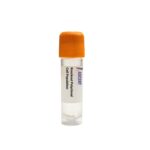
MGAT4B Knockout Raji Polyclonal Cells are a genetically modified cell population derived from the Raji B-cell line, engineered using CRISPR/Cas9 technology to disrupt the MGAT4B gene. This polyclonal knockout pool provides a heterogeneous loss-of-function model for investigating the role of the MGAT4B-encoded glycosyltransferase in B-cell biology. The edited population retains the fundamental characteristics of the parental Raji cells while exhibiting ablation of MGAT4B expression, enabling researchers to dissect the functional consequences of altered N-glycosylation in a lymphoma-relevant context.
The Raji cell line, originally established from a Burkitt’s lymphoma patient, is an Epstein-Barr virus (EBV)-positive suspension B lymphocyte model widely employed in immunology and oncology research. Its rapid proliferation and well-characterized B-cell receptor (BCR) signaling pathways make it an ideal host for studying glycosylation-dependent regulatory mechanisms in malignant B cells. Raji cells have been extensively used to investigate B-cell activation, differentiation, and apoptosis, providing a robust platform for functional genomics.
The MGAT4B gene encodes the glycosyltransferase GnT-IVb, which catalyzes the transfer of ??1,4-linked N-acetylglucosamine (GlcNAc) to the Man??1-3 arm of N-glycan cores, a key step in generating multiantennary complex glycans. This enzyme operates within the Golgi N-glycan biosynthesis pathway, interacting with other glycosyltransferases such as MGAT1, MGAT2, MGAT4A, MGAT5, FUT8, and ST6GAL1. MGAT4B activity is regulated by upstream signals including the cytokines IL-4 and IL-6, acting through STAT3 and NF-??B, and is influenced by the unfolded protein response. Knockout of MGAT4B eliminates GnT-IVb function, leading to reduced ??1,4-GlcNAc branching on glycoprotein substrates. This disruption primarily affects the glycosylation of downstream targets including cell surface receptors, integrins, B-cell receptor components, and cytokine receptors, thereby potentially modulating signaling pathways that control B-cell proliferation and survival.
In Raji B lymphoma cells, the loss of MGAT4B-driven glycan branching perturbs the glycosylation of key surface molecules involved in BCR signal transduction and interactions with the microenvironment. Altered glycan structures may influence receptor clustering, ligand sensitivity, and downstream effector activation, providing a powerful model to study how specific N-glycosylation patterns contribute to lymphomagenesis, drug resistance, and immune evasion. This system enables the dissection of glycosylation-dependent mechanisms that sustain malignant B-cell phenotypes.
Typical applications include lectin blotting with L-PHA for global N-glycan profiling, lectin-based flow cytometry to track cell surface glycosylation changes, and mass spectrometry glycomics for detailed structural analysis. BCR signaling outcomes can be monitored via phospho-flow cytometry, while proliferation and apoptosis assays reveal functional consequences of MGAT4B loss. The polyclonal nature preserves population-level heterogeneity, making it suitable for bulk screening of glycan-targeted compounds and for identifying MGAT4B-specific substrates. For technical inquiries, please contact Ascent Research.